
At TheHealthBoard, we're committed to delivering accurate, trustworthy information. Our expert-authored content is rigorously fact-checked and sourced from credible authorities. Discover how we uphold the highest standards in providing you with reliable knowledge.
What does the Pancreas do?
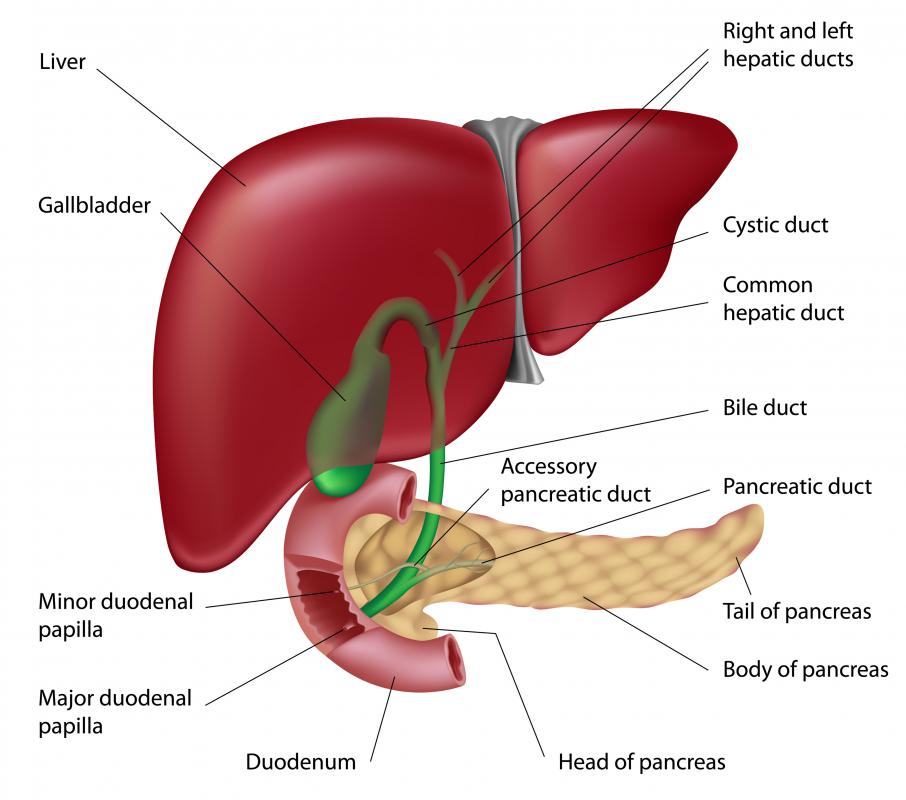
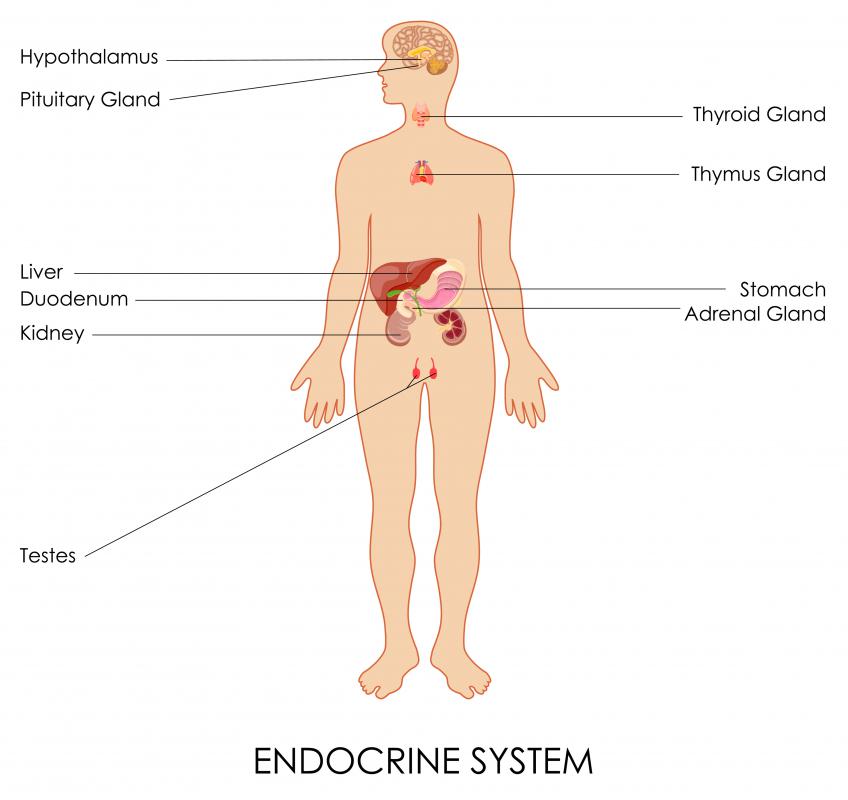
The pancreas produces chemicals that are crucial for blood sugar regulation and proper digestion. It is an abdominal gland, and is situated in the abdominal cavity, behind the stomach, close to the duodenum with its head pointed toward the small intestine. Both the exocrine and endocrine systems utilize this organ. Our body's endocrine system regulates hormones and other substances through its direct access to the bloodstream, cells, and organs. The exocrine system works via ducts to digest food in the intestinal tract.
Regulates Blood Sugar

Important hormones secreted by the pancreas include insulin and glucagons, which maintain the appropriate levels of sugar throughout the body and are vital for the endocrine system to function correctly. The parts of the pancreas responsible for the production of hormones are called the Islets of Langerhans, which are small clusters of cells separated from the exocrine functions of food digestion.

When unprocessed sugar needs to be converted into the kind of energy that cells use, it travels to the liver; once in the liver, glucagon breaks down the glycogen variety of sugar and releases its components into the blood. Insulin then appears at the site of cells to help them easily absorb the sugar. This is the process that maintains a non-diabetic's blood sugar at healthy levels.
Aids in Proper Digestion

In its second function, the pancreas creates digestive juices as a member of the exocrine system. These fluids must break down nutrients that the stomach's acids weren't effective at metabolizing. Since the pancreas is so close to the small intestine, there are many ducts streaming from its head to carry the enzymes to the duodenum, which is the beginning of the small intestine.

The juices start out alkaline in the pancreas, but when they meet substances bathed in stomach acid in the duodenum, they become acidic. These enzymes include lipase, which digests fat, trypsin, or protein, and one that works on carbohydrates, amylase. The resulting nutrients can be distributed further down the small intestine.
Common Pancreatic Diseases

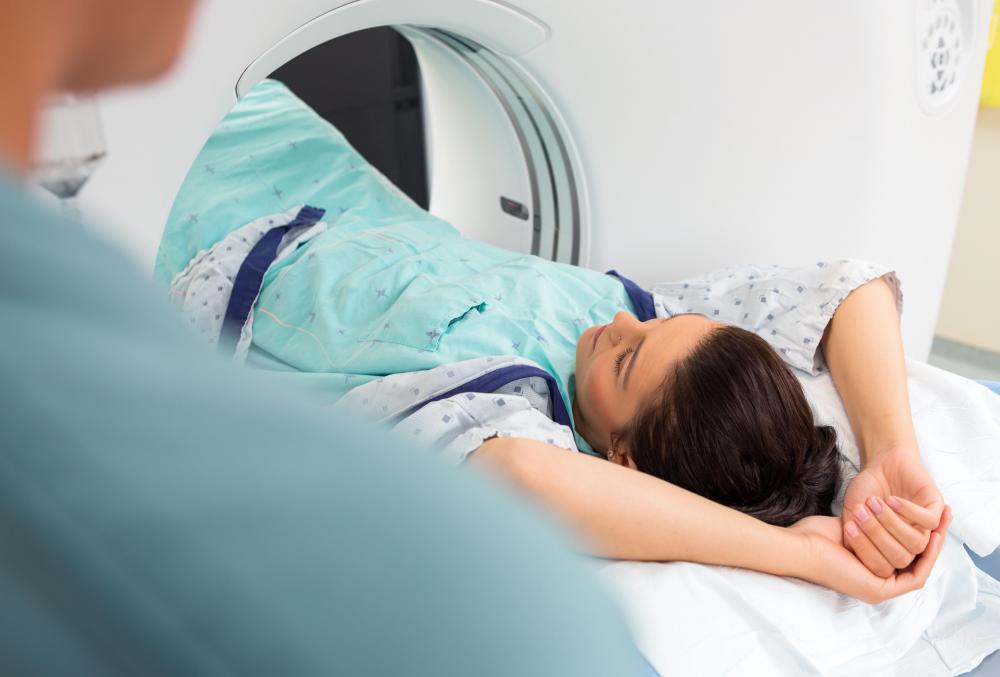
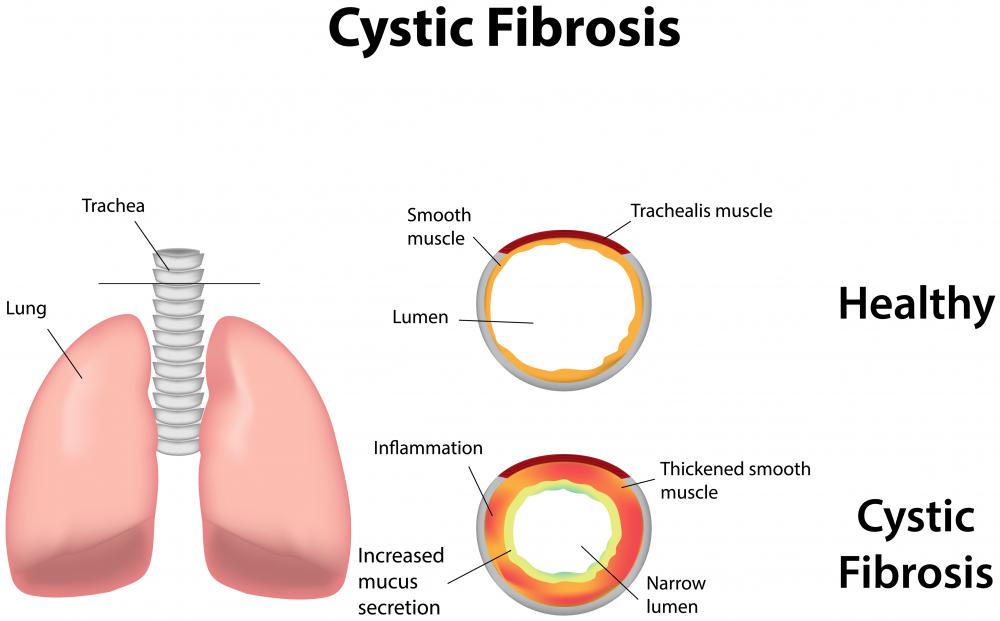
Diseases associated with the pancreas include diabetes, pancreatic cancer, pancreatitis, and cystic fibrosis, among many others. Diabetes can also become a problem when the pancreas is not functioning properly. Any interference with insulin or enzyme levels can wreak havoc on a person's health, whether it is due to genes or diet. Many pancreatic diseases can be diagnosed using computerized tomography (CT scan), magnetic resonance imaging (MRI), and high-resolution ultrasounds; sometimes surgery may be performed to treat the disease.
AS FEATURED ON:
AS FEATURED ON:


-
![The pancreas along with the liver and gallbladder.]()
The pancreas along with the liver and gallbladder. -
![An MRI might be needed to confirm a diagnosis of common pancreatic diseases.]() By: Mikhail KondrashovAn MRI might be needed to confirm a diagnosis of common pancreatic diseases.
By: Mikhail KondrashovAn MRI might be needed to confirm a diagnosis of common pancreatic diseases. -
![Doctors will often use imaging tests, such as CT scans, to diagnose pancreatic problems.]() By: Tyler OlsonDoctors will often use imaging tests, such as CT scans, to diagnose pancreatic problems.
By: Tyler OlsonDoctors will often use imaging tests, such as CT scans, to diagnose pancreatic problems. -
![The pancreas gland aids in digestion and produces insulin.]() By: pixdesign123The pancreas gland aids in digestion and produces insulin.
By: pixdesign123The pancreas gland aids in digestion and produces insulin. -
![The endocrine system utilizes the pancreas to help regulate hormones.]() By: stockshoppeThe endocrine system utilizes the pancreas to help regulate hormones.
By: stockshoppeThe endocrine system utilizes the pancreas to help regulate hormones. -
![A swollen pancreas can be caused by cystic fibrosis.]() By: joshyaA swollen pancreas can be caused by cystic fibrosis.
By: joshyaA swollen pancreas can be caused by cystic fibrosis. -
![A pancreas that is not performing correctly may cause bloating and watery stools.]() By: inesbazdarA pancreas that is not performing correctly may cause bloating and watery stools.
By: inesbazdarA pancreas that is not performing correctly may cause bloating and watery stools.



Discussion Comments
What role does bicarbonate released by the pancreas do? Is it the alkaline juices that carry the enzymes to the duodenum that are bicarbonate? If so, what's the point if they then turn acidic upon arrival?
@3/anon18582. Sorry about your dad. By the way, God bless his soul.
as a response to post #8, in digestion, the pancreas pretty much helps the stomach.
the pancreas makes these little juices full of enzymes. although the liver actually produces glycogen, insulin, etc., it sends it on over to the pancreas, which stores it then uses it to break down sugars. the sugars, proteins, fats, and carbohydrates(from your food) then go into the blood, and the rest of the body, or wherever they belong.
these sugars keep your insanely awesome mitochondria going. i hope that was a little helpful. i don't know any super smart pancreatic lingo or anything, and that was a "me-paraphrased" description.
Can anyone tell me what the role of the pancreas is during digestion? Thanks.
My Mother died from pancreatic cancer. Amazingly the only complaint she had was back ache and so it went unnoticed until she had reached stage IV and by that time it was too late. My advice to anyone who suffers a back pain directly behind the stomach should go see a doctor immediately. God bless.
My name is Linda, and i have the same problem. I would say that you should wait, just in case you have any more things and you haven't got the symptoms yet. I wouldn't like you to go on a trip and get even more sick than you are now. Thank you, and have a *great* day.
I am a 44 year old woman, who had breast cancer in 1997. since then have have had several problems with anemia and valves in the gullet that didn't work. Over the last 18 months I have been taking iron tablets and had serveral proceedures to find the problem. My last one was a CT Contrast scan. This as show that I now have a hernia and that the pancreas is not functioning properly. That is all I have been told. I am currently awaiting a follow up appointment, but do not know when this will be. any suggestions.
My Dad is 69 and he was sharpening a knife on a fly wheel and it went through his stomach and cut a piece of his Pancreas. It has been touch and go for a couple of weeks but they sent him home with feeding tubes in the small intestines and colon no food to the stomach. My mother tells me the enzymes are still increasing and that is not good. Really what does that mean I don't understand numbers and where they should be, how bad is bad?
That sounds like a textbook reaction to Crestor. Crestor is a "statin" which can cause muscle cramping and elevated liver enzymes in some people. You may or may need a med for your cholesterol... but you can try other statins, there may be one that you do not react to. If your doctor is ignoring your complaints, get a copy of your medical records and go see someone else!
I am a 61 year old woman who had a (probably stress induced) heart attack eight months ago. Luckily it occurred in hospital and, because of immediate treatment, it is believed that I suffered little damage. I have a stent in the right conary artery. I am presently on several drugs: Crestor, coated Aspirin, Prevacid, Metoprolol, Altace, Plavix and Imovane. I have been increasing my heart healthy exercise to the point where I can do 80 minute bike rides or two hour walks with no ill effects and a relatively low heart rate (compared to when I first started excercising). My first follow-up appointment was at the seven month mark, with blood tests. My cholesterol is at 2.7 which I am told is very low and a good reading, but there are slight elevations in glucose and a liver enzyme. I have experienced frequent but mild muscle weakness which seems to be increasing and two major attacks after some extended exercise, in both arms on one occasion in November, and recently in both thighs after climbing stairs. I will add that my heart function seems to be very good and I am worried that I am reacting adversely to Crestor and or another of my medications. My doctor does not seem to share my concern and has not ordered follow-up bloodwork to confirm the results or to see if those levels decrease or increase. I am waiting for a call from an internist and am afraid that the call may come too late to see him before a planned trip in May. Is it dangerous for me to wait until June for any follow-up and change in my dosages of these medications?
Post your comments