
At TheHealthBoard, we're committed to delivering accurate, trustworthy information. Our expert-authored content is rigorously fact-checked and sourced from credible authorities. Discover how we uphold the highest standards in providing you with reliable knowledge.
What Is Diabetes?
Diabetes is a condition in which the body fails to make or properly use insulin. Insulin is a hormone the body uses to convert starches, sugar, and other food products into energy for the body to use to allow it to function properly. The four major types of diabetes are Type 1, Type 2, gestational, and pre-diabetes.
World-wide, diabetes affects huge numbers of people. In the United States alone, over 6% of the population — roughly 18 million people — are diabetic. While the exact causes remain a mystery, researchers have discovered certain symptoms. These symptoms include extreme thirst and hunger, frequent urination, blurred vision, weight loss, fatigue, and irritability.

For people with Type 1 diabetes, insulin must be taken every day. A diabetic will generally administer the insulin shot using a syringe or have someone else administer the shot for him. This type is more common in Caucasians and in people who live in colder climates.
Type 2 diabetes can often be controlled by monitoring the food one eats and by partaking in regular physical exercise. Some Type 2 diabetics may also need to take insulin shots or pills to regulate their blood sugar levels. Obesity is a major factor in developing this form. If a person has an unhealthy diet of fatty food and exercises infrequently, he or she may be walking a path that will lead directly to this disease.
If you have a family member with diabetes, or if you are worried about becoming diabetic, consulting with a diabetic nutritionist is a great next step to take on your health journey.

Pregnant women who become diabetic during their pregnancy have what is called gestational diabetes. This form of the disease affects approximately 4% of all pregnant women in the United States. Women who become diabetics during their pregnancy are likely to have a family history of the condition. Obesity again may play a factor.
Pre-diabetes is simply a term for an individual who has blood glucose levels higher than normal. People with this condition are not quite at diabetic levels, but are more likely to develop the disease.

Though children of diabetics will not necessarily inherit the disease from their parents, research has shown that these children are more likely to get it than children of non-diabetics. Type 1 is also less common in people who were breastfed as infants.
Diabetes is a serious disease which can lead to heart problems, strokes, loss of limbs due to poor circulation, and death. Research continues to indicate that regular exercise and a healthy diet are two factors which can help people avoid this condition, as well as allow diabetics to have functional lives. Anyone who experiences some of the symptoms of diabetes should seek the advice of a medical professional. Unfortunately, millions of people across the globe have the disease, but it goes undetected because they ignore the symptoms and do not seek medical attention.

Diabetes is a complex condition that requires careful management of blood sugar levels to prevent long-term health complications. Incorporating a balanced diet, regular exercise, and monitoring glucose levels are essential steps in managing this chronic illness. For those looking to enhance their nutritional intake, adding the best greens powder to a daily routine can provide a convenient boost of vitamins and minerals that support overall health. By understanding the types of diabetes and adopting a proactive approach to treatment and lifestyle choices, individuals can lead healthier lives and mitigate the risks associated with this condition.
AS FEATURED ON:
AS FEATURED ON:


-
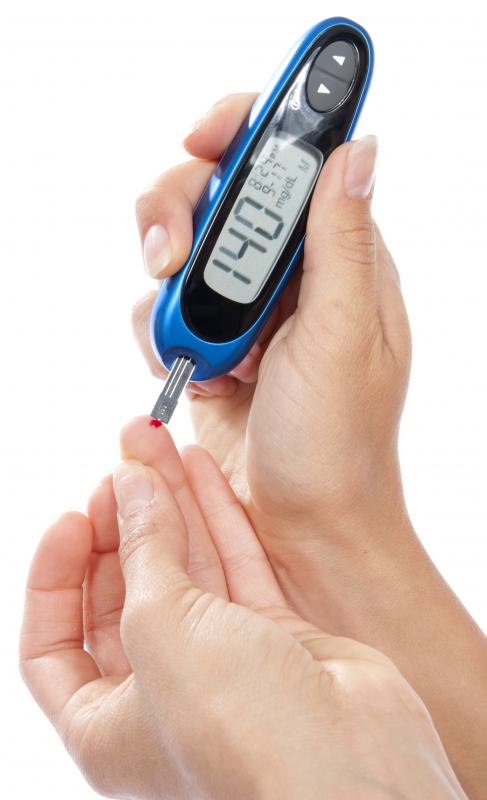
![A person with diabetes checking her blood glucose levels.]()
A person with diabetes checking her blood glucose levels. -
![People with Type 1 diabetes take insulin every day.]() By: Alila Medical MediaPeople with Type 1 diabetes take insulin every day.
By: Alila Medical MediaPeople with Type 1 diabetes take insulin every day. -
![Pregnant women can develop gestational diabetes.]() By: yanlevPregnant women can develop gestational diabetes.
By: yanlevPregnant women can develop gestational diabetes. -
![Obesity is a risk factor for type 2 diabetes.]() By: bacalaoObesity is a risk factor for type 2 diabetes.
By: bacalaoObesity is a risk factor for type 2 diabetes. -
![Diabetics require insulin to process starches and sugar into energy.]() By: alexvavDiabetics require insulin to process starches and sugar into energy.
By: alexvavDiabetics require insulin to process starches and sugar into energy. -
![Diabetics need to have their blood checked regularly for various conditions like high cholesterol.]() By: Wojciech SobiechDiabetics need to have their blood checked regularly for various conditions like high cholesterol.
By: Wojciech SobiechDiabetics need to have their blood checked regularly for various conditions like high cholesterol. -
![Excessive fluid consumption is one symptom of diabetes.]() By: Andrey KuzminExcessive fluid consumption is one symptom of diabetes.
By: Andrey KuzminExcessive fluid consumption is one symptom of diabetes. -
![Type 1 diabetics do not produce insulin, so they must rely on a pump or regular injections.]() By: hilleborgType 1 diabetics do not produce insulin, so they must rely on a pump or regular injections.
By: hilleborgType 1 diabetics do not produce insulin, so they must rely on a pump or regular injections.





Discussion Comments
@feruze-- I'm sorry to hear about your diagnosis.
I'm not an expert but I have many family members with type two diabetes. I'll try to explain it the way I've understood the disease. In type two diabetes, the body produces enough insulin but the insulin is malformed. This prevents the glucose in the blood from attaching to the insulin. This is called insulin resistance. It means that the number of glucose molecules in the bloodstream keep increasing.
When you get diabetes testing, also called a glucose tolerance test and glucose levels are elevated, it shows that the insulin is not working properly. The medication you take works by fixing the shape of the insulin so that the glucose molecules attach to it. It's actually very simple.
There are other types of type two diabetes that are more rare. They may involve both insulin resistance and lack of insulin.
I have just been diagnosed with diabetes mellitus, type 2 diabetes. I honestly don't understand this disease. I know that my body produces enough insulin. Tests showed that I have enough insulin in my blood. So how is it that I have diabetes?
My doctor also prescribed a tablet medication called metformin. How does this medication treat my condition?
@anon38079-- As the moderator said, that's not possible. Something else I want to mention is that most of the time, hospitals will not take blood from diabetes patients. But if the blood group is rare, then they will take it. It's also better to take blood from a type 2 diabetic than a type 1 diabetic.
Anon79927: A glucometer is a home blood glucose monitor. It is a small machine you can use at home to check your blood glucose levels. It uses strips that take a drop of blood, and through various ways, gives you a measurement of your blood glucose level.
Many different companies make glucose meters. Some of the more well-known ones are: Accu-Chek, Freestyle, One Touch and Bayer Contour.
Your doctor probably has a closet full of meters. The meters are inexpensive. They get you on the strips, which are very expensive. However, your insurance may cover the costs of glucose strips, if you have a prescription from your doctor.
Checking your blood sugar several times a day is the front line, first strike weapon in controlling diabetes.
what is a glucometer and the different types?
Does septicemia have a direct/indirect link with renal failure and/or diabetes? My understanding is that the link between septicemia and diabetes is the fact that diabetics with wounds tend to take longer to heal their wounds and are therfore more prone to infection. Can anyone advise me about septecemia and its direct/indirect connection with renal failure.
if blood is donated by a diabetic patient does that make me a victim of the disease too?
how does a glucometer and a insulin pump impact a persons health that has diabetes?
Post your comments