
At TheHealthBoard, we're committed to delivering accurate, trustworthy information. Our expert-authored content is rigorously fact-checked and sourced from credible authorities. Discover how we uphold the highest standards in providing you with reliable knowledge.
What Are Carbohydrates?
Carbohydrates, or saccharides, are sugars and starches, which provide energy for humans and animals, and cellulose which make up many plant structures. “Carbs,” as they are now commonly referred to, have become both a blessing and a curse, as the process of modern food production has changed the way they are consumed. There are two types of carbohydrates, simple, or monosaccharides and complex, or polysaccharides.
Types of Carbs

Found in fruits and dairy products, simple carbohydrates are more easily digested by the body. The body breaks down simple carbs to be used for energy, which is used up very quickly. They are also often found in processed, refined foods such as white sugar, pastas, and white bread.
Another type of carb, called complex carbohydrates, take longer for the body to digest and are most commonly found in vegetables (cellulose), whole grain breads and pasta, brown rice, and legumes. Foods with unrefined grains, such as brown rice, retain complex carbs, unlike refined grains, such as white rice. This is because the refining process removes some of the grain’s fiber and nutrients. Eating a serving of whole grain cereal such as oatmeal will fill you up and give you longer lasting energy than a bowl of sugary cereal due to the way the body processes and uses the carbohydrates.
How Carbs Are Processed

The liver digests carbohydrates by breaking them down into simple sugars, or glucose, which stimulates the production of insulin in the pancreas. The insulin functions to get the sugar into the body’s cells to be used as energy. The two different types of carbs affect the production of insulin differently—when digesting simple carbohydrates, insulin levels spike faster, and the carbs are used up more quickly for energy. This explains why many who turn to a candy bar for a quick supply of energy find that their energy levels crash when the “sugar high” comes to an end. Complex carbohydrates take longer to digest, resulting in longer lasting energy, and less of an insulin reaction in the body.

If the body produces too much glucose, it will be stored in the liver and muscle cells as glycogen, to be used for when the body needs an extra burst of energy. Any leftover glycogen that isn't stored in liver and muscle cells is stored as fat. The body uses the immediate store of glycogen for short bursts of exercise. For extended periods of exercise such as long distance running and more strenuous workouts, the body will turn to its fat reserve to draw extra energy.
Eating Carbs

A certain amount of carbs is needed to function properly, and insufficient intake may cause fatigue, muscle cramps, and poor mental function. Although carbs are an important part of our diet, the body can produce energy from fat and proteins alone; while this may do for short periods of time, avoiding all carbs will adversely affect the body. Many low-carb diets have been touted as healthy, but if taken to the extreme, they can be very dangerous to a one’s overall well-being. Eating moderate amounts of the right type of carbs to keeps the body fueled properly.

The recommendation of the Institute of Medicine suggests that 40-65% of an adult’s “dietary energy” should come from carbs, while the World Health Organization (WHO) recommends 55-75%. The WHO also recommends that no more than 10% of carbohydrate consumption come from simple carbs.
Carbohydrates play a pivotal role in maintaining a balanced diet and providing the body with necessary energy. While they are found in a variety of foods, it's important to choose complex carbs such as whole grains, fruits, and vegetables for optimal health benefits. For those looking to enhance their intake of nutrient-rich vegetables, incorporating the best greens supplement can be an effective way to ensure one's diet is well-rounded. By understanding the types of carbohydrates and their impact on health, individuals can make informed choices to support their overall well-being.
AS FEATURED ON:
AS FEATURED ON:


-
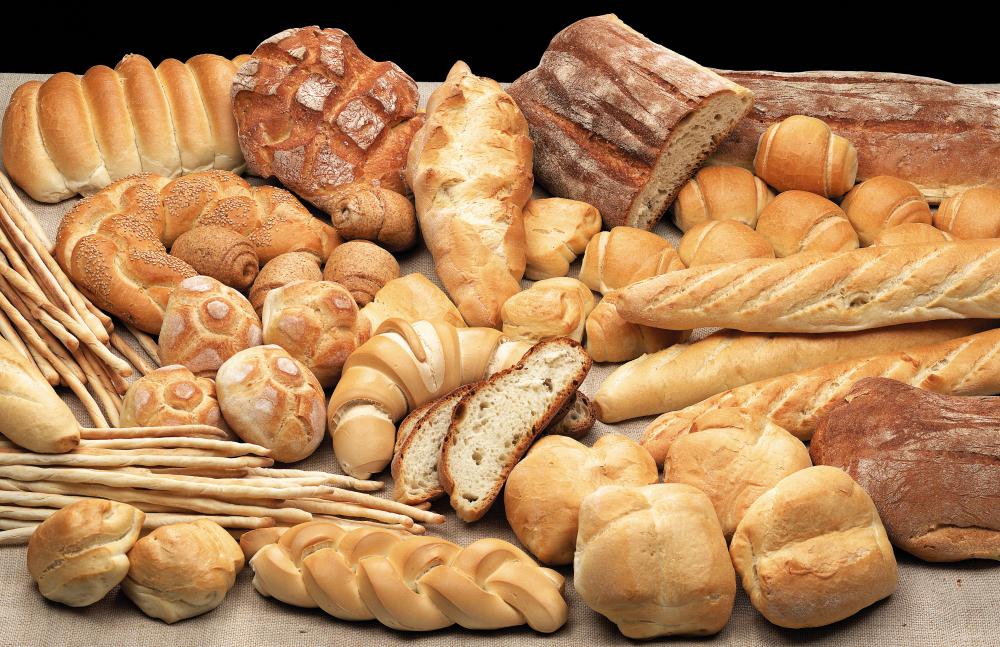
![Antipasti is often accompanied by bread.]()
Antipasti is often accompanied by bread. -
![Candy contains simple carbohydrates.]() By: Bert FolsomCandy contains simple carbohydrates.
By: Bert FolsomCandy contains simple carbohydrates. -
![Pasta is typically high in complex carbohydrates.]() By: Francesco83Pasta is typically high in complex carbohydrates.
By: Francesco83Pasta is typically high in complex carbohydrates. -
![Oatmeal cookies and other snacks are often high in carbohydrates.]() By: sassyphotosOatmeal cookies and other snacks are often high in carbohydrates.
By: sassyphotosOatmeal cookies and other snacks are often high in carbohydrates. -
![White rice is high in simple carbohydrates.]() By: womueWhite rice is high in simple carbohydrates.
By: womueWhite rice is high in simple carbohydrates. -
![Potatoes are high in carbohydrates.]() By: Picture PartnersPotatoes are high in carbohydrates.
By: Picture PartnersPotatoes are high in carbohydrates. -
![Pizza is considered a high-carbohydrate food.]() By: sherstobitovPizza is considered a high-carbohydrate food.
By: sherstobitovPizza is considered a high-carbohydrate food.





Discussion Comments
What foods are carbs, the good and the bad?
Please tell me Indian foods that are good for diabetes.
The liver is capable of converting fat into glucose, so the body does not need carbohydrates for energy. When one consumes carbs for energy, any fat they consume is stored. Why not use fat for the energy source that it is, rather than store it and take in some other energy source that offers nothing that cannot be obtained in greater quantity from vegetables?
"carbs" are basically just sugars, starch and fiber.
Carbs are broken down in the small intestine, not the liver.
Hydrocarbons are typically oils and linear in structure. Carbohydrates are typically solids and have structures that are ring-like in the monomers. Wikipedia is a great place to resolve these questions
I'm trying to grasp what they mean by "other carbohydrates" myself. I am guessing they mean starches/complex carbohydrates. The starches can be broken down to their monomer constituents and add to sugar levels. How much break down takes place will depend on the starch I suppose.
If dairy products are so easy to digest, I'm thinking of milk and cheese in particular, why does my stomach feel full after drinking-eating them?
When I was a kid I would start drinking my milk before I ate a meal and before I knew it I was full before I even ate much of my food. I know that it's the fat in cheese that slows down digestion and I suspect that either the fat or if low or non fat milk is consumed - the lactose - is what makes milk so filling and not easily digestible.
what is the difference between hydrocarbons and carbohydrates?
Could you please help me with a research project on nutrients?
wow a simple answer to a question most people don't explain well, thank you. i now have a better understanding of carbs. here is to losing weight.
thank you for the help. I really needed it for work.
thanks for the help =]
What is the difference between hydrocarbons and carbohydrates?
I used to weight 115 till about 4 years ago and now i'm 160. i dunno how it happened and i'm truly desperate, but i don't want to take the "lose weight pills" because i have gastritis, and till about 7 months ago i was puking everything that i put in my mouth. sometimes i could not even chew, like white bread it was gross to me and in the middle of my sickness i gained weight and now that I'm better i can't seem to stop getting bigger! i was used to eating anything i wanted and never gained any weight and then i got sick and i gained all this weight and i had to change my eating habits! it's overwhelming, really. anyway i need a plan and i have no idea where to begin.... *help*!!
hey thanks! this was very helpful info, because of this info i got an a plus for my assignment!
Something that i have learned today is that dairy products can be easily digested through the body which i thought is a very good thing to keep in mind.
Commendable, not only this article but the entire efforts and impulses to enrich the society with all that may help it in one way or the other with no harm in any way.(Dr.Badruddin Khan)
k, so i was wondering, when they say stuff about the 40-65% part, what does that mean?
Most products list carbohydrate content as sugars and fiber, some list whether the fiber is soluble and insoluble. I have notice some products list “other carbohydrate” with these other breakdowns, what is this “other carb” and what role does it play regarding energy, fat storage, and diet? Should I target low gram counts on this like I do with sugar?
Post your comments