
At TheHealthBoard, we're committed to delivering accurate, trustworthy information. Our expert-authored content is rigorously fact-checked and sourced from credible authorities. Discover how we uphold the highest standards in providing you with reliable knowledge.
What is the Endocrine System?
The endocrine system is a collection of glands and organs that produce and regulate hormones in the bloodstream to control many functions of the body. This system overlaps with the nervous system and exocrine system, and its responsibilities include metabolism, growth and sexual development. Most animals that have advanced physiology, such as vertebrates and crustaceans, have an endocrine system.
Glands

The major glands of the endocrine system are the pituitary gland, hypothalmus and pineal gland in the brain; the thyroid and parathyroids in the neck; the thymus, adrenal glands and pancreas in the abdomen; and the gonads — either ovaries or testes — in the lower abdomen. To a lesser degree, organs such as the heart, lungs and stomach are involved in hormone management. The glands of a person's endocrine system control many things, such as when he or she falls asleep and when the person reaches his or her adult height.
Hormones

Hormones that are made in the body's glands work like messages. Just like with other types of communication, the proper message must reach its intended destination to be effective. For this reason, certain hormones are designed to end up only at certain cells, called target cells.
After the hormone reaches the correct cell, it links to a receptor spot, which informs the cell what to do next. For example, it might be told to start making energy out of sugar or to trigger ovulation. The hormone won't interfere with a non-target cell, however, and the target cell won't react to any chemical other than its special hormone. As of early 2012, scientists did not completely understand the roles of all hormones, but they did know that hormones are important for maintaining homeostasis — a healthy balanced state within the body.

The hormones produced by these glands are far too numerous and complicated to list. For example, the pituitary gland is often called the master gland because it controls the functioning of other members of the endocrine system. Pineal glands makes melatonin, which regulates people's sleeping cycles. The pancreas produces insulin, which controls how much sugar is kept circulating in the bloodstream.
Regulating Cycles

The endocrine system can be thought of as the system that determines the cycles of the body, such as reproductive cycles, sleep cycles and nutrition cycles. People don't need to eat at perfectly spaced intervals to have a constant supply of energy, nor do they have the same fertility levels throughout their lives. The endocrine system regulates these cycles to ensure that the body has the appropriate amount of energy and the proper fertility levels. It also is responsible for long-term development such as bone growth and short-term cycle stages such as hunger.
AS FEATURED ON:
AS FEATURED ON:


-
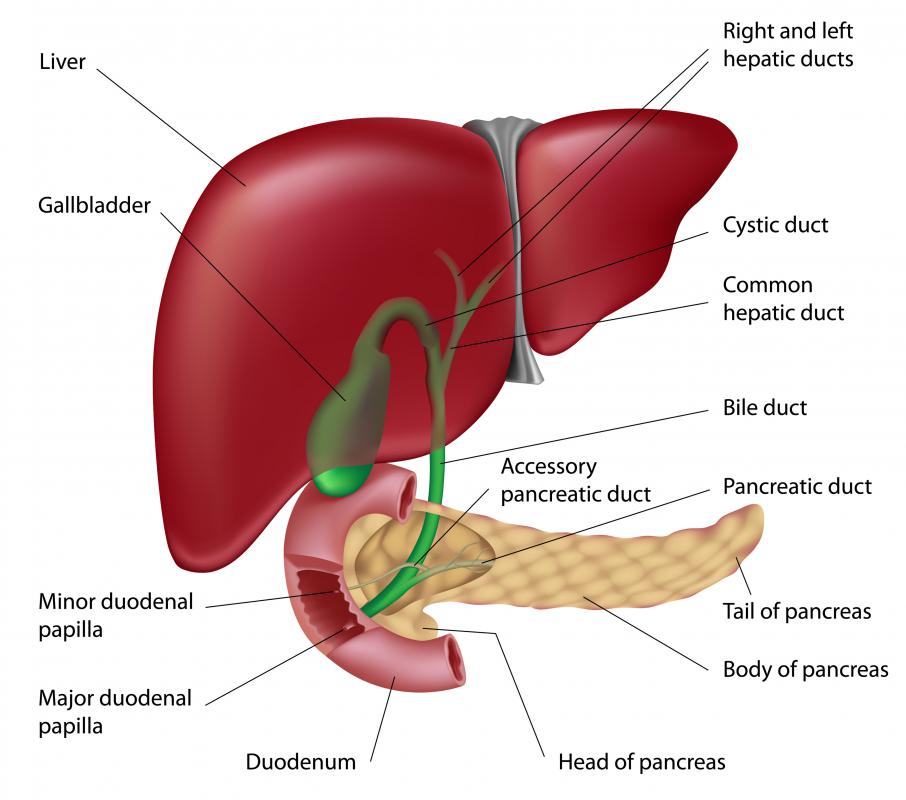
![Several abdominal organs, including the pancreas, which produced insulin.]()
Several abdominal organs, including the pancreas, which produced insulin. -
![The pineal gland secretes melatonin, which promotes sleep.]() By: AriwasabiThe pineal gland secretes melatonin, which promotes sleep.
By: AriwasabiThe pineal gland secretes melatonin, which promotes sleep. -
![The endocrine system is responsible for producing and regulating hormones in the bloodstream to control bodily functions.]() By: Alila Medical MediaThe endocrine system is responsible for producing and regulating hormones in the bloodstream to control bodily functions.
By: Alila Medical MediaThe endocrine system is responsible for producing and regulating hormones in the bloodstream to control bodily functions. -
![The pancreas gland, which aids in digestion and produces insulin, is included in the endocrine system.]() By: pixdesign123The pancreas gland, which aids in digestion and produces insulin, is included in the endocrine system.
By: pixdesign123The pancreas gland, which aids in digestion and produces insulin, is included in the endocrine system. -
![The endocrine system is responsible for short-term cycles like hunger.]() By: Dragos IliescuThe endocrine system is responsible for short-term cycles like hunger.
By: Dragos IliescuThe endocrine system is responsible for short-term cycles like hunger. -
![The thyroid gland in the neck is part of the endocrine system.]() By: nerthuzThe thyroid gland in the neck is part of the endocrine system.
By: nerthuzThe thyroid gland in the neck is part of the endocrine system. -
![The body's two adrenal glands -- part of the endocrine system -- release hormones that help regulate metabolism, physical development and stress.]() By: Sebastian KaulitzkiThe body's two adrenal glands -- part of the endocrine system -- release hormones that help regulate metabolism, physical development and stress.
By: Sebastian KaulitzkiThe body's two adrenal glands -- part of the endocrine system -- release hormones that help regulate metabolism, physical development and stress.


Discussion Comments
What is the relationship between temperature regulation and the endocrine system?
And then there are masked thyroid problems. I have severe hypothyroidism that went undetected because my pituitary gland so severely amped up its production of Thyroid Stimulant Hormone (TSH).
For years, around my cycle, I would break out in huge painful sores that were a result of the over abundant oil and sweat secretion. I would also suffer horrible insomnia, sometimes unable to fall asleep for three to five days at a time. My moods shifted every five minutes, I had memory problems and body odor.
The symptoms are unending and constantly increasing in severity, but my thyroid panel always looked normal, until they broadened it and checked my TSH level. Normally, a person has a TSH level of .3-.9 but mine was 247! Now after proper medication, all is well.
@googie98: On the other end of the spectrum, there is hyperthyroidism. It can often be difficult to diagnose because it can mimic other health problems.
Some of the symptoms of hyperthyroidism are weight loss, sweating, rapid heartbeat, increased sensitivity to heat, change in your bowel patterns, nervousness, increased appetite, an enlarged thyroid gland (which can appear as a swelling at the base of your neck), fatigue, and difficulty sleeping.
@googie98: There are different kinds of thyroid problems out there. I have hypothyroidism so I will share with you some of the symptoms of that.
The s/s can vary greatly depending on the severity of the hormone deficiency. The problems usually develop slowly.
Initially, you may notice fatigue or decrease in energy. Some of the other signs and symptoms include increased sensitivity to cold, pale skin, constipation, puffiness in the face, elevation in your cholesterol level, weight gain, muscle aches or weakness, and depression.
If you display any of those symptoms, you should see your doctor and have some tests done.
My sister thinks that she might have thyroid problems. Does anyone know the signs or symptoms of thyroid trouble?
Post your comments