
At InfoBloom, we're committed to delivering accurate, trustworthy information. Our expert-authored content is rigorously fact-checked and sourced from credible authorities. Discover how we uphold the highest standards in providing you with reliable knowledge.
What is Sukkot?
 Tricia Christensen
Tricia Christensen
Tricia Christensen
Sukkot is a seven-day Jewish festival, which begins on the fifth day following Yom Kippur. It marks the harvest, and commemorates the forty years of exile the Jews had after escaping from Egypt. There are several different names for the holiday. It can be called the Day of Booths, or the Feast of the Tabernacles. It also may be termed The Days of our Rejoicing. Ashkenazi Jews often pronounce the holiday as Sukkos.
The meaning of a booth is tied to the definition of sukkot. Essentially a sukkah is a temporary structure for housing. These structures are meant to be symbolic of the temporary huts the Israelites lived in while in exile.

Jews are commanded to spend as much time in their sukkahs as possible. They may effectively live in their sukkah during the holiday — meaning eat, sleep and just hang out — or they may only eat their meals there and otherwise live in their homes. Jews that don't observe this holiday and its associated commandments, however, like most Reform Jews in the US, do not build these structures. Reform children, however, may build little, symbolic structures from popsicle sticks instead.

There are specific requirements for the construction of a sukkah. It must have at least two walls — though it usually has four — and it must have some kind of covering (sechach) that once came from the ground. Palm branches are often used for the covering of sukkot. In addition, that covering must not totally block out the rain. As a result, people may leave the sukkah if the elements are bad.
It is customary for Jews to decorate their sukkot as well. Common decorations include hanging vegetables, and children's artwork.

Jews often travel during Sukkot as a symbolic gesture towards the wandering of their ancestors. Jews will often visit families or friends in the evening and eat special meals together. Some use the Sukkot as a time to make a pilgrimage to Jerusalem, or simply to take a special family trip.
During Sukkot services in an Orthodox synagogue, the ceremony will usually include the use of "four species," also referred to as the luvav and the etrog. These plants are identified in a passage in Leviticus in the Torah and consist of the luvav — one palm branch, two willow branches, three myrtle branches — and an etrog, which is something like a lemon. The branches are woven together and are held in the right hand, and the etrog — pronounced esrog by Ashkenazim — is held in the left hand.
Tricia Christensen
Tricia has a Literature degree from Sonoma State University and has been a frequent InfoBloom contributor for many years. She is especially passionate about reading and writing, although her other interests include medicine, art, film, history, politics, ethics, and religion. Tricia lives in Northern California and is currently working on her first novel.
Learn more...
Tricia Christensen
Tricia has a Literature degree from Sonoma State University and has been a frequent InfoBloom contributor for many years. She is especially passionate about reading and writing, although her other interests include medicine, art, film, history, politics, ethics, and religion. Tricia lives in Northern California and is currently working on her first novel.
Learn more...AS FEATURED ON:
AS FEATURED ON:









-
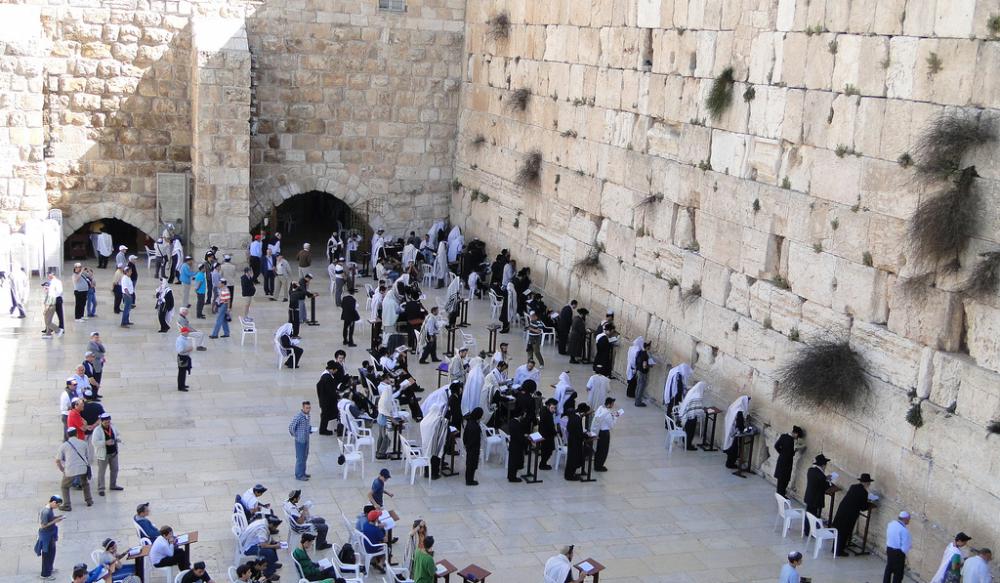
![Morning prayers at the Western Wall in Jerusalem.]() By: Adam JonesMorning prayers at the Western Wall in Jerusalem.
By: Adam JonesMorning prayers at the Western Wall in Jerusalem. -
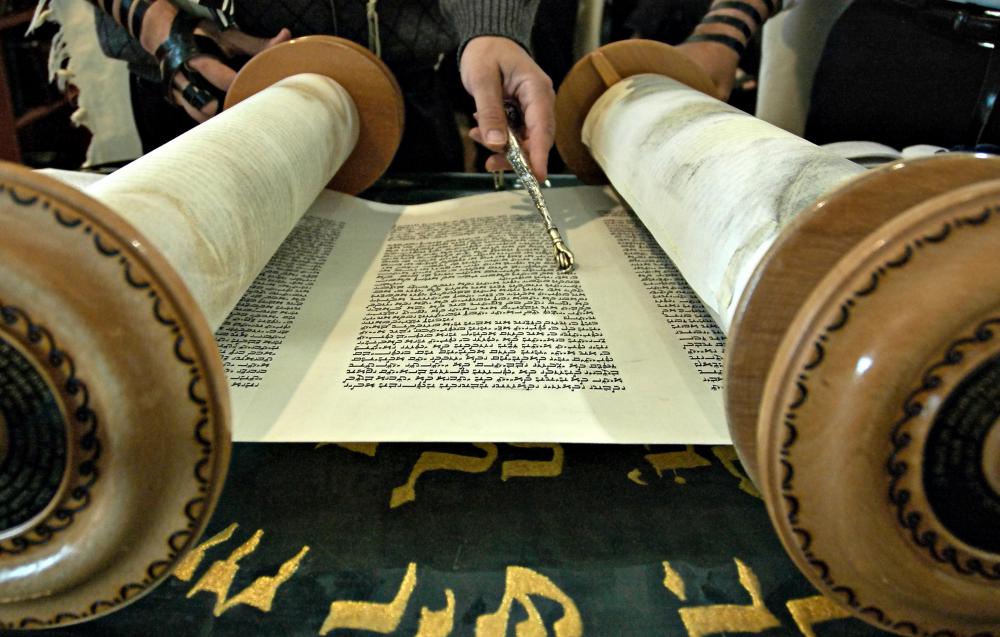
![Rituals performed during Sukkot are interpreted from the Torah.]() By: Abba RichmanRituals performed during Sukkot are interpreted from the Torah.
By: Abba RichmanRituals performed during Sukkot are interpreted from the Torah. -
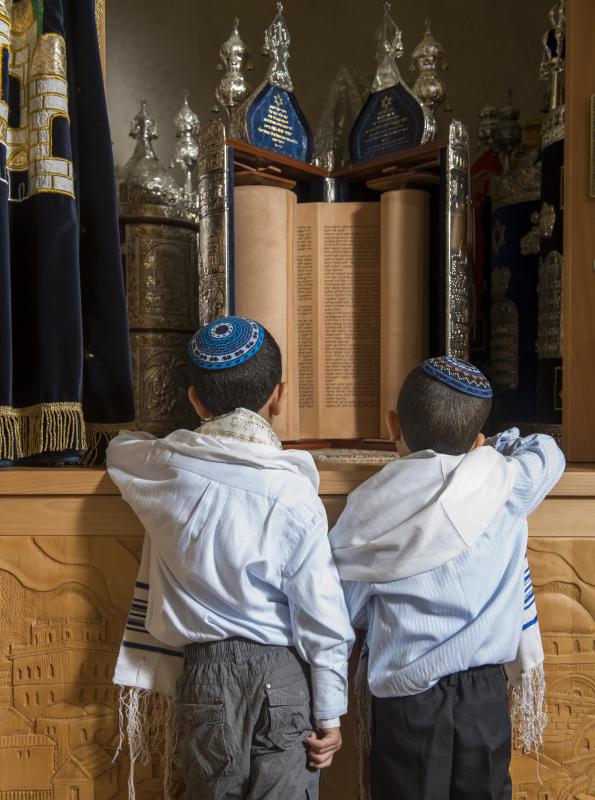
![Jews celebrate Sukkot on the fifth day after Yom Kippur.]() By: eranyardeniJews celebrate Sukkot on the fifth day after Yom Kippur.
By: eranyardeniJews celebrate Sukkot on the fifth day after Yom Kippur.
Discussion Comments
@dega2010: The Sukkah hut is what gives Sukkot its name but the festival has two other main symbols. Those are the lulav and etrog.
From the Torah (Leviticus 23:40) comes the commandment of gathering together the Four Species during Sukkot. “And you shall take for yourselves on the first day the fruit of beautiful trees, branches of palm trees, the boughs of leafy trees, and willows of the brook; and you shall rejoice before the LORD your God for seven days.”
The lulav is a ripe, green, closed frond from a date palm tree. The etrog is the fruit of a citron tree.
I have heard of sukkot etrog and lulav. Does anyone know what those mean?
Post your comments