
At SmartCapitalMind, we're committed to delivering accurate, trustworthy information. Our expert-authored content is rigorously fact-checked and sourced from credible authorities. Discover how we uphold the highest standards in providing you with reliable knowledge.
What is Check Fraud?
 Michael Pollick
Michael Pollick
Michael Pollick
Considering the number of checks written every day around the world, it's sometimes easy to forget that each one is a legally binding financial instrument. A paper or electronic check serves as a good faith token between parties, based on the trust that an equivalent amount of cash does exist in a legitimate bank-based account. Whenever that trust is violated, the result is known as check fraud. Check fraud covers a number of illegal and/or deceptive practices, from forgery to check kiting to embezzlement.
The most visible form of check fraud results from checks written on accounts with insufficient funds. A store owner may accept a check from a customer for services or goods, only to discover that the check has not been honored by the bank due to insufficient funds. Sometimes the problem is merely an oversight, and sometimes the check writer is fully aware that the check was not valid at the time of purchase. This check fraud scheme costs the store owner the original value of the merchandise, plus any additional fees charged by the bank. The same individual may continue to write bad checks in other areas until apprehended. It is not unusual for local law enforcement agencies to allow offenders an opportunity to make good on bad checks before arrests for check fraud are made.

Another form of check fraud is called check kiting or check floating. Some criminals will open two separate checking or savings accounts, then write fraudulent checks to local vendors or individuals. While these checks are being processed by the bank, the criminals will transfer funds between the two accounts to inflate the balances temporarily. Before recent advancements in electronic banking, there would generally be a brief lag between the receipt of a check and the actual processing. This "float time" allowed criminals enough time to keep each account viable until the checks cleared their bank. Modern banking practices, however, have made this form of check fraud much more difficult to commit. The amount of elapsed time between receipt and presentation has been reduced significantly.

A form of check fraud similar to the insufficient funds scam is called paperhanging. Paperhanging involves the deliberate use of a closed account to write fraudulent checks. The check writer knows that the account is closed, or else he or she will use stolen checks from someone else's closed account. The checks have not been physically altered, but the account information is no longer valid. Criminals who commit paperhanging check fraud are usually hampered by a fixed number of checks, which means they often buy large ticket items and leave the area before discovery. Many are captured after attempting to reorder checks on closed accounts.

There are other forms of check fraud which involve the physical alteration of the paper check itself. Some unscrupulous employees may forge an authorized signature on bogus payroll checks or other company accounts, for example. A burglar may attempt to cash a stolen check by forging the victim's signature. Some recipients of a legitimate check may alter the amount by adding zeroes or rewriting the amount entirely. Another form of physical check fraud involves using chemicals to remove the original ink, which allows the criminal to rewrite the entire check. Others may use high-end color copiers to duplicate a stolen payroll or personal check. The use of magnetic inks on legitimate checks has put a damper on the widespread use of photocopied checks, however. Experts also suggest the use of gel pens instead of traditional ballpoint pens, since the ink inside a gel pen is more likely to bond with the fibers of the check paper.
Michael Pollick
A regular SmartCapitalMind contributor, Michael enjoys doing research in order to satisfy his wide-ranging curiosity about a variety of arcane topics. Before becoming a professional writer, Michael worked as an English tutor, poet, voice-over artist, and DJ.
Learn more...
Michael Pollick
A regular SmartCapitalMind contributor, Michael enjoys doing research in order to satisfy his wide-ranging curiosity about a variety of arcane topics. Before becoming a professional writer, Michael worked as an English tutor, poet, voice-over artist, and DJ.
Learn more...AS FEATURED ON:
AS FEATURED ON:









-
![Signing a check without the permission of the account holder is one form of check fraud.]() By: Tan Kian KhoonSigning a check without the permission of the account holder is one form of check fraud.
By: Tan Kian KhoonSigning a check without the permission of the account holder is one form of check fraud. -
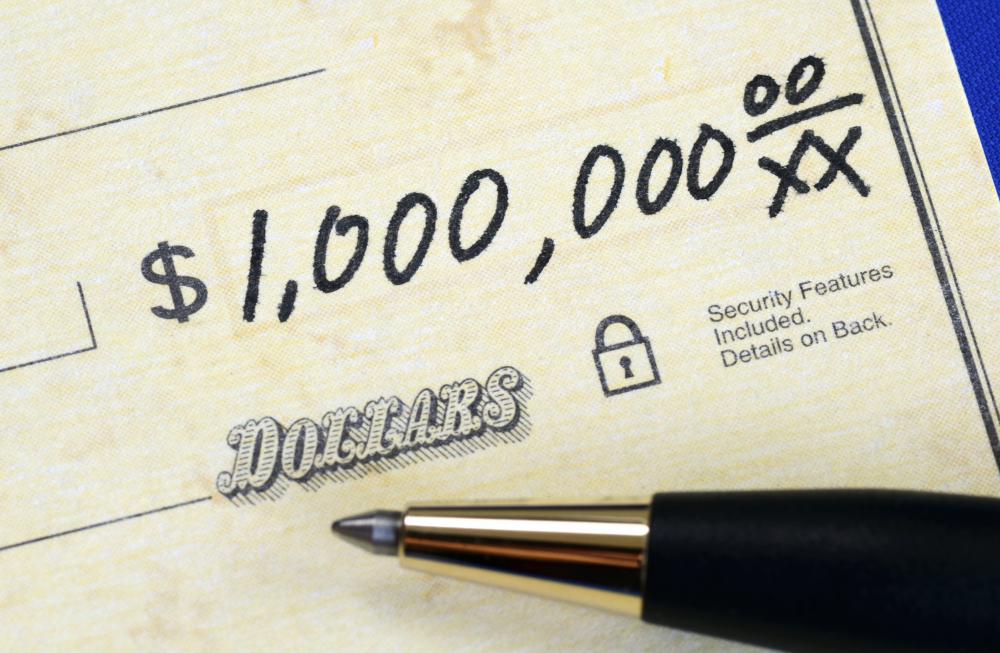
![Altering a check to make it appear as though it was written for a large sum of money is considered check fraud.]() By: JohnKwanAltering a check to make it appear as though it was written for a large sum of money is considered check fraud.
By: JohnKwanAltering a check to make it appear as though it was written for a large sum of money is considered check fraud. -
![Fraudulent checks may be written as part of an embezzlement scheme.]() By: s_kuzminFraudulent checks may be written as part of an embezzlement scheme.
By: s_kuzminFraudulent checks may be written as part of an embezzlement scheme. -
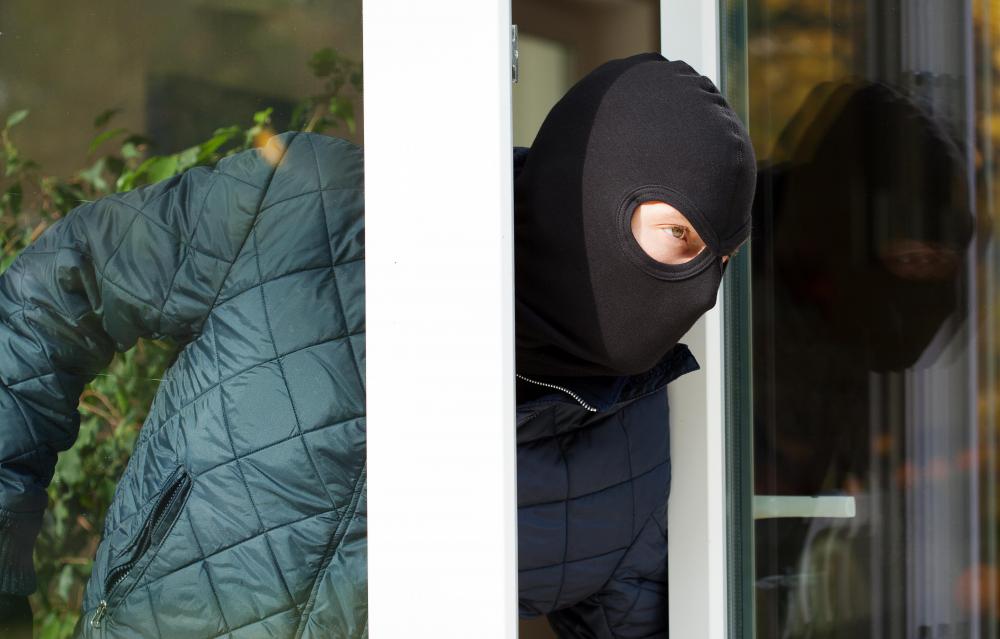
![A burglar may steal a check and then commit fraud by trying to forge the signature of the victim.]() By: Photographee.euA burglar may steal a check and then commit fraud by trying to forge the signature of the victim.
By: Photographee.euA burglar may steal a check and then commit fraud by trying to forge the signature of the victim. -
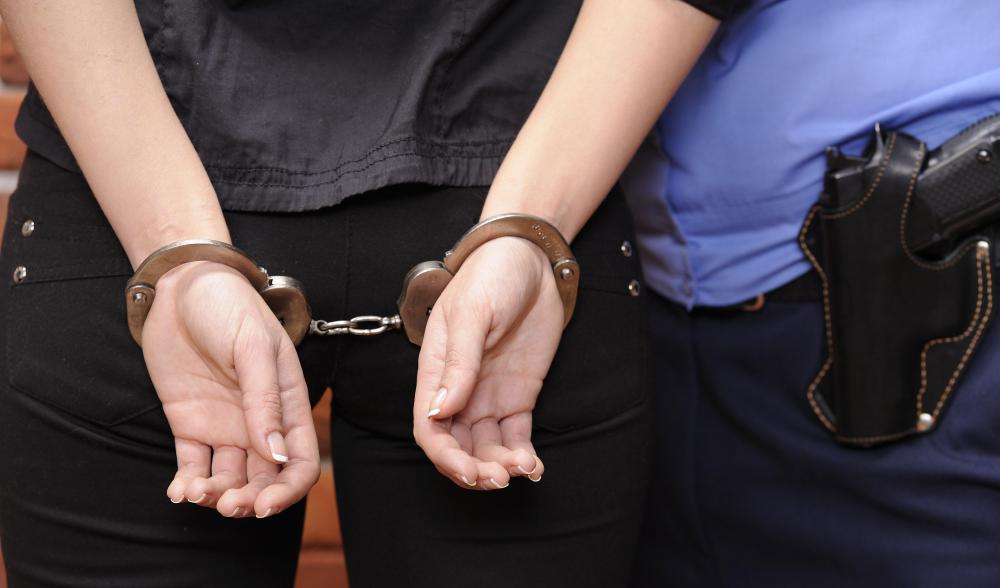
![Someone guilty of check fraud often faces a minimal incarceration.]() By: ivanfffSomeone guilty of check fraud often faces a minimal incarceration.
By: ivanfffSomeone guilty of check fraud often faces a minimal incarceration.


Discussion Comments
Some one put a check in my account and it was not in my name and they put a hold on my account. Could I go to jail? Please help.
Back in 2007, my fiance and I shared a checking account with Bank of America. He received a check in the mail totaling almost $3,000 as a scam. But he did not know it then. He took it to the bank and cashed it. Prior to having it cashed, he asked the cashier if this was real and explained he received it in the mail as a winnings(scam). He was told that once he cashed the check, to wire the money to somewhere and all of a sudden our account was overdrawn and funds were transferred out.
The FBI was involved in resolving this issue. Well just a year ago I received a letter from the IRS saying I owe taxes on this money. It was never in my name, nor did I receive the money. The Bank of America wrote this off in 2010. So Now the IRS is coming after me when this was fraud. What can I do, legally?
I deposited my check and it bounced two times. The person who gave the check to me said I gave instructions to stop my check. It is possible to stop that check where it is in a problem. Can I take any action for it? Please guide me.
Am I going to go to jail? I wrote checks for $800, $350 and $700 to myself to my bank account from my other bank account. I put a stop check payment on two of them.
I put some cash in my bank b account and I get paid tomorrow so I can deposit more money. My bank A account that I deposited the check into is suspended now because they are monitoring it due to deposited checks in a short period of time, and they didn't release most of my funds anyway, so most likely I know my bank B will get that money back.
I didn't know what I was doing was check kiting I feel so scared and stress now can't sleep! Please tell me what to do to avoid criminal prosecution.
What is the maximum period of time that can elapse for a bank to reverse a check after it has been credited to an account?
I received a check from the Carlson Group for the amount of 3,200. It was to be paid to my business and it looked like a real check. So I deposited it into my bank and am not going to touch it until it clears. I'm thinking oh well, if it bounces, I'll still have the money in my account and if it clears, I'll be 3,200 dollars richer.
Well this afternoon, I got another check from somewhere else for the same amount. I'm wondering if anyone has heard of this and if I am being scammed!
If any employee prepared two nic cards with different date of birth and later easily changed to his birthdate, if it is proved later, what action can legally be taken?
Note to all you thieves: I will find the person who stole my check in the mail and used a fake id to cash my personal check. All I have to do is track where and exactly when my check was cashed, then look for your pathetic face on the security cameras. Then you will go to jail for a long time for committing a federal crime, you creep. You will be caught.
I have a check of a good sufficient amount. If someone steals my check and forges my signature on the back, and then deposits it into their account, would that be considered check fraud? What legal action should be taken?
I went to cash a check for my sister and it turned out to be a check that was altered by her, because her boyfriend did not have an ID, and they altered it to reflect her name. The check was not cashed and a investigator was looking into it to see if the check was really her boy friends, can we be charged with check fraud if he allowed the check to be altered?
My husbands ex wife committed so much check fraud while he was overseas, we are still getting letters from banks trying to collect money.
It's not fair that she did something so Illegal under his name and now we're the ones having to pay for it. We have to file bankruptcy! So it is a bad thing and it is a big deal!
i think that it's really not that bad of a thing. i mean really, if you can get away with it, then hey go for it right? it's not illegal till you get caught.
I wrote a check to my contractor (advance payment) and he cashed the check at a liquor store but did not come to work next day as promised. I tried to contact him without success for two days. I immediately put a stop payment on the check but liquor shop sued me for non payment. Is there a way to protect myself from liens against my property?
are stores held reliable when they allow someone to cash checks that are not on the checks? We got our book of checks taken from our home (one of our daughters friends )is what we presume, and walmart allowed them to cash not 1 but 6 without ever checking ID and there is no way anyone could believe the person was my husband as his name was the only one on the checks. willy092100
It is never legal to alter a check.
I'm a bank employee, and by law we're required to learn this kind of stuff. The "memo" section of the check is not legally binding, and is to be used for the exact purpose of it's name. Any alteration of the memo has no bearing on whether or not the check can be cashed.
Check fraud, as evidenced by the discussion above, is a huge problem for companies everywhere. One of the best ways to avoid some of the frauds is to move to electronic payments. Interestingly, consumers are now paying electronically more than businesses.
Mary Schaeffer
author
Exactly how binding is the memo area of a check? I thought it was for just about any purpose the payee had in mind as a reminder. It is not actually a part of the transaction, is it?
I wrote a check for 2k, then due to id theft someone tapped into my account and the check that I had written bounced. Is this considered check fraud. I am very concered because the bank still has not cleared my account and I have not been able to clear the check for 2k. Please help.
I have an subcontractor who was recently terminated. I wrote her final check with FINAL PAY written in the memo section. When it cleared my bank and the the canceled check was sent to me, the subcontractor scratched out the memo section as if to say she doesn't agree that this is her final pay.
Is it legal to alter the check and then cash it?
Post your comments