
At TheHealthBoard, we're committed to delivering accurate, trustworthy information. Our expert-authored content is rigorously fact-checked and sourced from credible authorities. Discover how we uphold the highest standards in providing you with reliable knowledge.
What is Autism?
The stereotypical view of autism is that portrayed by Dustin Hoffman in the movie Rainman — an individual unable to function well in society, with unusual mental abilities, repetitive behaviors and odd speech patterns. Today, it is recognized as a developmental disorder that begins either at birth or in very early childhood, and if left untreated, can seriously impair a child's ability to develop normal social interactions.
Autism appears in anywhere from one in 166 births to one in 500 births; it was earlier thought to occur only once in every 10,000 births. It is not clear whether recent increases in diagnoses are due to better diagnostic criteria or to an actual increase in how often it occurs. Its causes are the subject of considerable controversy, although a genetic propensity, possibly triggered by environment factors, is a leading candidate. Certainly autism or autistic characteristics can be seen to run in families.

The condition is believed to be a neurological and sensory disorder; autistics do not perceive and relate to the rest of the world in the same way as non-autistics do. Temple Grandin, an autistic who gained a PhD in animal behavior as an adult, has written of her life with autism in Thinking in Pictures. She claims an autistic's cognition is much more closely tied to visual stimuli than that of non-autistics.
Autism in children can be diagnosed very early, as early as 12 to 18 months. The signs include the following:
- Language development problems: An infant may babble and begin to acquire one-word concepts, then at some point cease to learn new words and lose the ones he or she has already required. Some autistic children never begin to develop language at all.
- Social retreat: Rather than enjoy and seek out social interactions, a toddler with autism will avoid them, preferring his or her own company. A child who actively, even obsessively, avoids eye contact may be in the early stages of the condition.
- Sensory problems: Autism seems to interfere with how a child processes sensory information. Tactile sensations may be overwhelming or addictive. Visual stimuli such as the rotating blades of a fan may prove an irresistible focus.
- Repetitive behavior: Children with this condition often perform ritualistic or repetitive motions. Hand flapping, organizing toys rather than playing with them, and opening and closing cabinets repeatedly for a lengthy period may all be hallmarks of autism.

Autism is considered a spectrum disorder — that is, problems caused by it can range from mild to severe. The earlier the disorder is diagnosed and treated, often by cognitive and behavioral intervention, the more fully functional autistics can become. Many people diagnosed today can be successfully "mainstreamed" into the educational system. Many municipalities now have special services in the educational system to treat autistic children; parents should consult with a pediatrician for information on diagnosis and treatment if they think their child might have this condition.
AS FEATURED ON:
AS FEATURED ON:


-
![Parents who believe their child might have autism should consult their pediatrician.]() By: Darren BakerParents who believe their child might have autism should consult their pediatrician.
By: Darren BakerParents who believe their child might have autism should consult their pediatrician. -
![Typically, autism behaviors will start developing when a child is a toddler.]() By: jolopesTypically, autism behaviors will start developing when a child is a toddler.
By: jolopesTypically, autism behaviors will start developing when a child is a toddler. -
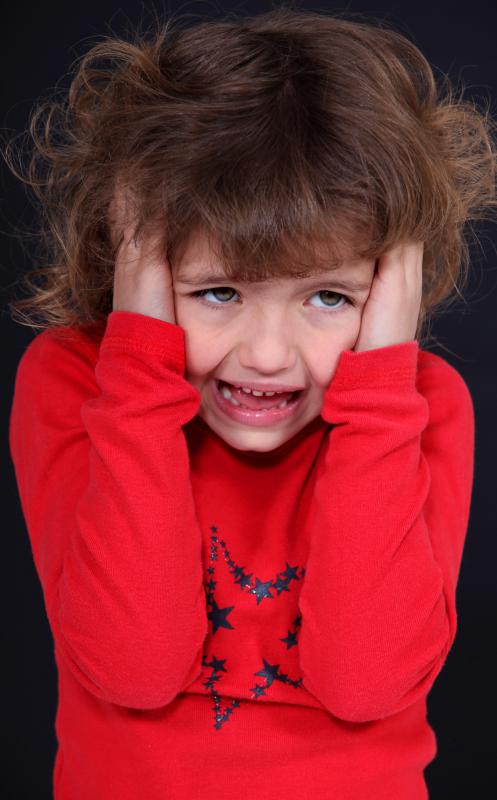
![Certain stimuli may be overwhelming for people with autism.]() By: auremarCertain stimuli may be overwhelming for people with autism.
By: auremarCertain stimuli may be overwhelming for people with autism. -
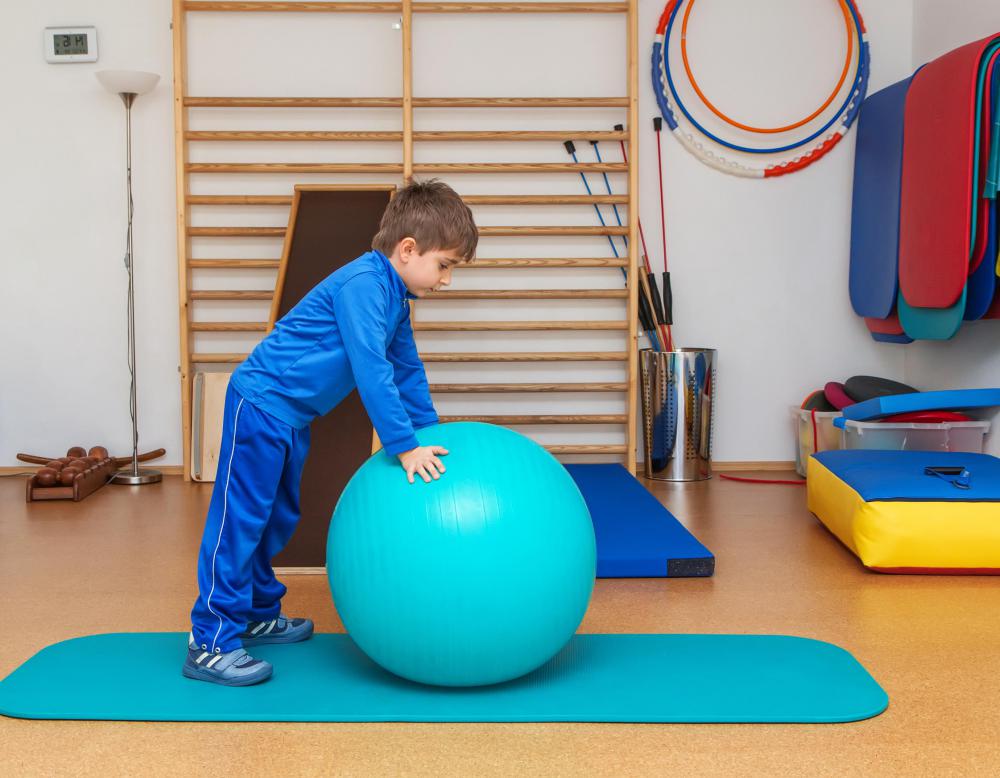
![Occupational therapy is often used to help children with autism to improve their ability to move their bodies so they can use scissors, ride tricycles and catch balls.]() By: g215Occupational therapy is often used to help children with autism to improve their ability to move their bodies so they can use scissors, ride tricycles and catch balls.
By: g215Occupational therapy is often used to help children with autism to improve their ability to move their bodies so they can use scissors, ride tricycles and catch balls. -
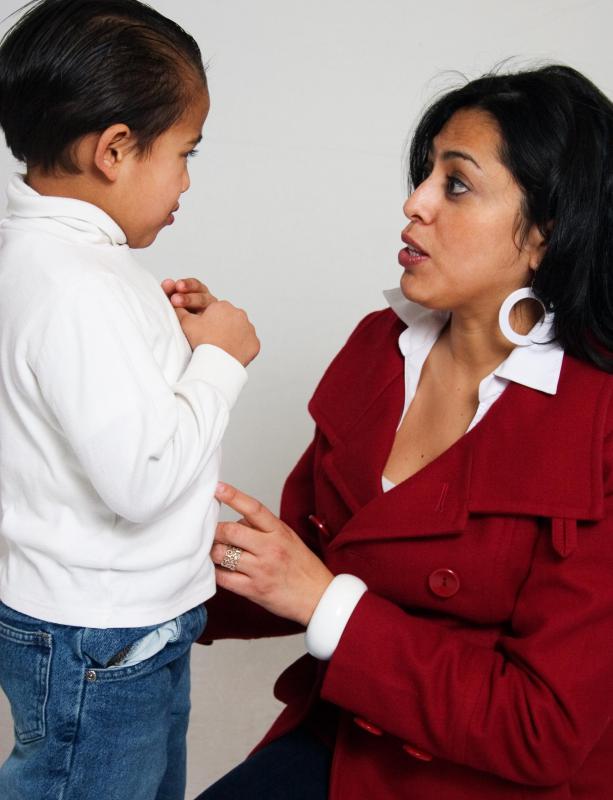
![Different discipline methods are needed for children with autism compared to other children.]() By: Monart DesignDifferent discipline methods are needed for children with autism compared to other children.
By: Monart DesignDifferent discipline methods are needed for children with autism compared to other children. -
![People with autism typically are more emotionally sensitive.]() By: IlikePeople with autism typically are more emotionally sensitive.
By: IlikePeople with autism typically are more emotionally sensitive.



Discussion Comments
I can see why they think there are genetics involved. My son has been diagnosed with autism and the more I watch him, the more I see a bit of myself, like repetitive behaviors.
I am the same way at times. For example, I can watch the same movie, every day, over and over. It is interesting watching him grow and change so much from year to year.
Autism occurs in 1-2 people per 1000 people studied. Also, males are approximately four times more likely to be autistic than females.
@bestcity- It is important to note that the causes of autism have not been definitively declared. Essentially every component of the condition is speculative and highly debated among scientists and physicians.
Even though it is not fully proven yet, causes of autism are linked to pesticides, infections, and diet.
Post your comments