
At TheHealthBoard, we're committed to delivering accurate, trustworthy information. Our expert-authored content is rigorously fact-checked and sourced from credible authorities. Discover how we uphold the highest standards in providing you with reliable knowledge.
Why Should I Donate my Organs?
 Mary McMahon
Mary McMahon
Mary McMahon
Around the world, many people are encouraged to consider organ donation to save the life of another human being. The process of donating an organ most commonly occurs after the donor has died, although there are some instances in which a living individual can donate a kidney, section of intestine, or area of skin to someone in need. When organs such as the heart, lungs, liver, or kidneys are harvested, a transplant team removes them from a brain dead patient and transplants them into the body of someone in need. In the United States alone, 77 people get a new organ every day, and 29 people die because they were unable to get organs.
The most important reason to consider organ donation is that you can save someone's life. It can give someone in need a new heart, liver, or set of lungs, and many transplant patients go on to live long, successful lives after their transplant surgery. You can also make a big different in someone's life by donating optical material such as corneas, passing the gift of sight on to someone in need. Organ donation is also used to harvest skin for burn victims, intestinal material for people who have experienced abdominal trauma, veins and arteries, heart valves, bone, tendons, and pancreas. Especially if you are in vigorous health, these body parts could be a boon to someone after your death.

Most major religions are supportive of organ donation, although if you are concerned, you can contact a religious authority in your area. Bioethicists and medical doctors also stand behind it, and a single organ donor can make a difference in the lives of many people. While the process is invasive, it is very respectful, and the body is suitable for viewing after organs have been recovered. There is also no cost to the survivors of the donor for recovering organs.

Some people who are questioning organ donation for themselves have expressed concerns about medical ethics surrounding the process. As a potential organ donor, you should know that the first priority of medical personnel in an emergency situation is to save your life, or the lives of your loves ones, not to take your organs. If all efforts at saving your life have failed and you have been declared brain dead, the steps involved in the organ recovery process can begin, but not until then. Your survivors will also be consulted before any organ recovery takes place, even if you have expressly directed that you wish to become an organ donor.

Many parts of the world offer organ donation registration with identity cards such as driving licenses. However, it is important to talk over your wishes with your family members as well, and you may want to consider registering with an organ transplant or donation network. They can provide you with an additional donor card detailing which organs you wish to donate, along with your blood type, so that a match with a potential transplant candidate can be quickly made.
Mary McMahon
Ever since she began contributing to the site several years ago, Mary has embraced the exciting challenge of being a TheHealthBoard researcher and writer. Mary has a liberal arts degree from Goddard College and spends her free time reading, cooking, and exploring the great outdoors.
Learn more...
Mary McMahon
Ever since she began contributing to the site several years ago, Mary has embraced the exciting challenge of being a TheHealthBoard researcher and writer. Mary has a liberal arts degree from Goddard College and spends her free time reading, cooking, and exploring the great outdoors.
Learn more...AS FEATURED ON:
AS FEATURED ON:


-
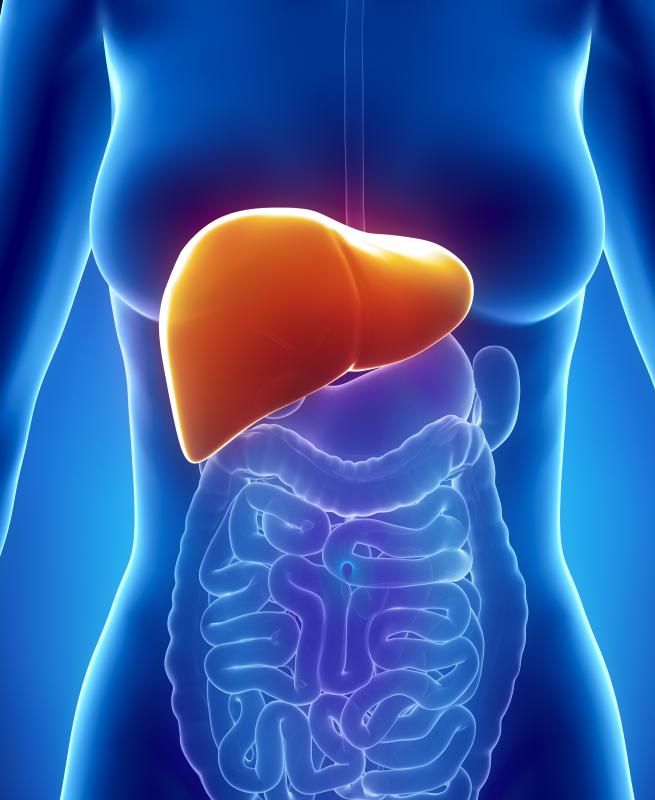
![The human liver is one organ that can have a section harvested from a living person.]() By: CLIPAREA.comThe human liver is one organ that can have a section harvested from a living person.
By: CLIPAREA.comThe human liver is one organ that can have a section harvested from a living person. -
![Organ donation may be used to harvest skin for burn victims.]() By: OlegDOrgan donation may be used to harvest skin for burn victims.
By: OlegDOrgan donation may be used to harvest skin for burn victims. -
![Hearts and heart valves may be donated.]() By: digitexHearts and heart valves may be donated.
By: digitexHearts and heart valves may be donated. -
![People often have to wait years for an organ donation.]() By: RioPatuca ImagesPeople often have to wait years for an organ donation.
By: RioPatuca ImagesPeople often have to wait years for an organ donation. -
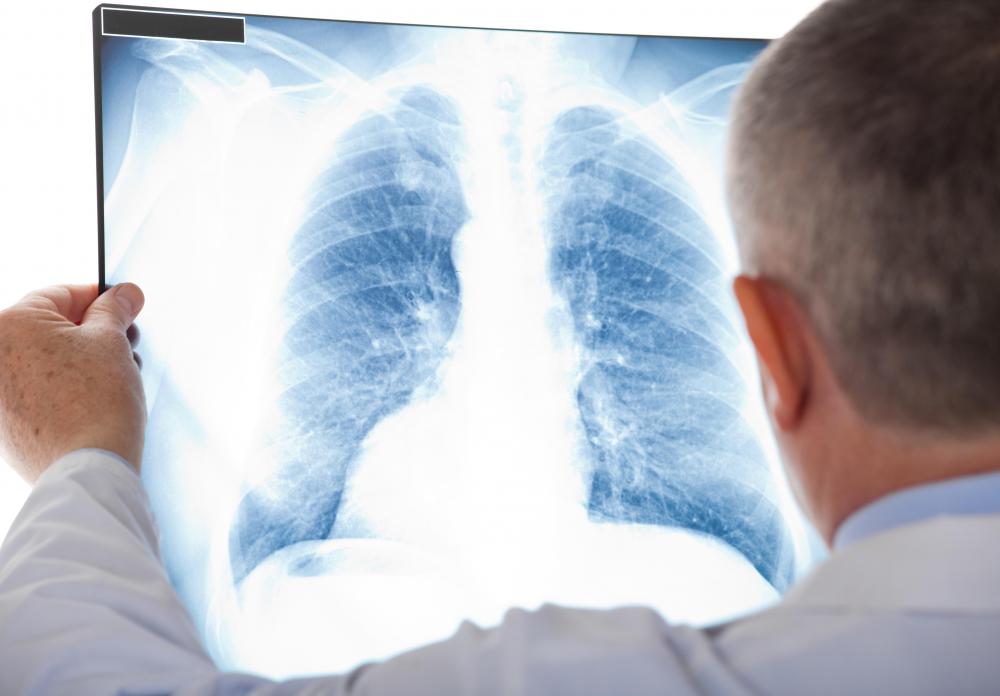
![The lungs are commonly transplanted tissues.]() By: Minerva StudioThe lungs are commonly transplanted tissues.
By: Minerva StudioThe lungs are commonly transplanted tissues.


Discussion Comments
@Armas1313: What good will it do? 27 people die every day in the US because they didn't get organ transplants in time.
@Armas1313
You raise some interesting reservations concerning organ donation, and I think the two that you mentioned are probably among the highest barriers to considering organ donation. The fact is: there is a great lack of people willing to donate organs and overcome these personal reservations and hurdles. The reason it is the pinnacle of heroism is because it takes a lot of conviction and earnest consideration to make the choice to give yourself to save lives after you move on. Think of all that you value and love in this life... wouldn't you want to share that with eight other people who could have so many years ahead of them if you would let them?
@arod2b42
I would agree that this may be a good practice, but what does it matter to me what happens after I am dead? Honestly, the thought of my organs being donated makes me feel queasy and my family may also feel awkward about it after I am gone. Is it really so important?
I think the Golden Rule of "do unto others as you would have them do unto you" is present in nearly every society and religion in the world. It is a necessary axiom for a good society, and has raised civilization to a new community-family centered order of well-being. In my opinion, the act of donating organs is very likely near the pinnacle of heroism in terms of the Golden Rule, and donors are worthy of very much respect.
I believe organ donation is a good thing. It can save lives and help people in need. There are many lists to sign up on to encourage you to become a donor. The more names on the list, the greater chance of someone's life being saved.
It is a good feeling to know that when you pass away your organs will be given to someone else who may be suffering. You could turn their life around. You could make them live a longer and more successful life.
Organ donation offers a second chance at life to those who have been suffering and in pain. Also, your family would be donating your organs when you pass away.
With that being said, families could figure out that donation will help them through their sad process. Yes, it is your decision if you want to become a donor or not, but just think about how many lives you could save.
I read in another article that one person could save more than eight lives. I heard of a family who had donated and they had given the gift of life to someone in need. That is a great feeling.
Organ donation is a strong attribute in the world and people should become donors.
Post your comments