
At TheHealthBoard, we're committed to delivering accurate, trustworthy information. Our expert-authored content is rigorously fact-checked and sourced from credible authorities. Discover how we uphold the highest standards in providing you with reliable knowledge.
Why is E. Coli so Dangerous?
 Michael Pollick
Michael Pollick
Michael Pollick
Escherichia coli, often abbreviated as E. coli, is a type of bacteria commonly found in the digestive systems of animals. One specific strain can cause serious digestive system upset, however, leading to diarrhea and nausea, which can leave an infected person weak and dehydrated. It may also produce a toxin that damages the kidneys and weakens the small intestine walls in children. Part of the reason that this bacteria is so dangerous is because there is no effective cure for an infection.
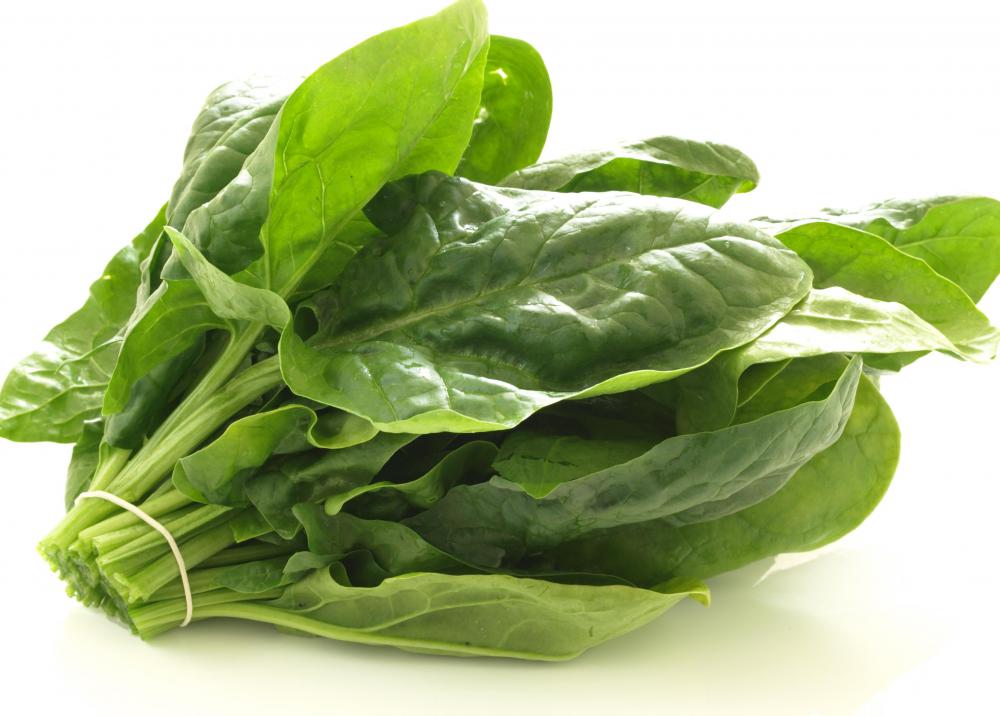
In 2006, consumers in the United States experienced a major health scare when bags of raw spinach leaves processed in California were found to contain dangerous levels of E. coli. Hundreds of people were sickened, and several deaths were reported. The source of the contamination was eventually traced to specific produce farms located in one county in California. While sales of bagged spinach eventually resumed, the public also became aware of some of the dangers of bacterial contamination and exposure.

It is important to realize that not all E. coli bacteria are harmful to humans. Most serve as a digestive aid; they are part of the helpful gut flora responsible for breaking down certain foods into more digestible sugars or proteins. One particular strain, called E. coli O157:H7, is the form of bacteria responsible for the most serious complications associated with contaminated foods and other sources.

The first symptoms of true E. coli contamination mimic a number of other conditions considered to be temporary or treatable with standard antibiotics. The sufferer may experience abdominal cramping, diarrhea, and nausea. The loss of fluids may also cause dehydration and a general loss of energy. Many people have experienced these symptoms as the result of a 24-hour flu bug, mild food poisoning, or general overeating. Parents and other caregivers may not recognize the more serious symptoms of an infection for several days.

Another reason that this bacteria is so dangerous is that it most severely impacts the young, the elderly, and people who are immunity-compromised. Healthy adults can usually survive the worst of an infection, because other elements of their digestive tracts still function normally, and the body's natural defenses can eventually overwhelm the invading bacteria. Young children have not yet developed these natural defenses, and the elderly or immunity-compromised may not have the healthy levels of gut flora and antibodies required to fend off the infection.

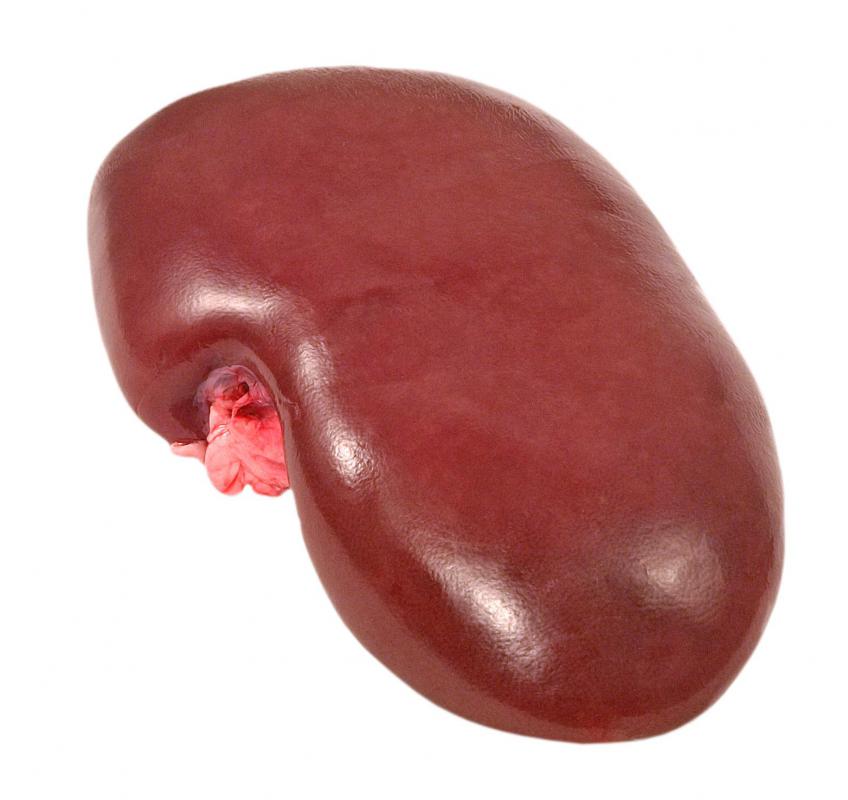
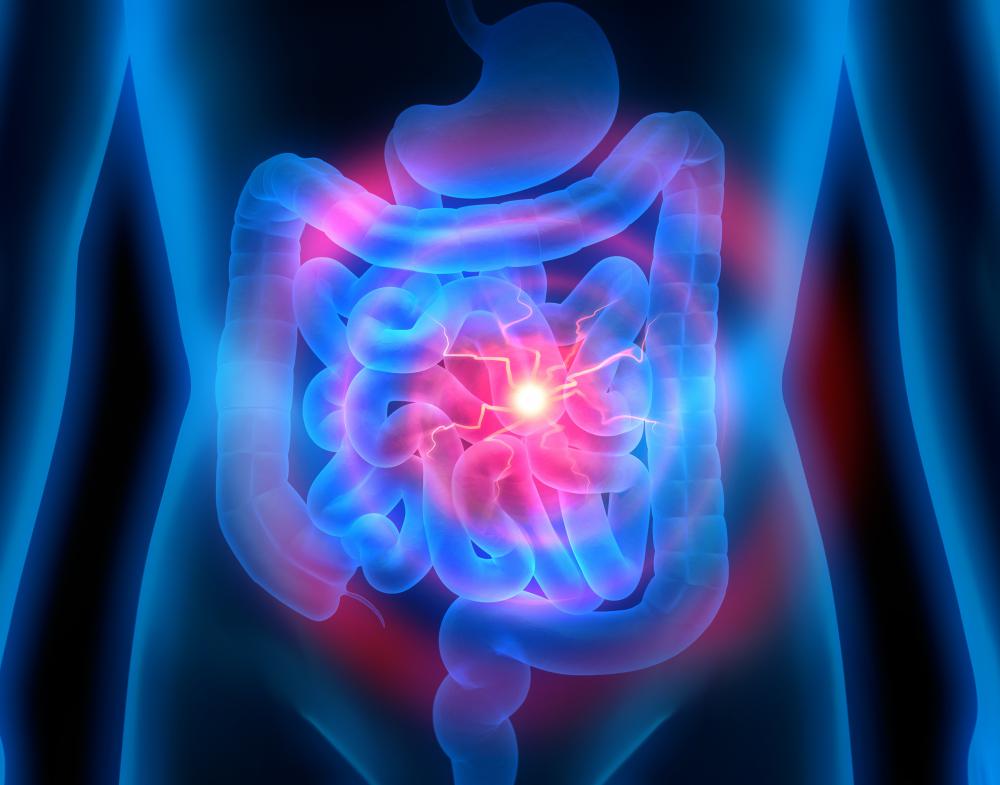
E. coli O157:H7 is particularly damaging to the kidneys and other organs responsible for removing toxins from the body. In young children, it can create a poisonous toxin that weakens the walls of the small intestine. The linings of some smaller blood vessels in the kidney can also become weakened. This is a serious complication called hemolytic uremic syndrome (HUS), and it is possible for sufferers to experience complete kidney failure or other complications, such as paralysis, blindness, and seizures.

This bacteria does not respond well to the traditional over-the-counter remedies for its symptoms. Antidiarrheal medications can make the infection worse, since they prevent the body from naturally eliminating some toxins. Antibiotics essentially kill off any bacteria they encounter, including the good intestinal bacteria strains assigned to fight off the E. coli invasion. Since there is no current treatment for severe infections, the sufferer must endure the unpleasant symptoms until the infection has run its course, generally within one to two weeks.
Michael Pollick
A regular TheHealthBoard contributor, Michael enjoys doing research in order to satisfy his wide-ranging curiosity about a variety of arcane topics. Before becoming a professional writer, Michael worked as an English tutor, poet, voice-over artist, and DJ.
Learn more...
Michael Pollick
A regular TheHealthBoard contributor, Michael enjoys doing research in order to satisfy his wide-ranging curiosity about a variety of arcane topics. Before becoming a professional writer, Michael worked as an English tutor, poet, voice-over artist, and DJ.
Learn more...AS FEATURED ON:
AS FEATURED ON:


-
![E. coli can be especially dangerous to children, causing damage to vital organs such as the kidneys.]() By: zurbaganE. coli can be especially dangerous to children, causing damage to vital organs such as the kidneys.
By: zurbaganE. coli can be especially dangerous to children, causing damage to vital organs such as the kidneys. -
![E. Coli releases toxins that weaken the walls of the small intestine.]() By: psdesign1E. Coli releases toxins that weaken the walls of the small intestine.
By: psdesign1E. Coli releases toxins that weaken the walls of the small intestine. -
![Nausea is one common symptom of an E. coli infection.]() By: jedi-masterNausea is one common symptom of an E. coli infection.
By: jedi-masterNausea is one common symptom of an E. coli infection. -
![In 2006, U.S. consumers were notified that some bagged spinach sold in grocery stores was contaminated with E. coli.]() By: Photographee.euIn 2006, U.S. consumers were notified that some bagged spinach sold in grocery stores was contaminated with E. coli.
By: Photographee.euIn 2006, U.S. consumers were notified that some bagged spinach sold in grocery stores was contaminated with E. coli. -
![E. coli may cause sever abdominal cramping.]() By: sframeE. coli may cause sever abdominal cramping.
By: sframeE. coli may cause sever abdominal cramping. -
![Food poisoning often occurs when food is prepared or handled in a way that's unsanitary, contaminating it with pathogens such as E. coli.]() By: malexeumFood poisoning often occurs when food is prepared or handled in a way that's unsanitary, contaminating it with pathogens such as E. coli.
By: malexeumFood poisoning often occurs when food is prepared or handled in a way that's unsanitary, contaminating it with pathogens such as E. coli. -
![Elderly may be more susceptible to the dangers of E. coli contamination.]() By: riccardo bruniElderly may be more susceptible to the dangers of E. coli contamination.
By: riccardo bruniElderly may be more susceptible to the dangers of E. coli contamination.




Discussion Comments
There seems to be a number of people calling e.coli a virus. It is a bacterium, people!
I have had e-coli 0175. I had diarrhea then started to pass blood. I went to the doctor and had a few tests. I was told I would recover in one to two weeks. We think the problem was a hamburger. It was not cooked through.
There is one mildly effective treatment for the elderly and young. It's known as a gut flora transplant, I believe, though it's pretty gross. Essentially, they stick a tube down your throat and "introduce fecal matter" from someone with a healthy digestive system into the patient's small intestine.
There is no current cure for this so I am kind of scared. What do I do?
@JessicaLynn - Sometimes it's a good idea to just listen to your mother! I will admit that I didn't know that about taking over-the-counter medications if you have E. coli either though. It's also crazy to me that there isn't really any treatment for this illness.
I guess the only thing doctors can really do for people with E. coli is give them fluids and try to keep them comfortable.
I had no idea it could possibly be harmful to take antidiarrheal medicines if you have E. coli virus symptoms. Interestingly enough, my mom has been telling me my whole life not to take over-the-counter medications if I have diarrhea because it slows down the healing. It's so funny that this is actually true!
@indemnifyme - I would try not to worry so much. All you can really do is follow proper food safety procedures and hope for the best. It's also good to try and make sure your immune system is strong, so even if you're exposed to E. coli, you won't develop too many E. coli symptoms.
I remember that whole mess with the E. coli and the spinach. It was really scary for me, because I eat a ton of vegetables, and I have to admit that I used to not be that careful about handling them. I used to spend a lot more time worrying about getting E. coli or some other kind of horrible bug from meat.
However, now I guess I worry equally about all my food!
My aunt got E. coli from swimming in a pond in a cow pasture. Hers was so severe that she got really bloody diarrhea.
Had it been just regular diarrhea and abdominal cramps, she could have handled that at home. However, when she saw all that blood in the toilet, she got really frightened and went to the emergency room.
They kept her in there for several days. She received fluids intravenously, and that kept her from dehydrating.
@giddion – You could still get the E. coli virus. I heard about a study in which researchers tried several different methods to wash E. coli off of spinach leaves. No matter what method they used, they could not get all of the E. coli off, and the amount left behind was enough to make anyone ill.
It's a scary thought, but we never know what foods might be infected with this bacteria. I've heard that you can get it from meat, too, so just cutting spinach from your diet wouldn't eliminate your chances of getting E. coli.
This is exactly why I always wash my spinach leaves before eating them. Even if the container says that they have been triple washed, I figure that one more washing won't hurt. Maybe those people who became sick in 2006 just didn't wash their spinach because they trusted the label that told them it had already been washed.
How many people have passed away because of E. Coli. How many are the victims of this?
Since e. coli is a bacteria, the toys can be wiped down thoroughly with an antibacterial cleanser or plain soap and hot water, then allowed to air dry before returning them to the play area. There is a slight chance a child could ingest e. coli bacteria if he or she handled the dirty toy immediately after the diagnosed child, but more than likely the amount of active e. coli present on the toys would not reach hazardous levels through casual contact.
A child came into my office who has been diagnosed with e coli. She played with the toys we have out for the kids. What is the proper treating of the toys. Is there risk of exposing other kids now?
Post your comments