
At AllThingsNature, we're committed to delivering accurate, trustworthy information. Our expert-authored content is rigorously fact-checked and sourced from credible authorities. Discover how we uphold the highest standards in providing you with reliable knowledge.
Why do Cats Purr?
 Mary McMahon
Mary McMahon
Mary McMahon
Most people are familiar with the sound of a cat's purr, and the sound is often referenced as an indicator of contentment or well being. However, as most cat owners are aware, the purr is not restricted to periods of contentment, but will also manifest during times of stress or pain. The physiology and reasons for the noise are not completely understood, although there are several hypotheses as to the reasons for the feline purr.
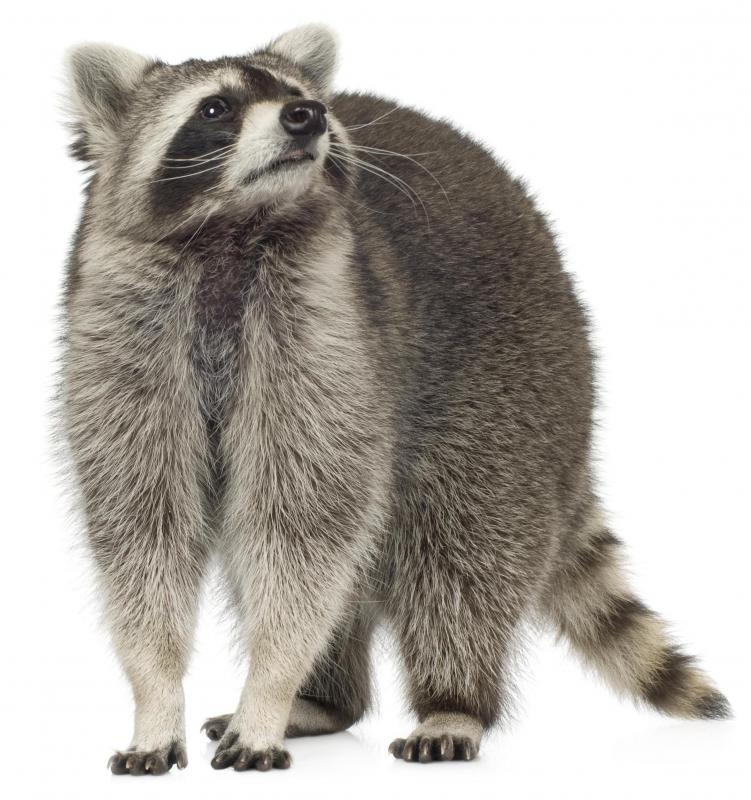
Most cat species, large and small, purr. Zookeepers have recorded instances of big cats such as leopards purring, and even some unrelated species such as raccoons are also capable of making a distinctive purring noise. It is believed the sound is caused by the vibration of vocal cords, and is a voluntary act on the part of the animal. When purring, the muscles of the voice box can act as a valve, causing air traveling in both directions to vibrate, which creates the illusion of continuous sound.

As anyone who has held a purring cat knows, the whole body of the animal vibrates, and the noises come in varying intensities. The purr can also be combined with a meow, although the result is sometimes comic. The purr is generally considered to be a soothing sound, and cats are sometimes used as therapy animals for this reason.
Originally, it was thought the noise was simply an expression of an emotional or physical state of contentment, safety, and well being. It is true that happy cats will purr, and that when cats mutually groom or cooperate on a task they will frequently purr. While it was a pleasant theory, the clearly demonstrated fact that cats will make the sound when they are not happy suggested that there was more to it than that.

The vibrational frequency of the purr ranges from 25-130 Hertz. This happens to be a frequency which promotes healing of bones and eases muscle pain, suggesting that perhaps cats are actually healing themselves with the mechanism. This suggestion has been borne out by studies which show that cats tend to have faster healing bone fractures than other animals, and suffer less from osteoarthritis and other bone disease.

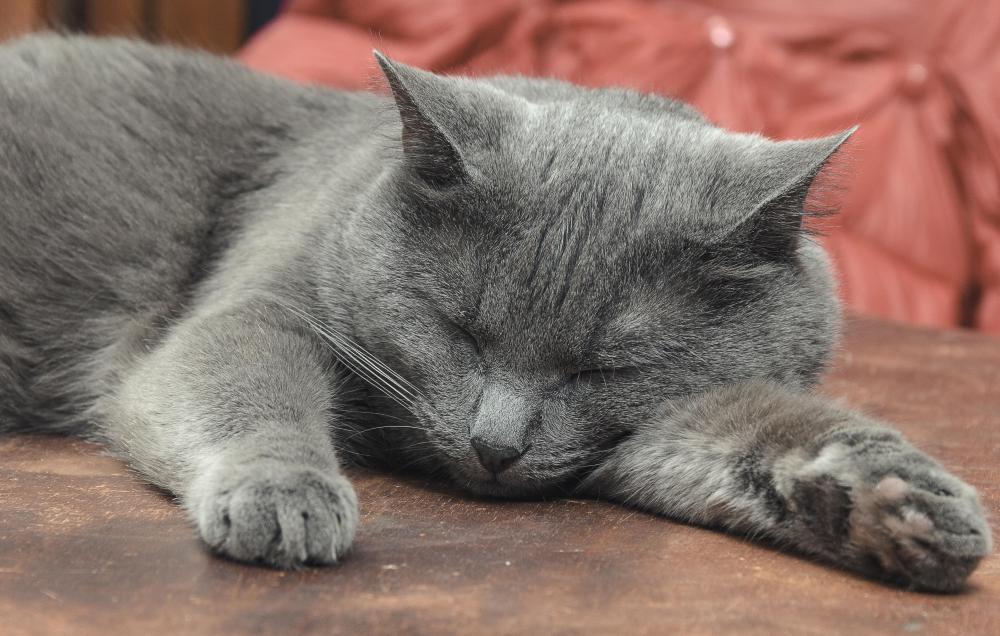
Cats will often purr when they are tired, which could be considered a waste of energy unless the action is serving a physiological function. Cats may be massaging themselves from within after a long day, easing muscle soreness, inflammation, shortness of breath, and exhaustion.
Frequently Asked Questions
Why do cats purr?
Cats purr for various reasons, ranging from contentment to self-soothing or healing. Purring can be a sign of happiness when a cat is relaxed or enjoying social interaction. Interestingly, cats also purr when they're in pain or anxious, as the vibrations are believed to have a healing effect on bones and tissues, and can serve as a mechanism for comfort.
Can cats control their purring?

Yes, cats can control their purring to some extent. They often initiate purring voluntarily when they seek to communicate with their human companions or other animals. However, purring can also be an involuntary response to being content or in need of self-soothing during stressful situations, indicating that not all purring is under conscious control.
Do all cats purr the same way?
No, not all cats purr the same way. The sound and frequency of a cat's purr can vary depending on the individual cat and its emotional state. Some purrs are almost inaudible, while others can be quite loud. The average purring frequency ranges from 25 to 150 Hertz, which is believed to promote healing and bone growth.
Is purring always a sign of a happy cat?
While purring is often associated with happiness, it's not always a sign of contentment. Cats also purr when they're frightened, in pain, or even when they're near death. It's a complex behavior that serves multiple purposes, including communication and self-healing. Observing the context of the purring can help determine the cat's emotional state.
Can purring have a therapeutic effect on humans?
Yes, cat purring can have a therapeutic effect on humans. The vibrations produced by purring can be calming and stress-relieving for people. Some studies suggest that these vibrations can lower blood pressure, reduce the risk of heart attack, and have a soothing effect, making the presence of a purring cat beneficial for human health.
Do big cats like lions and tigers purr too?
Not all big cats purr. The ability to purr is generally found in domestic cats and some smaller wild felines. Big cats like lions, tigers, leopards, and jaguars do not purr in the same continuous way domestic cats do. Some of these larger felines produce similar vocalizations, but only during exhalation, unlike the continuous purr of smaller cats that occurs during both inhalation and exhalation.
Mary McMahon
Ever since she began contributing to the site several years ago, Mary has embraced the exciting challenge of being a AllThingsNature researcher and writer. Mary has a liberal arts degree from Goddard College and spends her free time reading, cooking, and exploring the great outdoors.
Learn more...
Mary McMahon
Ever since she began contributing to the site several years ago, Mary has embraced the exciting challenge of being a AllThingsNature researcher and writer. Mary has a liberal arts degree from Goddard College and spends her free time reading, cooking, and exploring the great outdoors.
Learn more...AS FEATURED ON:
AS FEATURED ON:









-
![Raccoons make a purring noise too.]() By: Eric IsseléeRaccoons make a purring noise too.
By: Eric IsseléeRaccoons make a purring noise too. -
![Even large, undomesticated cats, including leopards, have been known to purr in captivity.]() By: Yulia RomanovaEven large, undomesticated cats, including leopards, have been known to purr in captivity.
By: Yulia RomanovaEven large, undomesticated cats, including leopards, have been known to purr in captivity. -
![Large cats like tigers cannot purr.]() By: hitdelightLarge cats like tigers cannot purr.
By: hitdelightLarge cats like tigers cannot purr. -
![Cats often purr when they're tired.]() By: dashabelozerovaCats often purr when they're tired.
By: dashabelozerovaCats often purr when they're tired.


Discussion Comments
I don't always know why cats purr, but I do know it's one of the most comforting sounds ever. That sound means peace and happiness to me.
Cats absolutely purr when they are distressed. They do it to make themselves feel better. Many cats purr on their death beds. It's a myth that cats only purr when they are happy.
I've never known an unhappy/agonizing cat/kitten to purr. i agree that there are healing powers to a purr but i believe it simply because of the peaceful contentment; it soothes. i know it does that for me, so i can only imagine it does that for them. when you feel bad don't you think about things that soothe you? if it is true that a cat/kitten does this when they don't feel right then; does it not make sense that this is why they do it at those times? i think it is a good/happy feeling/moment that creates the "purr"!
Cats purr because they're happy. if they cry they're usually not happy about something.
how do cats purr? and where do the sound of a purr come from?
Post your comments