
At TheHealthBoard, we're committed to delivering accurate, trustworthy information. Our expert-authored content is rigorously fact-checked and sourced from credible authorities. Discover how we uphold the highest standards in providing you with reliable knowledge.
Why can't I Eat Before Surgery?
 Mary McMahon
Mary McMahon
Mary McMahon
For operations that require anesthesia, health professionals typically recommend patients do not eat or drink for at least several hours before the procedure. Making sure that the stomach, digestive tract, and bladder are empty before being given anesthesia can prevent a few dangerous complications, most notably vomiting during or after the operation. The amount of time that a patient should not eat or drink varies by procedure and the preferences of the health care professional. In addition to not eating before surgery, a patient should also have a relatively light, healthy last meal before beginning the fast and not smoke or drink alcohol. Although not eating is beneficial and necessary in many instances, emergency situations can occur where this guideline is not followed.
Common Complications

Anesthesia is notorious for causing nausea and vomiting, and eating before surgery only makes this problem worse. If the patient vomits while being anesthetized, there is a risk that the vomit could be inhaled into the lungs, which can be extremely dangerous and sometimes fatal if not caught in time. During the procedure, vomiting or stomach reactions could also interfere with the anesthesiologist's equipment or the site of the operation. Feeling nauseous or vomiting when waking can also lengthen recovery times and make an already uncomfortable patient that much worse.

If you're having an operation on part of the digestive system — especially the stomach, small intestine, or colon — it's important that all of these organs are as empty as possible. Food in the intestines, for example, could make it difficult for the surgeon to see the area clearly and interfere with his or her tools. Partially digested food can also leak out, contaminating other parts of the body and potentially causing infection.
How Long to Abstain

Most surgeons recommend not eating or drinking most fluids for eight to 12 hours prior to surgery. You can usually drink clear liquids like water, apple juice, or chicken broth, but should stop drinking anything four hours beforehand. These guidelines will vary depending on the type of surgery taking place; for example, procedures involving the bowels or intestines generally require that a patient not eat for at least 12 hours, ensuring the digestive system is empty. These guidelines may also vary by patient age or overall health.
The Last Meal

You should eat a light and healthy meal before you are supposed to begin fasting prior to surgery. Avoid heavy foods with a lot of unhealthy fats, as they take a long time to digest; for example, loading up on pizza the night before an operation is not a good idea. You should also not chew or suck on candy because, although they may seem harmless, they can still result in complications.

The surgeon or hospital may give you specific instructions on what you can or cannot eat before you begin your pre-surgery fast. It's important that you follow these instructions. Often, a "low residue" diet will be recommended because it moves through the digestive system quickly and completely. This may include foods like lean meat, crackers or white rice, soft bananas, and well cooked vegetables without the skin. Raw fruits and vegetables, whole grains, and dairy products should usually be avoided.
Smoking and Alcohol

As difficult as it may be for smokers to not smoke prior to going under the knife, it is recommended that they do. Studies show that recovery times are greatly reduced if smokers refrain from tobacco use for at least 24 hours before surgery. When an operation is scheduled several weeks or months in advance, completely quitting tobacco use will also drastically decrease how long it takes the patient to recover.

Experts also recommend that people do not consume alcoholic beverages at least a week before an operation in most cases. Alcohol weakens the body's ability to fight infection and can slow down the recovery time. Studies also suggest that patients who drink regularly are more likely to have complications after surgery.
Vitamins, Supplements, and Medications

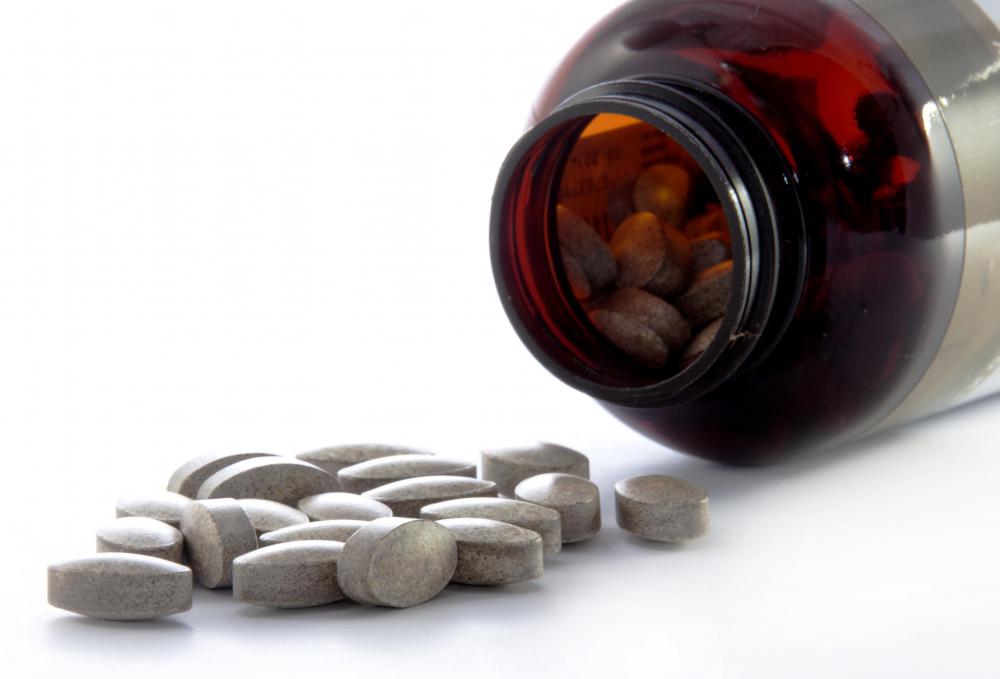
In most cases, all vitamins and herbal supplements should be stopped one to two weeks before the operation. Some supplements, including vitamin E, garlic, and ginkgo, may cause bleeding problems, for example. If you're taking any nutritional supplements, let your health care provider know well in advance of your procedure.
You should also tell your medical provider about any medications you are on, including over-the-counter drugs. Many medicines can affect increase bleeding, raise or lower blood pressure, and even make anesthesia last longer. Aspirin and ibuprofen should not be taken two weeks before surgery. Ask your health care team if you should continue taking any prescription drugs.
Emergency Situations
Ultimately, the restrictions on eating before surgery are precautionary measures. Obviously, emergency operations are performed on people who have eaten before the procedure, and when the choice is between saving a patient's life or waiting, the surgery will go forward. However, for elective or scheduled procedures, eating before surgery should be avoided. If you do end up drinking or eating for any reason, tell the surgeon and let the medical team decide whether or not to move forward.
Mary McMahon
Ever since she began contributing to the site several years ago, Mary has embraced the exciting challenge of being a TheHealthBoard researcher and writer. Mary has a liberal arts degree from Goddard College and spends her free time reading, cooking, and exploring the great outdoors.
Learn more...
Mary McMahon
Ever since she began contributing to the site several years ago, Mary has embraced the exciting challenge of being a TheHealthBoard researcher and writer. Mary has a liberal arts degree from Goddard College and spends her free time reading, cooking, and exploring the great outdoors.
Learn more...AS FEATURED ON:
AS FEATURED ON:


-
![You should abstain from alcohol for at least one week before surgery.]() By: volffYou should abstain from alcohol for at least one week before surgery.
By: volffYou should abstain from alcohol for at least one week before surgery. -
![Medical professionals recommend that you stop taking any medications or supplements at least one week before surgery.]() By: compuinfotoMedical professionals recommend that you stop taking any medications or supplements at least one week before surgery.
By: compuinfotoMedical professionals recommend that you stop taking any medications or supplements at least one week before surgery. -
![Patients should not suck on hard candy before surgery.]() By: knostpixPatients should not suck on hard candy before surgery.
By: knostpixPatients should not suck on hard candy before surgery. -
![Patients are often asked to fast before receiving general anesthesia.]() By: reflektastudiosPatients are often asked to fast before receiving general anesthesia.
By: reflektastudiosPatients are often asked to fast before receiving general anesthesia. -
![Fatty foods, like pizza, take a long time to digest, so shouldn't be eaten the night before an operation.]() By: Kayros StudioFatty foods, like pizza, take a long time to digest, so shouldn't be eaten the night before an operation.
By: Kayros StudioFatty foods, like pizza, take a long time to digest, so shouldn't be eaten the night before an operation. -
![In addition to not eating, it's best for individuals undergoing surgery to not smoke 24 hours before an operation.]() By: Nomad_SoulIn addition to not eating, it's best for individuals undergoing surgery to not smoke 24 hours before an operation.
By: Nomad_SoulIn addition to not eating, it's best for individuals undergoing surgery to not smoke 24 hours before an operation. -
![Aspirin should not be taken two weeks before surgery.]() By: blueskies9Aspirin should not be taken two weeks before surgery.
By: blueskies9Aspirin should not be taken two weeks before surgery. -
![Anesthesia is well known for causing nausea and vomiting.]() By: jedi-masterAnesthesia is well known for causing nausea and vomiting.
By: jedi-masterAnesthesia is well known for causing nausea and vomiting.






Discussion Comments
So how screwed would I be if I had three or four sips of coffee that had just a wee bit of cream in it?
@anon310733: Sometimes the pre-surgery rules are more for the surgical team than for you. It may be that being put under anesthesia for your procedure could relax your bowels, causing a big, unsanitary mess for the surgery team if you had something to contribute.
I'm never quite sure why doctors ask me to stop eating or drinking before surgery, but I guess they've experienced what can happen if I don't follow the plan. Choking on your own vomit, for example, is no joke. People can get chemical pneumonia from that, or burn up their esophagus. If they want me to evacuate my bowels before surgery, I'm just going to do it.
Why would I need to take a drink to empty my bowels before having moles removed from my leg?
Turns out that smoking isn't much of a factor, although doctors have been slow to incorporate the research findings into their practice. Going through withdrawal very close to the time of the surgery does not help at all. The patient needs to quit months in advance to show any benefit at all.
it depends on the type of surgery you're getting.
Bowel surgery often needs empty bowels, so you may be put on 'nothing by mouth' longer than if you where getting a cataract surgery, for instance.
Furthermore, hospital logistics sometimes call for longer nbm times. For instance, if you're scheduled second in the morning and your estimated surgery time is about one hour, the patient after you has a surgery time of 15 minutes.
Then, for example there is a major car accident, and two people have to get surgery right away, causing scheduled operations to delay. The surgeon decides to perform surgery on the patient after you (15 minutes on the table) and postpone your surgery (one hour) so the OR is ready for the trauma patients in time.
So, the patient after you still can get surgery because he was on a 12 hour nbm.
This 'problem' mainly arises in hospitals with trauma support and/or not having a emergency OR or staff.
Scientific research showed that outcome of patients is better if nbm time is shorter, so for many surgeries, the doctor orders a shorter nbm time or instead of solid food, liquids or special nutritional drinks.
Furthermore, please follow the advice as given by your doctor. The risk of aspiration, or not fully empty bowels and or stomach is not to be ignored.
Cancellation, postponing, complications (like infections etc), longer hospitalization and even death do still occur.
Someone asked for a list of complications. Well, here's a start (remember it depends on the type of surgery):
Aspiration (most common, also most feared. high risk of developing aspiration pneumonia.)
Xonstipation/obstipation (due to decreased bowel motility and use of painkillers post-op).
Suture leakage when having bowel surgery due to moving foods in the bowel the surgery site is ruptured, which increases the risk for bleeding, peritonitis, infection, etc.
Reflux during surgery due to the use of muscle relaxants, positioning of the body during surgery, etc. etc. may carry a high risk of reflux.
May cause nausea and vomiting (although the nbm status also can cause nausea). Regards, a health care worker
I have surgery this morning. Have to be there by 6:15 but surgery isn't till 7:30-7:40 a.m. The last time I ate was about 7 p.m., but I didn't know you shouldn't have a big meal. And then I took some medicine at 1 a.m. I hope that doesn't mean I will vomit during my procedure. I'm so scared.
I am having a latte right now, it's 10 am, and my surgery for a D&C is scheduled at 3:10 p.m. I'm hoping that's okay. I can't live without my coffee! If I remember, I'll post the results.
Some operations, such as those to fix detached retinas, are so time critical that most people would be better off having them right away. Vomiting during anesthesia isn't that likely - I've put things in my stomach just before an operation and not told anyone. And if I were told I had a detached retina and was asked when the last time I had food or drink was, I would say eight hours ago even if it were less than 30 minutes.
Any idea why my doctor would tell me not to drink any fluids eight hours before my scheduled hysterectomy? Four hours seems like plenty of time to empty my stomach and bladder!
Not eating for 17 hours prior to surgery is completely unnecessary. You should not eat up to eight hours before surgery. You can have clear liquids up to two hours prior to surgery. No candy or gum. This is what we follow at our surgery center.
Re: I want a list of complications that can occur if one were to eat or drink before surgery!
How about the fact you can die? If the patient vomits while being anesthetized, there is a risk that the vomit could be aspirated into the lungs. This can be extremely dangerous and sometimes fatal if not addressed.
I have to get my knee scoped tomorrow for a torn meniscus. I have to report to the surgical center at 5PM, however they advised me to not eat or drink after 12 midnight tonight! That's 17 hours, plus surgery and recovery time! Does that seem extreme?
I want a list of complications that can occur if one were to eat or drink before surgery!
I am having surgery for my trigger finger and have been advised not to eat/drink six hours before. I am really worried as I get migraines and vomiting if I am hungry. Is it OK if I just sip or even have a cracker? thanks
Usually you are a little nervous before surgery anyway, so eating is not something that you want to do. It is much easier on the body not to be burdened with food, and digestion.
Post your comments