
At AllThingsNature, we're committed to delivering accurate, trustworthy information. Our expert-authored content is rigorously fact-checked and sourced from credible authorities. Discover how we uphold the highest standards in providing you with reliable knowledge.
Why are Dams Potentially Harmful to Fish?
 Mary McMahon
Mary McMahon
Mary McMahon
Dams are barriers erected in flowing water to create reservoirs and lakes. They are constructed by humans for a variety of reasons, including to prevent flood damage, to generate electricity, and to store water, among others. Ones that humans built have been in existence for over 2,000 years, and it is estimated that over half of the world's major rivers are dammed in at least one place, causing a profound environmental impact. There is a great deal of debate over the impact caused by damming, and one of the areas of contention is the effect on fish and aquatic life. Dams can change sediment patterns, obstruct migration, and affect the quality of water.
When dams are constructed, they instantly alter the body of water they are installed in. In many instances, they are built to control the flow of water, in rivers such as the Nile, for example. Changing currents have an effect on the aquatic ecosystem, however, and usually on the wider environment in general, as discovered in Egypt after the construction of the Aswan Dam.

The first thing to be affected by a dam is the flow of sediment, which is usually picked up along banks and stream beds and carried downstream. Sediment collects behind dam, rather than continuing to flow out with the river, and as a result, the water bed below the dam eventually becomes rocky and scoured clean of sediment. Aquatic plants are unable to thrive, and the nutrients in the sediment that nourish fish and other aquatic life are no longer available, sometimes causing extinction in large numbers.

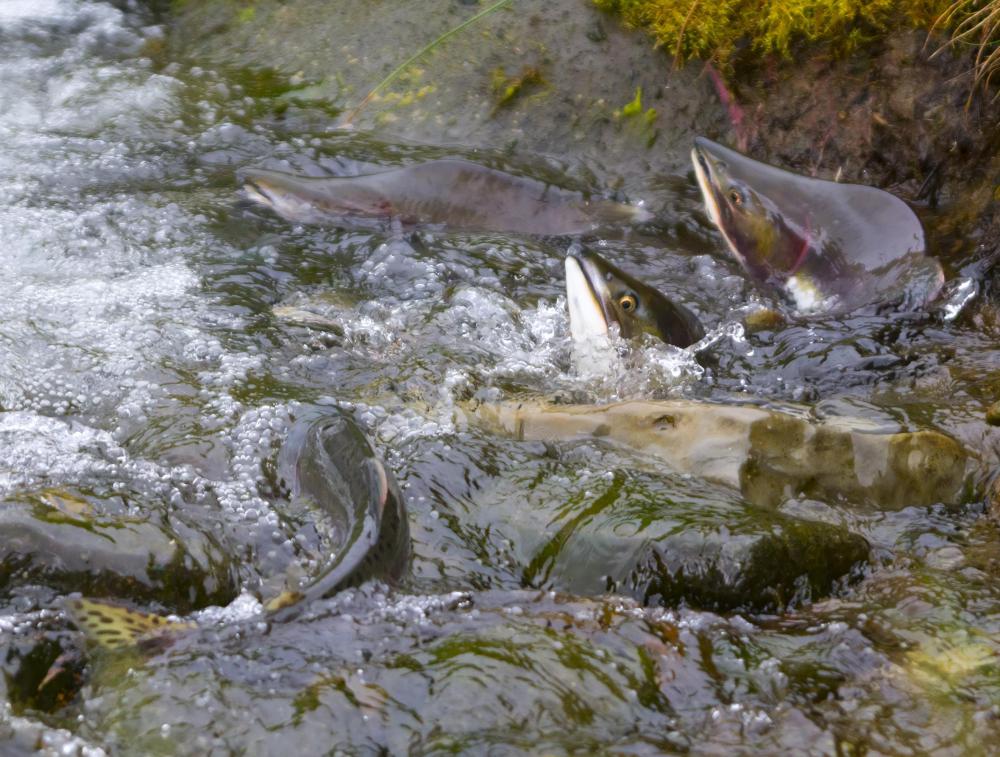
The most obvious impact that a dam has on fish is that it obstructs migration. For some species, such as salmon, which spawn in rivers and then swim out to sea, this can be devastating. For others, being unable to travel up the river means that there is not as much species diversity. Many dams in the latter part of the 20th century were built with fish ladders and other modifications designed to allow the passage of fish, but many are unable to use the ladders or die in the machinery of the dam. This has a profound impact on fish populations.

Dams also decrease the rate of migration, exposing sensitive fish species to predators that may lurk in slower flowing water. In the case of salmon, navigating multiple dams and contending with predators also affects the internal biological changes that allow them to switch from being freshwater fish to saltwater fish.
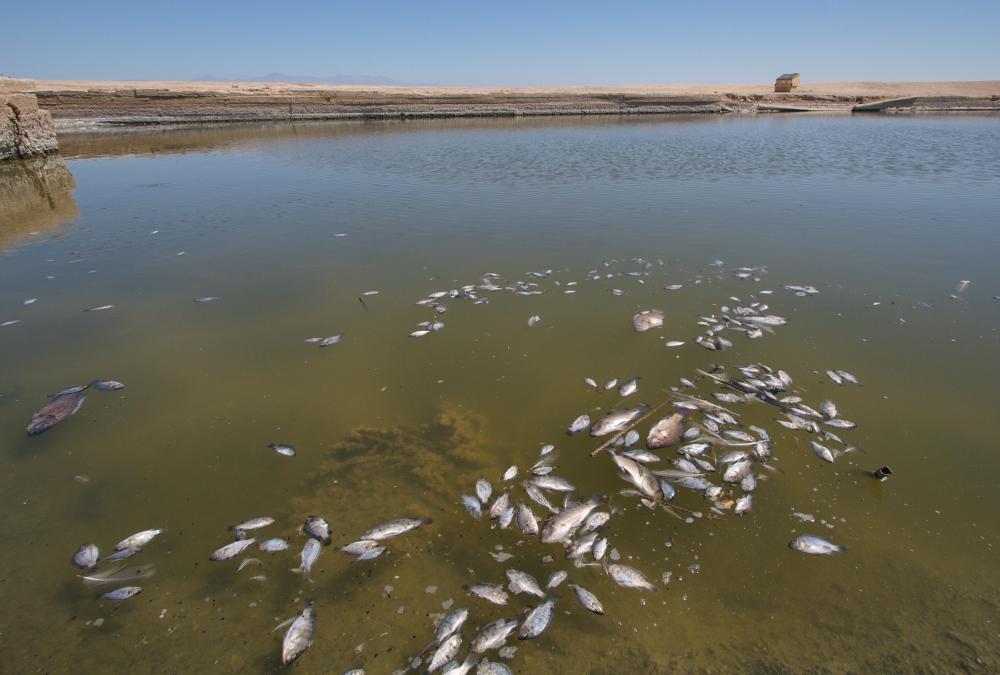
Water quality directly behind dams is also affected, because they tend to collect pollutants along with sediment, which must be released and controlled in some way. Especially in the case of deep structures, thermal stratification develops because there is no current to mix the water. As a result, the deeper water is very cold and has poor oxygen circulation, while the surface water is warmer than usual. When colder deep water is released, it can cause serious problems downstream for fish and other aquatic life due to its poor oxygenation and the toxins it may carry.
Frequently Asked Questions
How do dams impact fish migration patterns?

Dams can severely disrupt fish migration by creating barriers that prevent species from reaching their traditional breeding or feeding grounds. For instance, salmon are well-known for their upstream migrations to spawn, but dams can block their path, leading to population declines. Fish ladders and bypass systems are sometimes used to mitigate this, but they are not always effective.
What are the consequences of altered water flow due to dams?

Altered water flow from dams can change river temperatures, sediment transport, and the timing of natural flow events, which are crucial for fish life cycles. According to the World Wildlife Fund, such changes can affect spawning cues and the availability of suitable habitat, leading to reduced fish populations and biodiversity loss.
Do dams affect the water quality and how does this impact fish?

Dams can lead to poorer water quality by reducing the river's ability to cleanse itself, causing oxygen levels to drop and pollutants to accumulate. This creates a hostile environment for fish, which can suffer from increased stress, disease, and mortality. The stagnant water in reservoirs can also lead to algal blooms that further degrade water quality.
Can the construction of dams lead to fish species extinction?
The construction of dams has been linked to the decline and even extinction of fish species. The interruption of natural river ecosystems can eliminate critical habitats and disrupt food chains. According to the International Union for Conservation of Nature, numerous freshwater fish species are at risk due to habitat alteration from damming.
How do dams affect the genetic diversity of fish populations?
Dams can isolate fish populations, leading to reduced genetic diversity as the separated groups are unable to interbreed. This loss of genetic exchange can make fish populations more vulnerable to diseases, environmental changes, and reduce their ability to adapt to new conditions, potentially threatening their long-term survival.
What measures can be taken to reduce the impact of dams on fish?
To reduce the impact of dams on fish, measures such as fish ladders, bypass channels, and dam removal have been implemented. Environmental flow releases can mimic natural river conditions, and sediment management can help maintain habitat downstream. Ongoing research and monitoring are essential to improve mitigation strategies and ensure the health of aquatic ecosystems.
Mary McMahon
Ever since she began contributing to the site several years ago, Mary has embraced the exciting challenge of being a AllThingsNature researcher and writer. Mary has a liberal arts degree from Goddard College and spends her free time reading, cooking, and exploring the great outdoors.
Learn more...
Mary McMahon
Ever since she began contributing to the site several years ago, Mary has embraced the exciting challenge of being a AllThingsNature researcher and writer. Mary has a liberal arts degree from Goddard College and spends her free time reading, cooking, and exploring the great outdoors.
Learn more...AS FEATURED ON:
AS FEATURED ON:









-
![Waters directly behind dams tend to collect pollutants and have poor oxygenation levels, which can drastically impact fish populations.]() By: Paper GirlWaters directly behind dams tend to collect pollutants and have poor oxygenation levels, which can drastically impact fish populations.
By: Paper GirlWaters directly behind dams tend to collect pollutants and have poor oxygenation levels, which can drastically impact fish populations. -
![Dams may affect the rate of fish migration, which can expose fish to lurking predators in slower flowing water.]() By: max5128Dams may affect the rate of fish migration, which can expose fish to lurking predators in slower flowing water.
By: max5128Dams may affect the rate of fish migration, which can expose fish to lurking predators in slower flowing water. -
![Salmon spawn in rivers, so dams can prevent their migration.]() By: Witold KrasowskiSalmon spawn in rivers, so dams can prevent their migration.
By: Witold KrasowskiSalmon spawn in rivers, so dams can prevent their migration. -
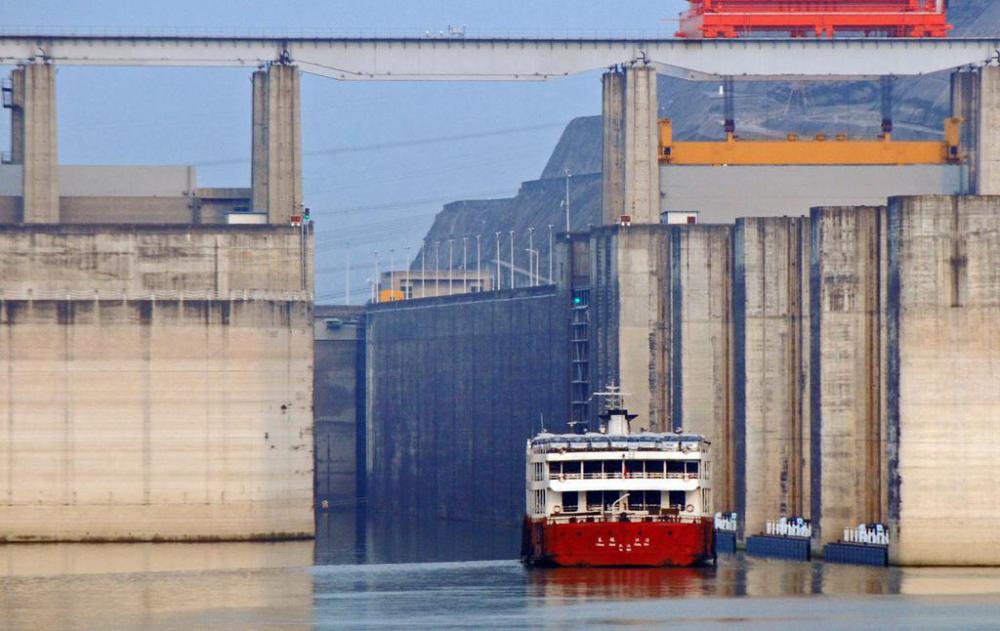
![A ship going through a lock at the Three Gorges Dam. The dam has had serious effects on fish in the Yangtze River.]() By: Harvey BarrisonA ship going through a lock at the Three Gorges Dam. The dam has had serious effects on fish in the Yangtze River.
By: Harvey BarrisonA ship going through a lock at the Three Gorges Dam. The dam has had serious effects on fish in the Yangtze River. -
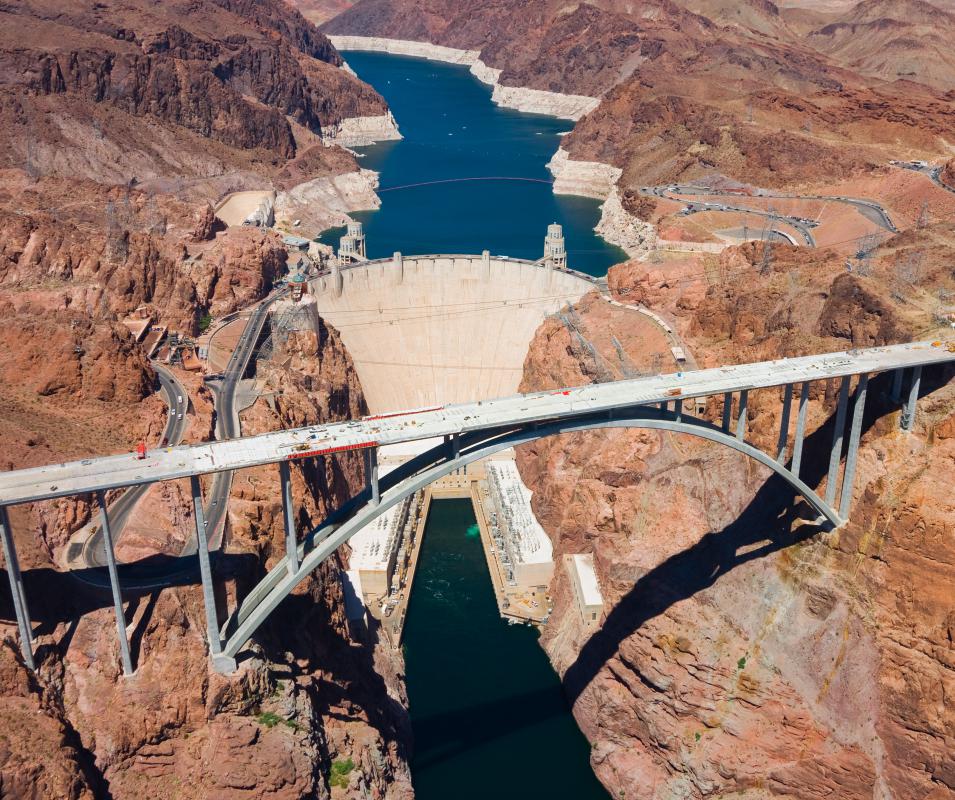
![Several species of fish native to the Colorado River are endangered because of the Hoover Dam.]() By: AndySeveral species of fish native to the Colorado River are endangered because of the Hoover Dam.
By: AndySeveral species of fish native to the Colorado River are endangered because of the Hoover Dam. -
![Dams can change sediment patterns, obstruct migration and affect water quality.]() By: SiberiaDams can change sediment patterns, obstruct migration and affect water quality.
By: SiberiaDams can change sediment patterns, obstruct migration and affect water quality.


Discussion Comments
@Glasshouse: Check out DB-Sediments. They have a way for a sustainable sediment flow.
I saw a presentation in October on the German American water
technology roundtable in Milwaukee, WI. Looked interesting to me and could be a solution for this problem.
@ PelesTears- You ask a great question. Sedimentation has been an issue that the dam industry has been researching for some 60 years. It is not as simple as pumping the sediments through the dam and out the other side. Many dams are suffering from sedimentation that is occurring at a much faster rate than predicted. Sedimentation not only affects the environment, but it affects the operational lifetime of the dam. Sediment flow through dam outlets causes turbine blades to crack, and increases in sedimentation decrease the amount of water a dam's reservoir can hold.
The best known solution to preventing sedimentation build up is to prevent excess sedimentation in the first place. Preventing riverbank soil erosion is the best way to decrease watershed sedimentation rates, as well as toxic pollutant build-up in the sediment a reservoir collects. I could go on and on, but I will stop here.
@ Pelestears- I do not know what can be done to fix existing dams so that they do not trap sediments and cause so much downstream erosion, but I do n=know that sedimentation is a problem when decommissioning a dam. If the sediment behind a dam has too many toxins in it, like some older dams that have high levels of dioxin build-up, then when the dam is removed the river is flooded with toxic silt. This can cause even more damage to downstream ecosystems.
Engineers often need to study the effects of sediment release before a dam can be decommissioned. In many cases, the amount of sediment released during decommissioning needs to be controlled to comply with environmental regulations.
What a great article. I only knew about the effects of dams on migrating fish populations. I never knew dams caused so many problems with sedimentation and pollutant concentrations. Does anyone know if there are any proposed solutions to the problem of sediment becoming stuck behind the dam wall? Is there any way to cause sediment to flow through the dam with the water? Do any of the more famous dams manage the sediment build-up, and if so, how do they do it?
Post your comments