
At TheHealthBoard, we're committed to delivering accurate, trustworthy information. Our expert-authored content is rigorously fact-checked and sourced from credible authorities. Discover how we uphold the highest standards in providing you with reliable knowledge.
Which Foods are Good Sources of Potassium?
 Mary McMahon
Mary McMahon
Mary McMahon
Potassium is a crucial part of the human diet, and helps to maintain the electrolyte balance in the body, keeping all of the cells of the body running smoothly together. It is recommended that normal, active adults consume 3,500 milligrams a day, with some athletes needing more to replace lost electrolytes. In addition to supplements, a wide range of foods are excellent sources of potassium, along with other useful vitamins and minerals.
In the body, potassium primarily occurs inside the cells, where it regulates cell respiration. It is also involved in muscle contractions for all the muscles in the body, including the heart, which means that a deficiency, called hypokalemia, could potentially result in heart failure, as the heart cannot beat without sufficient potassium. Fortunately for most humans, hypokalemia is rarely allowed to progress to this stage, and it is easily treatable with supplements and foods high in this mineral, such as bananas.

Several major food groups are high in potassium including white meats, root vegetables, and fresh fruit, along with dairy. If prepared in a healthy way, they will also contribute to a healthy and balanced diet. If you are consuming a food for its potassium, try to eat it raw, if possible. Otherwise, bake it or include it in a soup: frying or boiling reduces the amount of available mineral, along with many other nutrients.

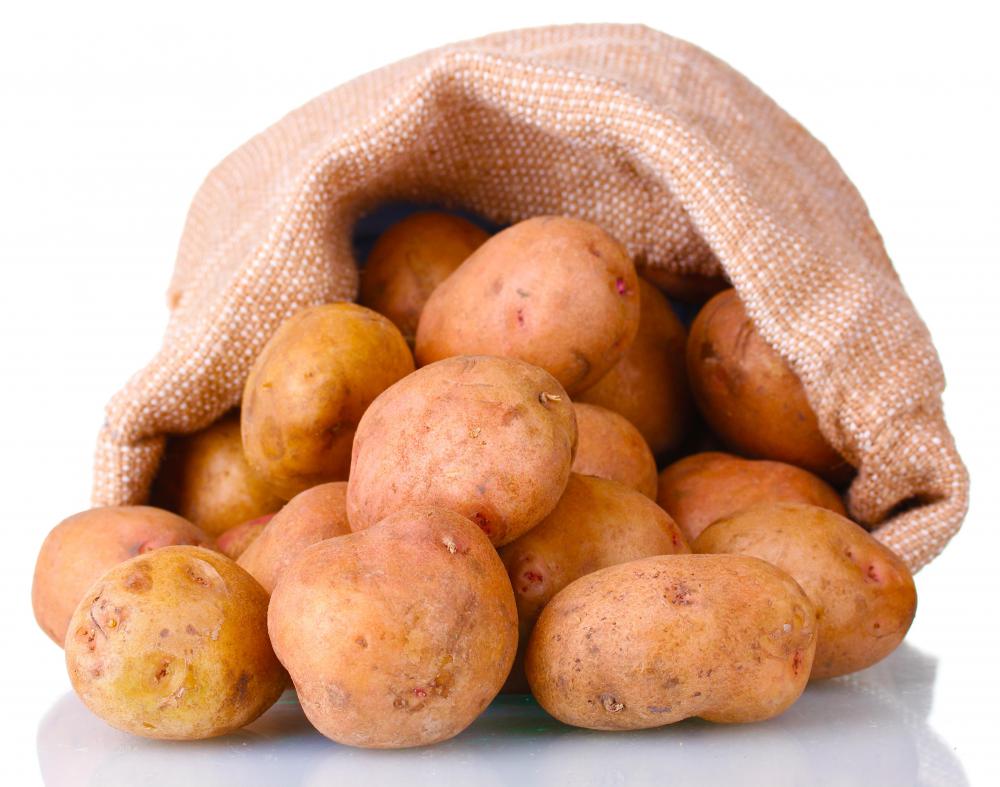
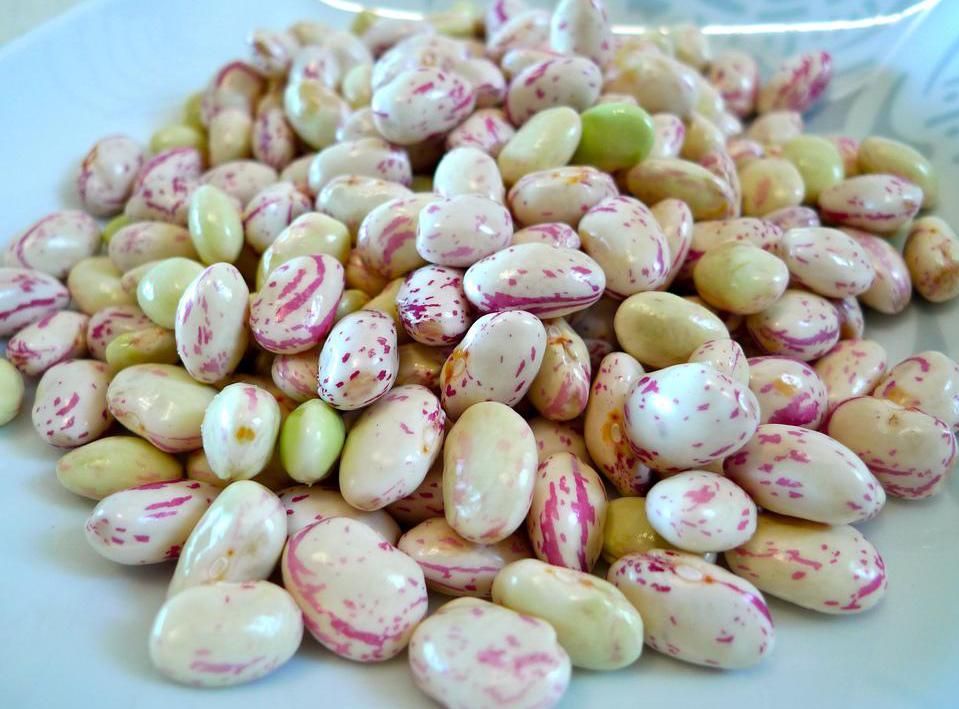
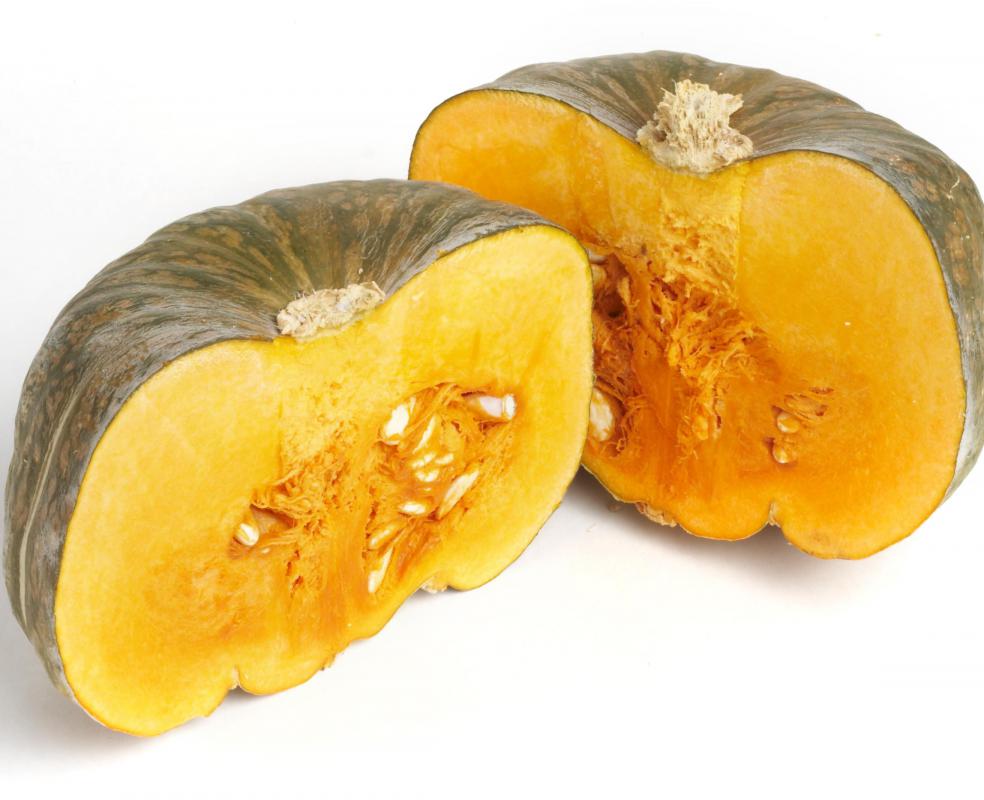
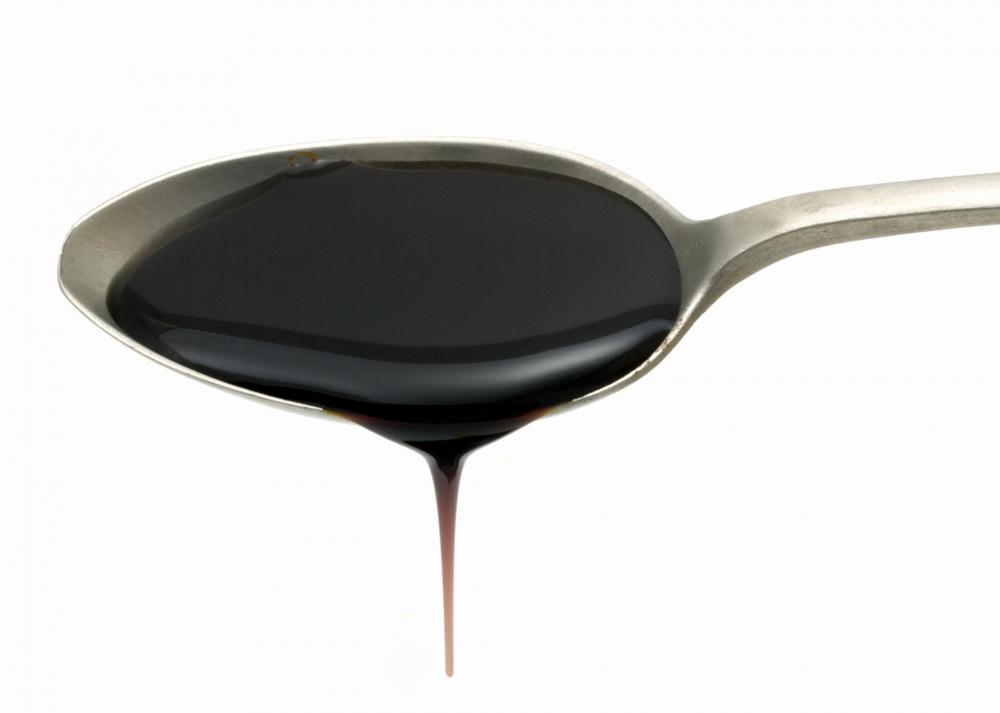
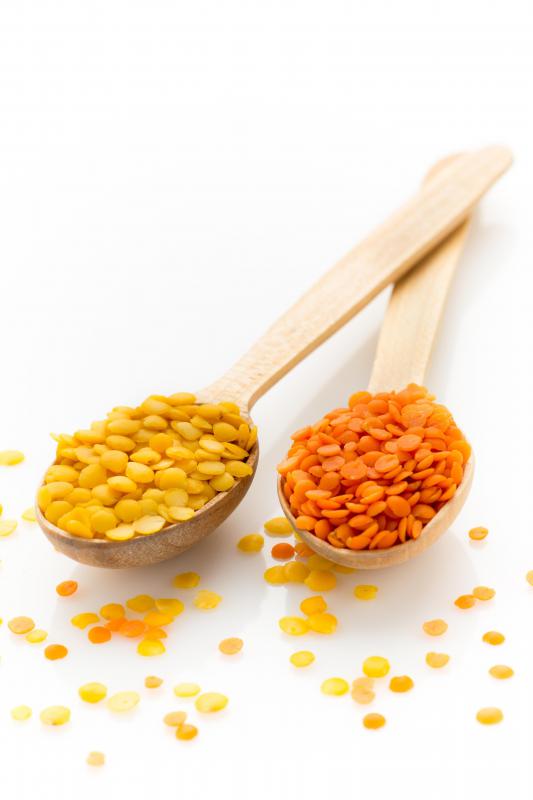
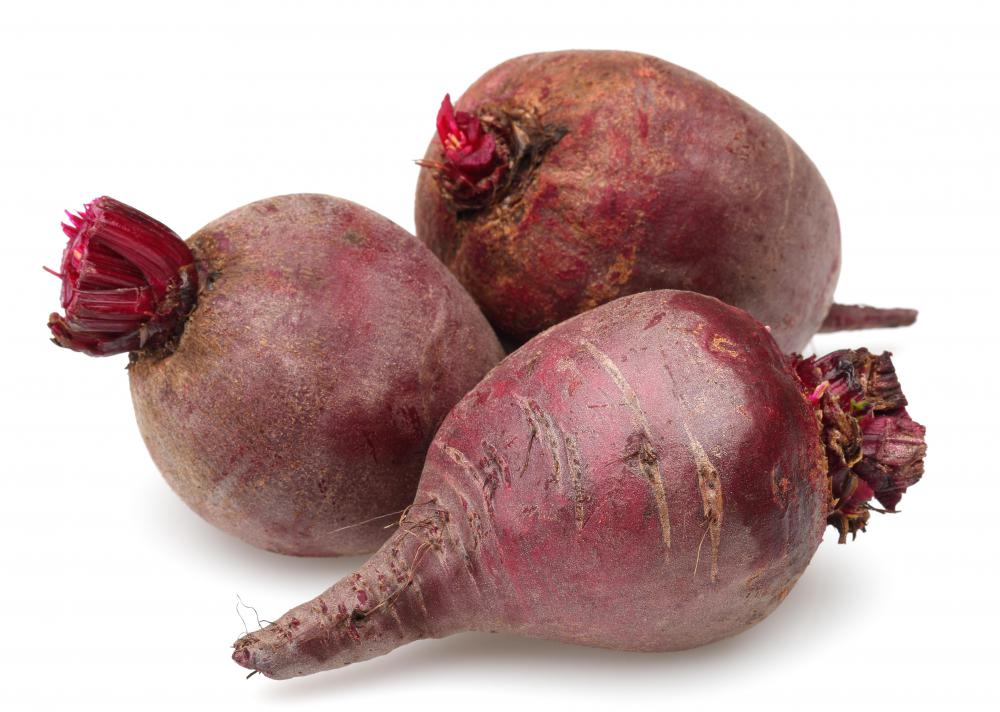
All of the following foods have potassium values per 1 cup serving greater than 400 milligrams, and many approach 700 milligrams. Root vegetables including potatoes, beets, parsnips, turnips, and rutabagas are the highest in potassium, and are delicious in roasts: a single baked potato with skin has 700 milligrams. Melons, peaches, avocados, tomatoes, and bananas are all high in potassium as well, and can be eaten raw, mixed in fruit salads, and included in a variety of dishes. In addition, squash, lentils, and beans have a lot: try roasting squash, or using beans and lentils in a healthy soup. In addition to having high calcium levels, fish and white meat also have high potassium levels along with whole milk, yogurt, and buttermilk. Finally, raw nuts also have a great deal, usually packing 200 milligrams or more per ounce, and one tablespoon of molasses has almost 300 milligrams.
Given the wide variety of potassium rich foods, most people should not suffer from a deficiency as long as they are eating a balanced and healthy diet. If you are concerned about your level of intake, discuss it with a medical doctor.
Mary McMahon
Ever since she began contributing to the site several years ago, Mary has embraced the exciting challenge of being a TheHealthBoard researcher and writer. Mary has a liberal arts degree from Goddard College and spends her free time reading, cooking, and exploring the great outdoors.
Learn more...
Mary McMahon
Ever since she began contributing to the site several years ago, Mary has embraced the exciting challenge of being a TheHealthBoard researcher and writer. Mary has a liberal arts degree from Goddard College and spends her free time reading, cooking, and exploring the great outdoors.
Learn more...AS FEATURED ON:
AS FEATURED ON:


-
![Potatoes are very high in potassium.]() By: Africa StudioPotatoes are very high in potassium.
By: Africa StudioPotatoes are very high in potassium. -
![Yogurt is high in calcium and potassium.]()
Yogurt is high in calcium and potassium. -
![Beans are a good source of potassium.]() By: Ann Larie ValentineBeans are a good source of potassium.
By: Ann Larie ValentineBeans are a good source of potassium. -
![Melons are high in potassium.]()
Melons are high in potassium. -
![Bananas contain potassium.]()
Bananas contain potassium. -
![Squash is a good source of potassium.]() By: zach123Squash is a good source of potassium.
By: zach123Squash is a good source of potassium. -
![One tablespoon of molasses has around 300 mg of potassium.]() By: PefkosOne tablespoon of molasses has around 300 mg of potassium.
By: PefkosOne tablespoon of molasses has around 300 mg of potassium. -
![Peaches are high in potassium.]() By: Anna KucherovaPeaches are high in potassium.
By: Anna KucherovaPeaches are high in potassium. -
![Avocado is high in potassium.]() By: Richard VillalonAvocado is high in potassium.
By: Richard VillalonAvocado is high in potassium. -
![Lentils are high in potassium.]() By: gitusikLentils are high in potassium.
By: gitusikLentils are high in potassium. -
![Beets are high in potassium.]() By: matesBeets are high in potassium.
By: matesBeets are high in potassium. -
![Rutabagas and other root vegetables are extremely good sources of potassium.]() By: snyferRutabagas and other root vegetables are extremely good sources of potassium.
By: snyferRutabagas and other root vegetables are extremely good sources of potassium. -
![Kiwis are packed with potassium, an essential mineral that helps the body maintain proper levels of hydration and electrolytes.]() By: monticelllloKiwis are packed with potassium, an essential mineral that helps the body maintain proper levels of hydration and electrolytes.
By: monticelllloKiwis are packed with potassium, an essential mineral that helps the body maintain proper levels of hydration and electrolytes.







Discussion Comments
I almost died last week with a microcardia artifibulation. The doctors said I lacked potassium, so they had to give me am emergency assist and gave me a glass of potassium and also two IVs with potassium that felt like they were burning my arm, so get a diet with enough potassium.
Try putting a bar of soap under your legs when you sleep, cheap, unperfumed soap works best. You need to replace the bar of soap every few weeks.
need potassium but hate banana, try coconut water, 330 mL of coconut water equals to 1 banana, or try dates, 2 large dates have 570mg of potassium, a banana 400mg to 500mg.
For the record: Brazil nuts are not banned in the UK! Nor is any other food as far as I am aware. By the way, chocolate coated Brazils are very popular over here!
I read somewhere that Brazil Nuts can cause muscle cramps. Brazil Nuts are banned in the U.K.
Calcium and Magnesium also helps prevent muscle cramps.
I get the leg cramps in the evening and at night. I doubt very seriously that they are due to potassium deficiency as I have high potassium due to kidney disease from type 1 diabetes. What could my problem be? I am on a low potassium diet. Thanks
You should stretch once a day if you work out or do frequent exercise.
When you are potassium deficient, muscles don't relax. REM sleep is like rebooting a computer. All of your skeletal muscles are shut down. They are not given a signal to relax but all signals for contracting are turned off. High muscle voltage is relaxed, the contraction of a muscle is a low voltage condition.
When every skeletal muscle in the body is allowed to relax at the same time, during a REM sleep reboot and there is not enough potassium available (potassium=voltage) then the large skeletal muscles of the legs will cramp, or contract without being told to. After all your entire body is powered by potassium ion voltage. Nerves, muscles, brain cell, the mitochondria of every cell, and the potassium required for your bloods electrolyte balance.
Your blood or serum potassium level never gets low. Blood does the best it can to provide potassium to vital systems such as the heart and brain. To do this during the day, the blood borrows slowly but surely, as needed, from blood vessel walls (high blood pressure) and bone.
I am lactose intolerant and an athlete and hate the taste of bananas and tomatoes. I am debating about whether to just start taking potassium and calcium. I get horrid cramps in my sides when i am running and they are unbearable. any suggestions?
I had serious leg and foot cramps and would wake up in pain almost every night. Neurologist was no help. Primary care doc said to drink four to six oz tonic water. (I get the diet kind) and mix with five oz of 50/50 Tropicana OJ as can't stand the taste of tonic water. It solved my problem and have not had any attacks for two three months now.
If you take a diuretic, particularly one that is not "potassium sparing", you need a potassium supplement or a vigilant diet to get a little more than the RDA to make up for it. Lasix is not potassium sparing. But it's a good, cheap drug for many with high blood pressure, or fluid retention from liver disease for example. Aldactone, even the generic, is around 100.00 for a three month supply, but it is potassium sparing.
It's important to remember your heart is a muscle, too, Also, though some people need to supplement rather than rely solely on food, too much is not safe either, especially for your heart and kidneys. Talk to your physician. And while exercise can cause cramping as the muscles produce lactic acid, frequent episodes as described in these posts are suggestive of deficiency to some degree.
I've always had severe cramping in every muscle in my body (since teens, now 69 years). One doctor gave me IV calcium which helped, but I can't afford it but started taking a good brand of calcium even though I'm using a lot of dairy products.
A nurse friend told me to add Canada Dry tonic water with quinine. This also helps. The doc recently told me it is most likely from potassium deficiency so I added one tablet a day to see if that helps. Bananas and avocados are good also but bananas give me lots of gas. Love avocados too but lots of calories.
Right now am combining all of the above (calcium supplement, K+ supplement, 8 oz of tonic water daily, and the food items fairly often). It all helps but I have to stick with it or really start having trouble again.
You can quickly get rid of a charley horse (in the middle of it happening, or right when you feel it coming) by bending your tows up and down. This has never failed me yet! Also, move your foot up and down at the ankle. Alternate between the two.
to anon17940 - if you have a hard time standing up for a long time, it may be due to circulation problems in your legs and feet. I have difficulties standing for a long period of time (over 10 minutes). After that, I start looking for a place to sit down. there is medication that helps that problem but you need to have the tests. go to a low-income clinic. They have great doctors that volunteer their time and costs very little depending on your income. I went to one for a couple of years when I was in school and had no insurance. the medication was also at a reduced price. hope this helps.
I used to have "charley horses" in my legs at night, sometimes several times a night. I have jumped out of bed only to almost fall because of the cramp and pull of my muscle. They are usually caused by a loss of potassium in urine especially in people taking diuretics or walking a lot when you have diminished circulation in the legs/feet. I found "Legatrin" years ago when it was just Calcium and Magnesium. I used it until the makers of Legatrin started putting a sleeping aid in the pill and stopped making the original pill. You can't use it during the day and drive or try to work so I just bought a large bottle of calcium and magnesium tablets separately. I can take the amount I want when I want to. I rarely have a cramp unless I walk a lot during the day. These two tablets usually end the cramps within seconds or a minute.
A very good food product that helps the body absorb nutrients is Kefir, a culture added to milk like yogurt - it is very beneficial for many problems. It is much healthier if you make it yourself. Find the culture at a health food store, and use the freshest milk, it's quite easy to make.
For muscle cramps in legs, back, toes you name it I've used Magnesium Oil. Comes from the sea and is water based. Every cramp I've had, disappeared in about 3 to 10 seconds.
I've heard that B12 is also pretty essential, in combination with potassium, to get your muscles firing on all cylinders. Just some anecdotal stuff I heard, but unless you're vegan, you should be swimming in B12 anyway.
to the person who said
"why is that i can't stand up when i feel muscle pain all over my legs.i already see a lot of doctor's about this problem. and they told me that, my body do not absorb the potassium. they told me to have some laboratory checkup. but i don't have enough money to spend for this tests. "
I have had the same problem for years. a few days a week I wake in the middle of the night with a charley horse in the middle of my left calf. the pain is debilitating and for years I was told to drink water when it happens to make it go away. This does not work but last year someone told me to eat a banana every night before bed and take a potassium pill as well. I reluctantly followed the instruction thinking that a banana is not going to help anything. I have not had a problem with my legs since. at least try it if it doesn't work you will be no worse off than you are right now, and at least you will be able to wait a bunch of bananas, YUM. now the only medical problem i suffer from is myoclonic jerks, but at least they are not painful.
My husband has had bad leg cramps for years and tried many things including bananas for leg cramps and even potassium pills. Nothing helped until a friend told him about grape juice and it works better than anything else.
why is that i can't stand up when i feel muscle pain all over my legs.i already see a lot of doctor's about this problem.and they told me that,my body do not absorb the potassium.they told me to have some laboratory checkup. but i don't have enough money to spend for this tests.
my son is very athletic and has recently started playing football. he has been getting cramps in his hamstrings. should i feed him more potassium rich foods to alleviate this problem?
I used to be a swimmer, so I'd get frequent calf cramps. I'd eat a banana every night before bed. Now a year later after quitting, I still get them, and often! Why is this?
At night when i get a cramp in my leg I quickly get out of the bed and stand on my feet putting more weight on the leg with the cramp. That move makes the cramp and the pain go away.
How can I relieve the muscle pains that I feel after having cramps?
Since potassium comes in a wide variety of foods, it is difficult to have dietary deficiency of potassium. One would have to really avoid all the fruits and vegetables, to be deficient.
Of course some medical conditions or medication might cause deficiency. It seems that chard has high levels of potassium.
Olittlewood - Yes, potassium deficiencies can cause muscle cramping, but are not the only cause. Eating foods rich in potassium should help alleviate cramps.
What causes violent leg cramps at night?
i've often heard that a potassium deficiency is related to muscle cramps. is this true? i can see that it may be related to those cramps you can get while exercising, but what about for those cramps in the middle of the night? if you get more potassium, should this help reduce the frequency of these types of cramps?
Post your comments