
At WiseGEEK, we're committed to delivering accurate, trustworthy information. Our expert-authored content is rigorously fact-checked and sourced from credible authorities. Discover how we uphold the highest standards in providing you with reliable knowledge.
Which 19th-Century States Were pro-Slavery?
At the beginning of the 19th century, almost all of the United States were or had recently been pro-slavery. At the founding of the country, human bondage was a widely accepted part of society, in large part because it was accepted in the European countries from which the first settlers came, particularly England and Holland. The 19th century was a pivotal one for the United States, though, since it was during this span of years that the American Civil War broke out. Among other things, this war concerned the legality and morality of slavery, and sharply divided the nation into states that were either for or against the practice. During that era, the United States was composed of fewer states than it is today, but the states to the north were generally considered to be opposed to slavery while southern states typically accepted the practice. By war’s end, the entire nation was technically anti-slavery and human bondage became illegal everywhere.
Civil War Basics

During the early 19th century, more pro-slavery states existed in relation to the total number of states. As that century progressed, more states became anti-slavery, but more states were also admitted to the Union. Slavery was one of the primary issues at the heart of the American Civil War, which was fought between 1861 and 1865. Most scholars agree that the triggering issue was whether or not slavery could be brought into the western territories, which were not yet states at that point. The true root of the conflict was about the larger and more overarching question of states’ power, though, and the extent to which states were and should be able to set their own policies, slavery included.

By the time the war broke out, most states in the far north were not practicing slavery, though most in the south were tolerating and sometimes even condoning it. When the northern states tried to force those in the south to change their laws, many states there threatened to secede from the union — and most ultimately did. They formed what they considered to be their own new country called the Confederate States of America. This entity lost the war against the remaining United States, and was reincorporated at the war’s end. As such, by 1865, the entire country was anti-slavery, and a constitutional amendment was written to ensure that it stayed that way.
Pro-Slavery South

Beginning with Maryland and Delaware and heading south, most of the states on the southern coast of the United States were considered “pro-slavery.” This covered Virginia, North Carolina, South Carolina, Georgia, Florida, Mississippi, Alabama, Louisiana, Tennessee, Arkansas, and Texas. Richmond, a city in Virginia, became the capital of the Confederacy, and Kentucky, where President Abraham Lincoln was born, also joined the Confederate ranks. Missouri permitted slavery, and the practice was also tolerated at points and in places in the newly expanded west. Most of what was known as the “Indian Territories” and the “New Mexico Territory” permitted slavery in most areas.
Anti-Slavery North

By the time the Civil War began, all of the New England states — which included Maine, New Hampshire, Vermont, Massachusetts, Rhode Island, and Connecticut — were anti-slavery states, as were New York, Pennsylvania, New Jersey, Ohio, Indiana, Michigan, Illinois, Wisconsin, Iowa, and Minnesota. On the west coast, California and Oregon were anti-slavery, as were some of the territories in between. Policies were harder to define in the territories, since these places lacked a coherent state government and were largely governed by the beliefs and ideologies of the landholders who were settling the regions.
At War’s End
After the Civil War ended with a Union victory, a constitutional amendment was written to abolish slavery throughout the United States. All states were then considered anti-slavery regardless of which side those states had chosen during the war. This happened in 1865, several months after President Lincoln was assassinated.
AS FEATURED ON:
AS FEATURED ON:









-
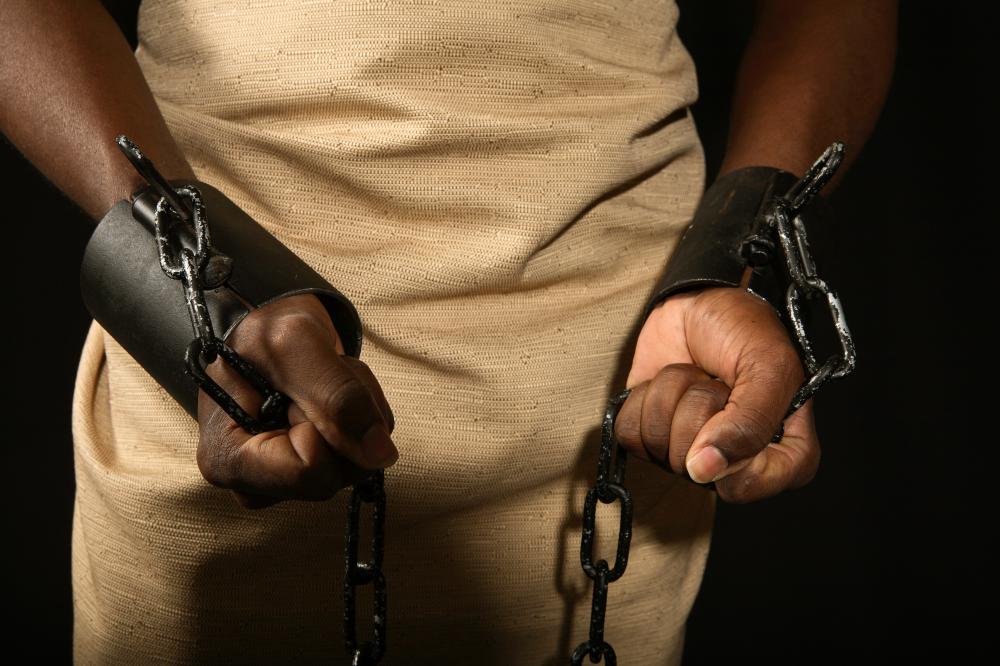
![Pro-slavery states were largely those in the South.]() By: iMAGINEPro-slavery states were largely those in the South.
By: iMAGINEPro-slavery states were largely those in the South. -
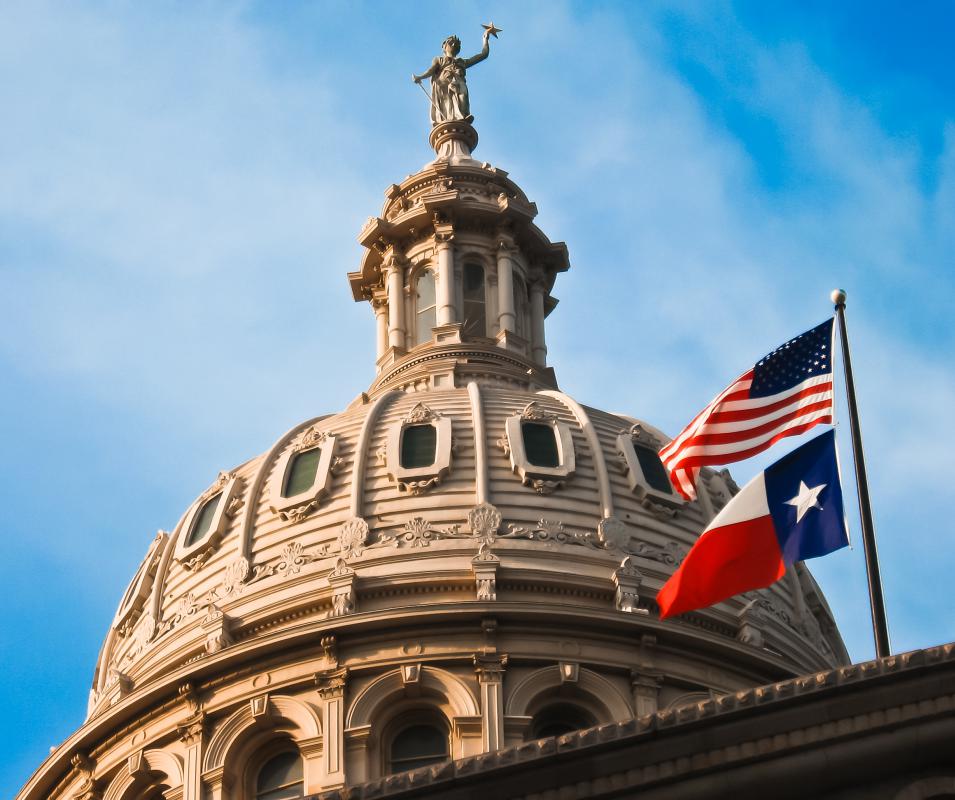
![Texas was a pro-slavery state at the start of the Civil War.]() By: cphotos100Texas was a pro-slavery state at the start of the Civil War.
By: cphotos100Texas was a pro-slavery state at the start of the Civil War. -
![African slaves were exchanged in the Americas for the raw materials that were used to make the European goods that were sold in Africa.]() By: Florida MemoryAfrican slaves were exchanged in the Americas for the raw materials that were used to make the European goods that were sold in Africa.
By: Florida MemoryAfrican slaves were exchanged in the Americas for the raw materials that were used to make the European goods that were sold in Africa. -
![When Lincoln became the 16th president, several more southern states seceded.]() By: Chuck AlexanderWhen Lincoln became the 16th president, several more southern states seceded.
By: Chuck AlexanderWhen Lincoln became the 16th president, several more southern states seceded.


Discussion Comments
@Pippinwhite -- Yeah, there's been a fair amount of revision of the history of the Civil War. You start reading the contemporary accounts and all of a sudden, you don't know nearly as much about it as you thought you did.
I've done a good bit of genealogy, and I had to go way back to the beginning of the 19th century before I found any ancestors who owned slaves, and they weren't even main branches of my family tree. My people were teachers, ministers and dirt farmers. They didn't own slaves. In fact, some of them probably arrived in this country as indentured servants.
Saying states were "pro slavery" does not necessarily mean that every person in every slaveholding state approved of the practice. There were pockets of abolitionists everywhere in the South.
It's also worth noting that fewer than 2 percent of Southerners ever owned slaves, and only about 10 percent of that number owned large plantations. Most slave-owning families had two or three slaves, at the most. This in no way indicates an approval of the practice, but perspective is vital when considering such a painful issue. While these states allowed slavery, it was the wealthy who owned them, and the wealthy, not surprisingly, who were in Congress. Slaves comprised a significant part of their wealth, so they were not anxious to free these people.
Post your comments