
At HomeQuestionsAnswered, we're committed to delivering accurate, trustworthy information. Our expert-authored content is rigorously fact-checked and sourced from credible authorities. Discover how we uphold the highest standards in providing you with reliable knowledge.
Where does Dust Come from?
The term "dust" is really a generic name for any type of small particle. Outdoors, the atmosphere is filled with various kinds of particles, from windblown soil to pollutants. In a house, it is largely made up of dead skin cells, fibers from clothing and other materials, pollen and dander, and tiny particles of dirt. Dust comes from objects in the environment, and from the people and animals that live in it.
Outdoor Dust

Outdoor dust comes from bits of whatever is in the environment, from plants and animals to soil. Ash from volcanoes, ocean salt, pollen and minute bits of decaying organic matter make up these outdoor particles, which can circulate globally. The entire environment, from plants to animals, is constantly shedding dead cells. Industrial plants add to particulate matter in the air, and seasonal fires add more ash. Road dust, which comes from vehicle exhaust, tire and other automotive part wear and tear, road materials, and other sources, is a significant contributor to air pollution in many areas.

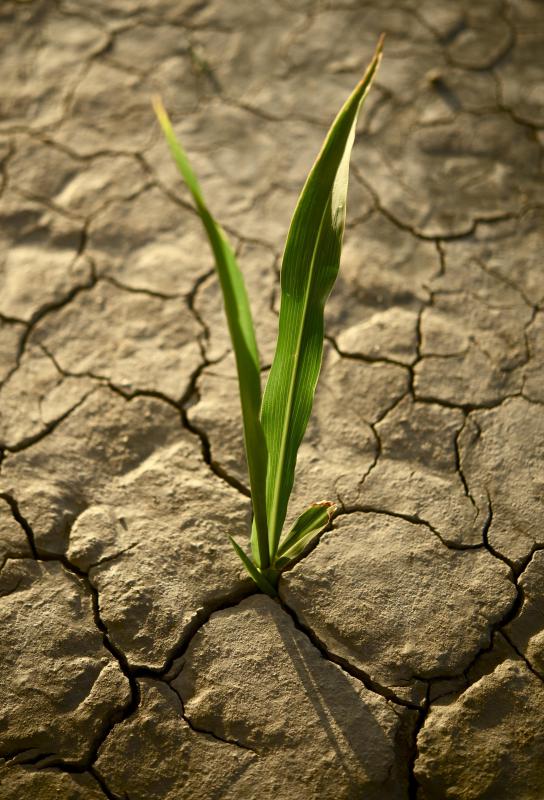
Areas that are arid or suffering from drought conditions are more prone to atmospheric dust. In the 1930s, for example, a combination of drought and agricultural practices caused farmland in the southern US Plains states to dry out. As the wind blew, it picked up the dry soil and carried it into the air, creating huge particle storms and "black blizzards." What became known as the Dust Bowl was resolved by a combination of soil conservation methods — including planting trees to help prevent continued soil erosion — and the natural end of the drought.
Indoor Dust

Though the air in most homes appears clear and clean, unless an air purifier or some other means of filtration is used, it contains quite a bit of dust. It comes largely from the people and animals that live or work there. It is estimated that humans lose 30,000 to 40,000 dead skin cells each and every minute, and these cells make up a large percentage of dust.

Furniture fabric, bedding, and clothes release fibers every time they are used or disturbed. Pets also contribute by shedding skin cells and hair. A good deal of dirt, pollen, mold, and other contaminants are brought into a home from the outside, where they add to indoor dust. If a home is carpeted, there are even more fibers being released into the air.
Dust Mites

Dust mites can be found nearly everywhere, and have been found living all over the world, except Antarctica. They are particularly drawn to mattresses and pillows, which are warm and moist, and where they feed on shed skin cells. Their fecal matter can trigger allergic reactions in some people, and this matter, along with dead mites, are also a part of house dust.
Getting Rid of Dust

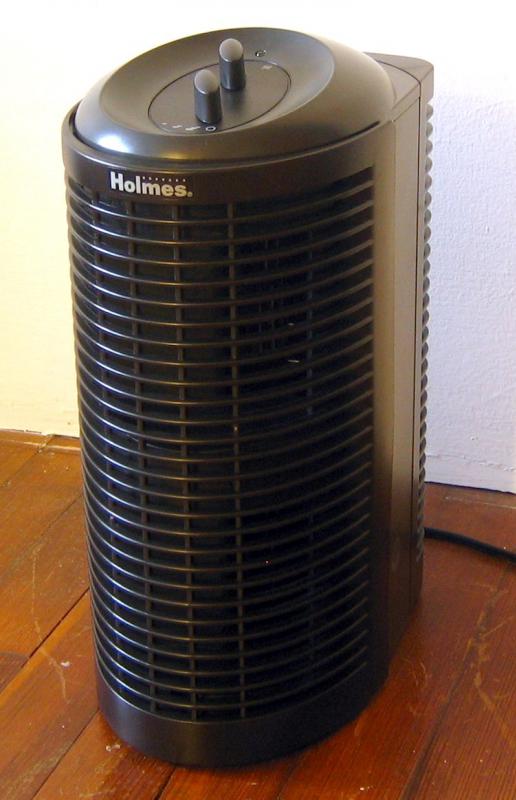
While dusting and vacuuming can take care of particles that have already settled, an air purifier can help filter it from the air. If allergies are a problem, a homeowner should be sure to vacuum underneath beds, around baseboards, and in hard-to-get areas where attachments might be necessary. Vacuuming likely won't solve all of the problem, however; covering soft furnishings and mattresses with dust-proof covers can help. Vacuum cleaners fitted with High-Efficiency Particulate Air (HEPA) filters will keep dust and mites from recirculating through the appliance.
AS FEATURED ON:
AS FEATURED ON:


-
![Dead skin cells from animals can create dust in a home.]() By: Michael PettigrewDead skin cells from animals can create dust in a home.
By: Michael PettigrewDead skin cells from animals can create dust in a home. -
![An air purifier can help filter particles from the air.]()
An air purifier can help filter particles from the air. -
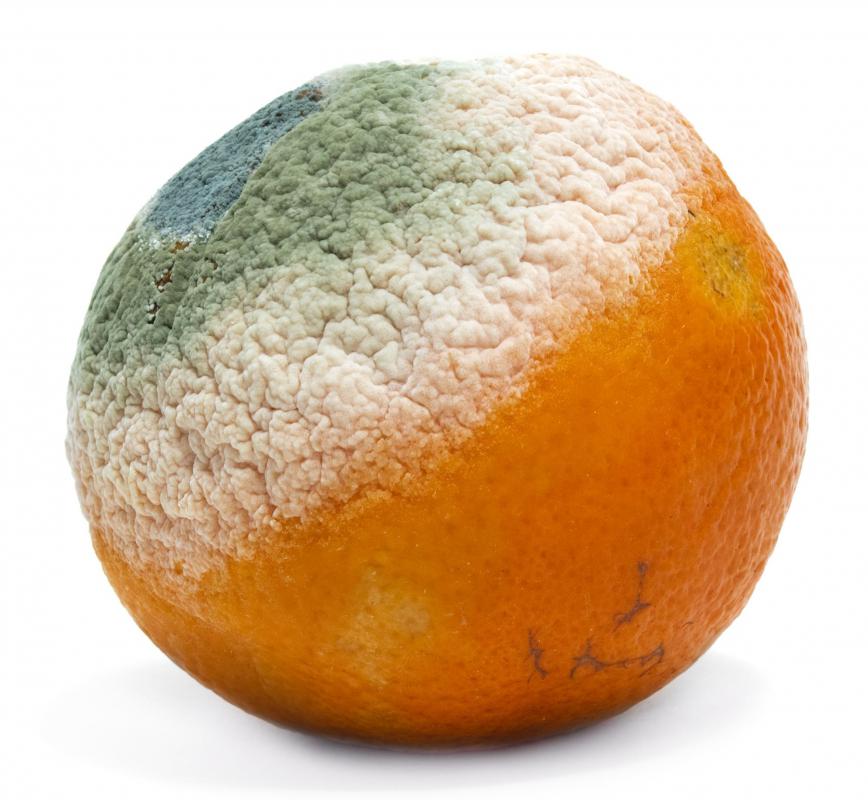
![Mold can contribute to dust.]() By: nitoMold can contribute to dust.
By: nitoMold can contribute to dust. -
![Having a hardwood floor can help prevent dust accumulation.]() By: TattyHaving a hardwood floor can help prevent dust accumulation.
By: TattyHaving a hardwood floor can help prevent dust accumulation. -
![Outdoor dust forms from various environmental materials.]() By: EcoViewOutdoor dust forms from various environmental materials.
By: EcoViewOutdoor dust forms from various environmental materials. -
![Drought conditions dry the earth and create dust.]() By: Tomasz ZajdaDrought conditions dry the earth and create dust.
By: Tomasz ZajdaDrought conditions dry the earth and create dust.



Discussion Comments
When one reads all of these posts, you have to wonder about all of the brouhaha over second hand smoke. I don't smoke, but to read these posts and the sources/origins of dust, it begs a few questions, e.g., if smoke is so bad, what's the dust doing to us? There ought to be a law, right? The EPA should ban dust -- there, it's that simple! Poof! Feeling better? Me, I have to shovel the stuff, it gets so heavy!
Dust particles in air keep coming downward slowly and land everywhere in my house. I clean the house daily and mop the floors and wrap a cloth around my nose and mouth while doing the cleaning. The result is better. For those who sneeze a lot, add a little minced beef twice a week to your diet. Your immune system will improve.
Instead of spending zillions on supercolliders to find particles inside electrons, why don't scientists work on finding out how dust forms and how we can minimize it in our homes? Why not develop a disease that will kill all mosquitoes, black flies, and Norway rats? They did it with rabbits in Australia, though some survived and proliferated. Can they not tailor a gene that will make these pests die out in a few generations?
Also, why does dust form balls? I challenge a materials scientist to explain this.
Some dust comes from dead skin cells and decaying fibers etc but leave a house (with well-sealed exterior and window fitting, and in about three months you will find a thick layer of dust. Who makes it?
Some people really don't think, I guess! Dust is dead skin, fibers, outdoor dirt, etc. The reason you get dust is you're everywhere. Your vents blow out dust, and dust falls, so where does it go? In your vents! So, when your vents blow, the dust goes up. It's not from your paint! If you go away, you will have dust, plus there is dust in your walls, and everywhere so of course, you're going to get dust everywhere. Sometimes you can't see the dust in the air, but you can when the sun shines in your house.
@lighth0se33 – It sounds like you need a HEPA filter. It's supposed to help people with allergies, and they make three-month versions.
If you try one of these and find that it is getting dirty before time to switch it out, you can always vacuum it. That's how I extend the life of my HEPA filter.
Do you have carpet in your house? Since I moved to a home with hardwood floors, my allergies have decreased significantly. If you have carpet, you might want to consider switching to a different type of flooring.
As far as bed cover allergies go, try washing your covers on gentle cycle once a week. Washing the sheets isn't enough. You will need to wash the comforters, too.
I have a major dust allergy problem. I can't clean my house without having a sneezing fit, followed by a runny nose that lasts for hours.
I have a one-month air filter in the vent, and I always change it out when the time comes. It doesn't seem to be helping me much, though.
Is there anything I can do to prevent these dust allergy attacks? I can't stop shedding skin cells or using bed covers, so there will always be dust in the air. Is there some sort of preventive product I could buy?
Controlling dust is a losing battle at my house. I have four dogs that sleep inside, so this multiplies the amount of dust in my home.
I vacuum a couple of times a week, and I clean the filter on the vacuum cleaner whenever the air it spits out starts to smell like dust. I also dust the shelves and furniture every two weeks, and I am always amazed at the amount of dust that has managed to accumulate during that short time period.
@tugboats – They do help with dust suppression, to some degree. I had a $75 dollar purifier that did a great job for about a month.
I cleaned it once a week, and I really could breathe easier in my bedroom at night. The filter did get filthy, so it was definitely collecting dust out of the air.
However, after about a month, it began making a horrible zapping noise. I tried cleaning it again, but nothing worked. I still don't know what happened with it, but I had to stop using it because of the noise.
Dust builds up in vacant houses because there is no one there to 1) clean it up, 2) move it around by normal activities. Houses are not completely sealed up and allow dust, dirt and bugs to enter.
Post 3 raises any interesting question: Why would there be so much dust in a place that has been sealed and unoccupied?
I've also heard that meteorites contribute to dust. Don't know. not a scientist on these matters.
I agree with marsviking.
People are idiots! House dust comes from the paint on your walls and ceilings. it's actual paint, in addition to skin cells, pollen, and whatever else is in the air! Think about it! How did your dead skin cells climb up on top of your door frames and picture frames while you were away on vacation for two weeks? Answer is, they didn't! Your paint is slowly decomposing and creating a fine layer of dust in your house!
If dust in your house is so bad, why am I still alive? I don't worry about dust or the dust mites that eat dust. Now if I were living in a mining area with asbestos dust, I would worry.
I really guess if you think of it wisely it is very true about that dust collects quicklly from dead cells from animals, pets and clothing. And also air coming in your house. You notice when it's hot and sunny, you open the window and there's a lot of dust flying into your house.
If dust in the house is mostly dead skin cells, hair, and fibers, why can you find so much dust in house that have been untenanted for weeks or months?
Surely not that much outside dust can enter a house that is mostly sealed up.
Do air filters REALLY help? I have always heard that they are just one more item to collect dust!
Post your comments