
At WiseGEEK, we're committed to delivering accurate, trustworthy information. Our expert-authored content is rigorously fact-checked and sourced from credible authorities. Discover how we uphold the highest standards in providing you with reliable knowledge.
What Should I do About Tick Bites?
 Mary McMahon
Mary McMahon
Mary McMahon
Ticks are parasitic arachnids which attach themselves to warm-blooded animals, such as humans, in order to feed on their blood. After the tick is finished eating, it detaches and waits for another victim. Unfortunately for animals bitten by ticks, tick bites can be irritating and also potentially life threatening. The first thing to do about tick bites is to avoid them, but if that fails, there are steps you can take to reduce potential problems.
Brush and scrub land are the preferred environments for ticks. Humans can get bites from ticks while playing, hiking, or working, as can animals. Humans should wear light colored clothing so that they can easily see ticks on their bodies. Long sleeves and pants are also a good idea, as is tucking pants into boots. Tick repellent can also be worn, although be careful around children and pets. Children should wear tick repellent specifically formulated for them, as should animals, since some substances in human tick repellent are toxic to animals.

After a hike or outdoor adventure, people and animals should be carefully checked for ticks and signs of tick bites. When a tick bites, they secrete substances through their mouth parts which can cause irritation. The bite often appears swollen, red, or otherwise inflamed. It may also be painful. Ticks can be quite small, and they favor the hair and the armpits, so always get someone to check you for ticks. If you find bites, wash them with soap and water and swab them with alcohol.

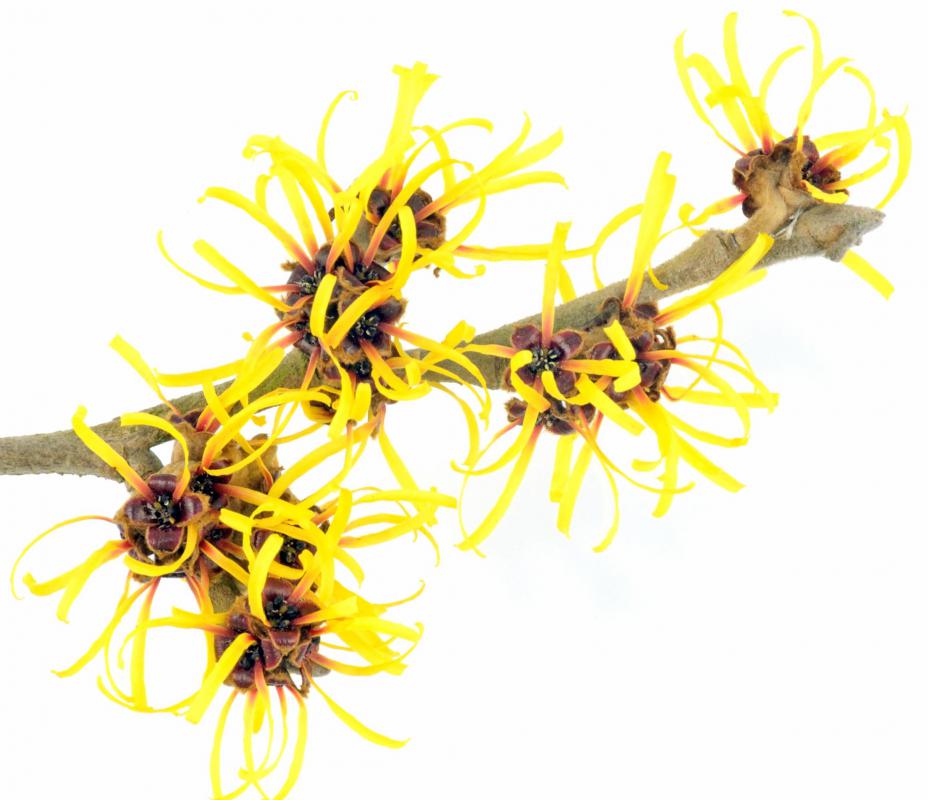
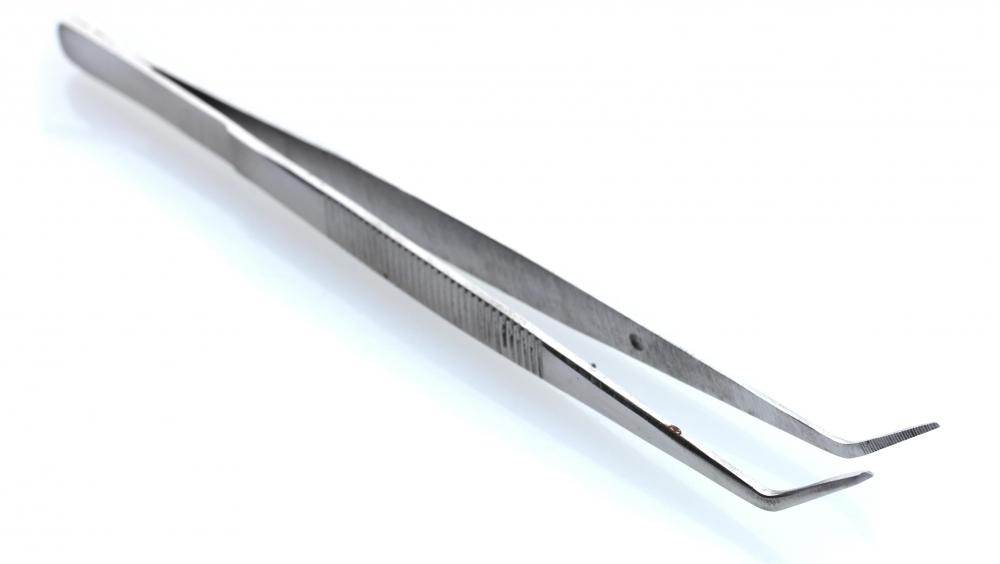
If a tick is found on the body, try to save it, in case it has bitten you. If you find a tick embedded in your skin, remove it with tweezers, pulling firmly but steadily straight out without twisting or pulling. It's a good idea to wear latex gloves while removing a tick to protect the hands. Save the tick, and wash the tick bite as well as your hands in warm, soapy water. An astringent such as witch hazel can relieve irritation caused by the bites.

A number of health problems are associated with tick bites, including Lyme's disease, cysts, tularemia, Rocky Mountain spotted fever, and paralysis. If symptoms of any of these diseases develop, seek medical attention immediately, even if you have not seen or felt any ticks. Keep ticks that you find on your body for up to two weeks, as they may help a doctor identify the cause of a health problem. If you have a tick bite surrounded by a red ring which looks like a bullseye, visit a doctor, as this is a symptom associated with Lyme's disease.
Mary McMahon
Ever since she began contributing to the site several years ago, Mary has embraced the exciting challenge of being a WiseGEEK researcher and writer. Mary has a liberal arts degree from Goddard College and spends her free time reading, cooking, and exploring the great outdoors.
Learn more...
Mary McMahon
Ever since she began contributing to the site several years ago, Mary has embraced the exciting challenge of being a WiseGEEK researcher and writer. Mary has a liberal arts degree from Goddard College and spends her free time reading, cooking, and exploring the great outdoors.
Learn more...AS FEATURED ON:
AS FEATURED ON:









-
![Ticks can transmit a number of serious diseases.]() By: Carolina K Smith MDTicks can transmit a number of serious diseases.
By: Carolina K Smith MDTicks can transmit a number of serious diseases. -
![Products containing witch hazel can relieve irritation from tick bites.]() By: dianamowerProducts containing witch hazel can relieve irritation from tick bites.
By: dianamowerProducts containing witch hazel can relieve irritation from tick bites. -
![Tweezers can be used to remove ticks from the body.]() By: Africa StudioTweezers can be used to remove ticks from the body.
By: Africa StudioTweezers can be used to remove ticks from the body. -
![Take special care when removing a tick so that a health professional can later inspect it for disease.]() By: ViktorTake special care when removing a tick so that a health professional can later inspect it for disease.
By: ViktorTake special care when removing a tick so that a health professional can later inspect it for disease. -
![It's a good idea to wear latex gloves while removing a tick to protect the hands.]() By: Sunshine PicsIt's a good idea to wear latex gloves while removing a tick to protect the hands.
By: Sunshine PicsIt's a good idea to wear latex gloves while removing a tick to protect the hands. -
![Always check armpits for tick bites, and if any are found, wash that area thoroughly.]() By: AriwasabiAlways check armpits for tick bites, and if any are found, wash that area thoroughly.
By: AriwasabiAlways check armpits for tick bites, and if any are found, wash that area thoroughly.



Discussion Comments
So, the tick is gone, and the rash is gone, but the lump remains.
@MikeEstep: That's the number one evidence that the tick was carrying Lyme disease. This is not something that she should be taking lightly; it will do big damage to the body if ignored. Make sure she gets treated immediately. If she doesn't, she'll be very, very sorry!!
I had a tick bite me nearly seven months ago. It was imbedded pretty deeply, but my boyfriend was able to remove it with tweezers. However, now several months later, the site still bothers me quite a bit. It still has a sore swollen area and still itches quite incessantly. I'm wondering why, and especially after so long.
A ring means Lyme disease. I had it last year. Get her to the doctor.
I was getting into the shower i was waiting for the water to get warm and i felt something bite me on my hip and it was a tick. now it is itching and burning. i put a band aid over it and it stopped itching. Now what?
According to the British Columbia CDC, do not kill the tick with alcohol. Google their site for full instructions. You may need to have the live tick tested.
S.Kirsch
If the bite is inflamed, circle with a pen to monitor its growth. Begin an anti-histamine and continue for relief. It will often be self-limiting, or, resolves on its own. However, if other problems such as difficulty breathing also occur, see a doctor as she could be having a systemic allergic reaction. Watch for any rashes that appear on palms and soles, as this is a key diagnosis for Rocky Mountain Spotted Fever.
I found a tick on me about 2 months ago, and removed it. I believe that I got the head out, however, I still have a bump where it bit me. It also itches quite a bit. There is no rash, but could the head still be in my leg?
My girlfriend had a tick on her and she pulled it out but the head of the insect remained in her and now the bite has a red ring around it the size of a quarter. I need to know what she should do? I've been trying to get her to go to the doctor but she's being stubborn.
Post your comments