
At TheHealthBoard, we're committed to delivering accurate, trustworthy information. Our expert-authored content is rigorously fact-checked and sourced from credible authorities. Discover how we uphold the highest standards in providing you with reliable knowledge.
What Should I do About Dry Sinuses?
There are three main aspects of treating dry sinuses: identifying the cause of the dryness and avoiding them, and reintroducing moisture into the nose. Sometimes you can solve the problem simply by avoiding triggers and giving your body time to recover, but other times you'll need to actively reintroduce moisture into your nose. Common ways of doing this include inhaling steam or mist, washing out the nasal passages, or putting moisturizer in the nose. If your sinus problems are severe or persistent, you should consult a healthcare provider or an otolaryngologist; an ear, nose, and throat specialist.
Causes

Many causes of dry sinuses are environmental: dust, pollen, or animal dander can cause dryness, as can weather that's cool and dry. Stale or musty air in a room is another common cause of dryness, and often occurs when an area is not properly ventilated. Likewise, hot, dry air from a climate control system can also cause problems. Airborne irritants like hairspray, tobacco smoke, and cleaning products can irritate and dry out the nose as well. Additionally, dry sinuses can be a side effect of medication; for instance, decongestants and antihistamines are often very drying, as are some anti-anxiety medications and blood pressure medications. Many people also get dry nasal passages when they have certain illnesses, like the common cold.
Treatments

The first thing to do in treating dry sinuses is to observe your triggers, and try to avoid them. For instance, if you tend to have problems only when you're inside your home, you can try adjusting your climate control, regularly ventilating your rooms, or getting a High-Efficiency Particulate Air (HEPA) filter to catch any allergens. If you're on a drying medication, then you can discuss alternatives with your doctor. You should also make sure that your body is well-hydrated, since dehydration can affect the nose.

After identifying and avoiding triggers, you can start to introduce moisture into your nose. If you only have mildly dry sinuses, or your nose is only dry near the nostrils, then you can put a little lotion or Vaseline® in or near your nostrils, or put a wet washcloth over your face and breathe through it for a few minutes. To prevent moisture loss while you sleep, you can lightly tie a slightly damp scarf or bandanna over your face.

For more serious cases of dryness, you can try humidifying the air around you. You can do this with a humidifier or vaporizer, or by putting bowls of hot water around a room. It's important to sit near the source of the vapor, however, to get it deeply into your nose. If you don't want to increase the humidity of an entire area, you can take a long, steamy shower, or drape a towel over your head and put your face over a pot of hot water.

Another way to re-moisten your nasal passages is with a nasal saline spray or mist. There are many Over-The-Counter (OTC) products, but you can also make your own saline solution by mixing together about 1 pint (16 oz) of lukewarm water and a half a teaspoon of salt. You can then use a bulb syringe to put get the mixture into your nose. Another popular means of treatment is a neti pot, which is a small pot with a spout that is used to pour water into one nostril while a person holds his or her head with the mouth open at about a 45 degree angle over a sink. The water then travels through the sinuses and out the other nostril. Though pre-mixed neti pot solutions are available, you can also use a homemade saline solution.
Precautions

Most means of treating dry sinuses are very safe as long as you practice good hygiene. Any humidifiers, vaporizers, syringes, and neti pots should be cleaned often to avoid a build up of mold, fungi, or bacteria, and you should only use distilled or sterilized water to make home saline solutions. You should never use plain tap water, as this can cause infections, and in rare cases, parasitic infestations and death. It's also important to avoid over-humidifying the air in your house, as this can encourage dust mites, which can lead to nasal allergies.
AS FEATURED ON:
AS FEATURED ON:


-
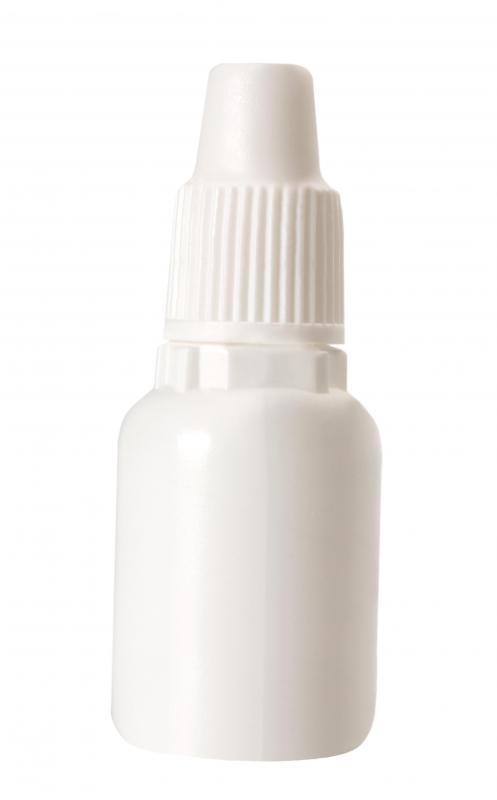
![Nasal spray can help to relieve dry sinuses.]() By: Vladyslav DanilinNasal spray can help to relieve dry sinuses.
By: Vladyslav DanilinNasal spray can help to relieve dry sinuses. -
![Taking hot showers can help to relieve dry sinuses.]() By: Serghei VelusceacTaking hot showers can help to relieve dry sinuses.
By: Serghei VelusceacTaking hot showers can help to relieve dry sinuses. -
![A cross section of the head, including the sinuses.]() By: turhanerbasA cross section of the head, including the sinuses.
By: turhanerbasA cross section of the head, including the sinuses. -
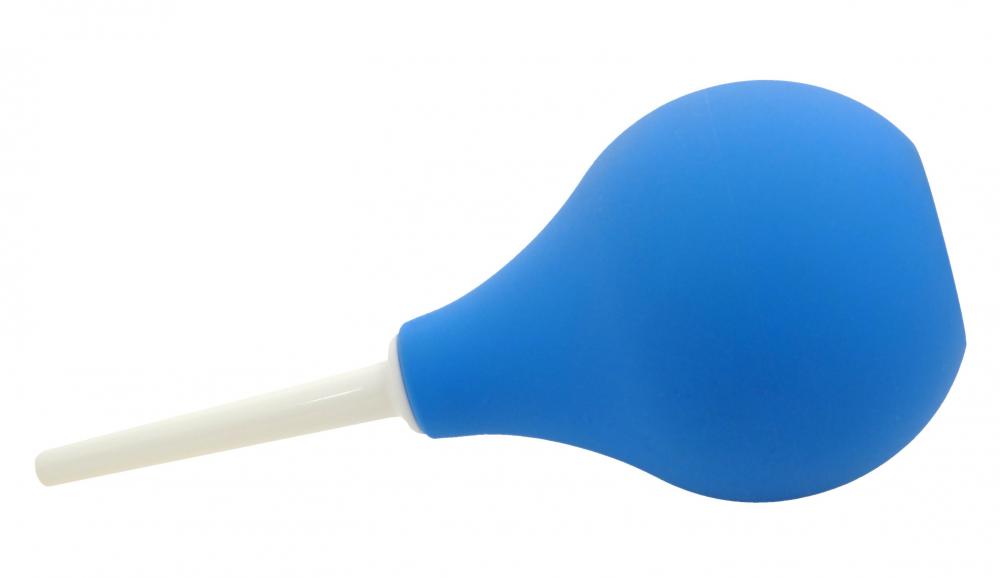
![A bulb syringe, which can be used for nasal irrigation.]() By: Vladyslav SiaberA bulb syringe, which can be used for nasal irrigation.
By: Vladyslav SiaberA bulb syringe, which can be used for nasal irrigation. -
![Inhaling steam can help add moisture to dry sinuses.]() By: absolutimagesInhaling steam can help add moisture to dry sinuses.
By: absolutimagesInhaling steam can help add moisture to dry sinuses. -
![Humidifiers may be used to help treat dry sinuses.]() By: StockPhotosArtHumidifiers may be used to help treat dry sinuses.
By: StockPhotosArtHumidifiers may be used to help treat dry sinuses. -
![Being properly hydrated can help improve dry sinuses.]() By: anyaivanovaBeing properly hydrated can help improve dry sinuses.
By: anyaivanovaBeing properly hydrated can help improve dry sinuses. -
![Dust, pollen and animal dander can lead to dry, irritated sinuses.]() By: Innovated CapturesDust, pollen and animal dander can lead to dry, irritated sinuses.
By: Innovated CapturesDust, pollen and animal dander can lead to dry, irritated sinuses. -
![A steamy shower is a simple remedy for dry sinuses.]() By: nikkytokA steamy shower is a simple remedy for dry sinuses.
By: nikkytokA steamy shower is a simple remedy for dry sinuses. -
![Neti pots contain warm salt water that is used to irrigate the nose.]() By: Sinisa BotasNeti pots contain warm salt water that is used to irrigate the nose.
By: Sinisa BotasNeti pots contain warm salt water that is used to irrigate the nose.





Discussion Comments
I also have small traces of blood in my mucus from dry sinuses. I use a space heater and live in a basement room that has little ventilation. Guess I should go get a humidifier! Thanks for the help.
I have a burning sensation in my nose. Help!
I have suffered with this problem for nine months. The short answer is I think I have found a cause: thrush -- a yeast infection of the mouth. In this case, a yeast infection on the back of the soft palate. It can be treated with nystatin, 1 percent gentian violet or ingested in liquid form for example, fluconazole.
I have seen my general practitioner and was referred to a ENT specialist. They used the scope and didn't really see anything. They "thought" it might be harsh heartburn and prescribed acid reducers. After a month and a half on these and systematically removing item after item from my diet and schedule (even stopped taking ibuprofen), nothing helped.
I kept reading online and one site talked about the growth of thrush because of a weakened immune system, taking steroids or large dose antibiotics because of surgery and such. I had knee surgery just before I started noticing the symptoms and I had to take steroids and antibiotics twice because the stitches didn't heal well.
I went to my GP and specifically asked about being treated with anti-fungals and gave her the rundown on how I arrived at my diagnosis. I have had horrible heartburn in the past and ate Tums like they were candy, and never had this problem until the past year. I've had very little heartburn and this pops up. Odds are it's thrush rather than heartburn.
I started on the anti-fungal syrup and noticed a difference immediately. I only went a few days ago, and I did pick up a cold while at the docs, but the dryness and pain have gone away. In addition to taking the meds orally, I have diluted it 3x1 and used a Neti pot to let the syrup run down my throat to coat the entire surface. I was going to wait to post this but I know how bad the issue is and thought I'd let you know what I'd found.
I like humidifiers, homemade saline solutions and also ingesting raw apple cider vinegar for my sinus problems. I am surprised there's nothing said about ACV so far!
@seag47 – If you buy a high quality humidifier, you won't be able to hear any gurgling. The only noise it will emit is from the fan, which is rather quiet. My dad has one of these, and it works great for him.
If you don't have the money for a good humidifier, you can try what I do. I get some eucalyptus and menthol salve and rub it up inside my nostrils. People have told me that you're supposed to use it on the outside of your nose, but that's only helpful if you're congested.
Rubbing it inside my nose moisturizes my sinuses, and breathing in the strong vapors is soothing. I've never had any infections or irritation from it.
My nose gets so dry during the winter, and I'm looking for a new dry sinuses remedy. I've tried shutting the vent in my room at night, but I get too cold to sleep comfortably.
I've also tried a humidifier, but it gurgles too loudly and keeps me awake. It does moisturize the air, but I don't get the full benefit, because I have to turn it off in order to sleep.
I have dry, burning sinuses when I'm exposed to overly fragrant things inside heated homes or businesses in the winter. I walked through an aisle in a shopping center that was loaded with potpourri and scented candles, and the insides of my nose started to burn so badly! Once I got out of there, the burning stopped.
When I'm struggling with my allergies, my sinuses are overly moist and I have a runny nose. If they don't clear up after a few weeks, I get a dry sinus infection.
My nasal passages get clogged with dried mucus. I blow my nose, but if anything comes out, it is a piece of stringy dried mucus. It's usually bright yellow and tinged with blood.
I have to get antibiotics to treat my sinus infection. Once the infection is gone, my sinuses get their normal moisture back.
I had a similar situation: bacteria biofilm sucking the moisture out of my nose, throat and mouth, also biofilm glue was cementing the soft palate to my throat. A three week course of Sulfamethoxaloe-TMP-160 tabs clobbered the bacteria and the mucus broke up and moved out.
I am currently using #50 C-mupirocin 5GM in sal nasal: two sprays in each nostril twice daily to prevent the infection from returning.
Dr. Dave's Herbal Medicine's Super Sinus is a remedy that helped me greatly with my sinus infection. My nose was dry and the pressure was unbearable. The remedy relieved the pressure and made me feel better in general.
SinusMend helps with dry sinuses more than any product I know about. It also has germ killing properties.
Absolutely! How long were you on Femara? what drug did you switch to?
I was on the med Femara and developed "dry mouth" and dry unbearable sinus. Anyone have this problem?
Post your comments