
At WiseGEEK, we're committed to delivering accurate, trustworthy information. Our expert-authored content is rigorously fact-checked and sourced from credible authorities. Discover how we uphold the highest standards in providing you with reliable knowledge.
What Should I Consider When Buying a Skillet?
Every chef or cook appreciates a good skillet in the kitchen. It should heat and cook evenly, brown nicely, and clean up easily without too much elbow grease. The right cookware makes preparing meals a pleasure.
Although quality nonstick skillets meet the criteria, some consumers choose to avoid nonstick cookware because it has been shown to release toxic fumes when overheated. These fumes can be fatal to pet birds and can cause flu-like symptoms in people. As a result, many consumers are looking for good alternatives to nonstick pans.

Stainless steel skillets are a popular choice among professional chefs for many reasons. Stainless steel does not change the taste or color of foods, and copper or aluminum cores disperse heat to cook evenly and brown foods nicely. A stainless steel pan is not as heavy as a cast iron or enameled one, and many have stay-cool handles.
While some foods have a tendency to stick without sufficient oil, and oil itself can adhere to the pan and cause tiny brown spots, a non-chlorine cleanser and nylon sponge clean up stainless steel skillets nicely. Stainless steel can go from stovetop to oven and is dishwasher safe. Many brands have lifetime warranties.

A carbon steel skillet performs similarly to stainless steel and is also among the lighter pans with a cool handle. One benefit over stainless steel is that cleanup is easier, because oil does not tend to form brown spots on the sides of the pan. Soap is not recommended for carbon steel, so pans are soaked and cleaned with a stiff brush. Note that carbon steel must be seasoned between uses. This involves allowing the pan to dry thoroughly after washing, then applying a thin coat of oil to keep the metal from rusting.

A hard-coat anodized skillet is an aluminum pan that has been electro-chemically treated to harden the surface and make it scratch resistant. Aluminum skillets transfer heat well and are also among the lighter options. They cook and brown foods well, though as with stainless steel, some foods have a tendency to stick.
Because of the anodized finish, aluminum pans are not recommended for the dishwasher. The aluminum skillet commonly has a stay-cool handle. If you enjoy serving from the pan, you might consider cast iron or enamel, as aluminum cools quickly.

A cast iron skillet does an excellent job of cooking food evenly and browning nicely. This type is especially popular for Cajun cooking and for preparing fish. Cast-iron handles become hot, so potholders or oven mitts are required. Cleanup is easy and follows the carbon steel requirements of soaking or using a brush.
Cast-iron can change the taste and color of highly acidic foods, but an iron skillet also adds a bit of iron to the diet, considered beneficial. Cast-iron takes longer to heat up and cool off, making it a popular choice for serving food. An iron skillet requires seasoning between uses and is among the heaviest pans; however, it also holds the distinction of being extremely inexpensive.

Finally, skillets with baked enamel or porcelain interiors provide nonstick cooking. The enamel finish is durable and safe, even if the pan becomes chipped, though many brands have lifetime guarantees against chipping. This type is the top choice of many cooks because of its excellent cooking properties and easy cleanup. An enameled skillet is heavy like cast iron, and the handles remain hot, requiring oven mitts. This cookware is typically dishwasher safe.
Though a quality skillet can be an investment, it will last a lifetime with proper care. A good pan will come with recommended manufacturer instructions for cleaning, seasoning if applicable, and preheating or cooking. Follow all directions to get the most out of it and rediscover the joy of cooking.
AS FEATURED ON:
AS FEATURED ON:









-
![Cast iron skillets can cook and brown food evenly.]() By: Brian WeedCast iron skillets can cook and brown food evenly.
By: Brian WeedCast iron skillets can cook and brown food evenly. -
![Skillets with baked enamel or porcelain interiors provide a nonstick surface for cooking.]() By: FirstBloodSkillets with baked enamel or porcelain interiors provide a nonstick surface for cooking.
By: FirstBloodSkillets with baked enamel or porcelain interiors provide a nonstick surface for cooking. -
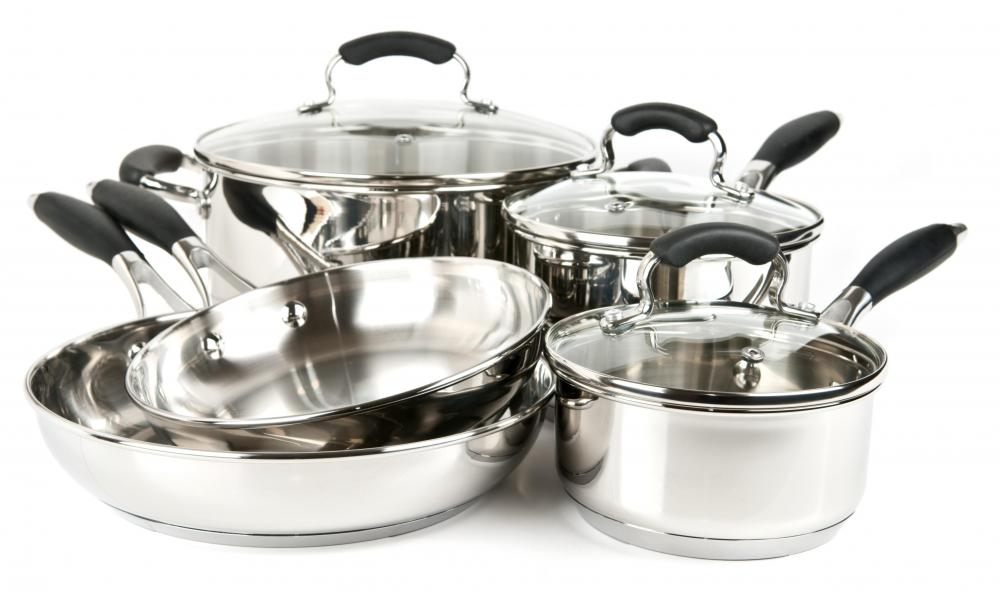
![Stainless steel pots and pans, including a skillet.]()
Stainless steel pots and pans, including a skillet. -
![Dishwasher safe skillets are the most convenient kind to use.]() By: JJAVADishwasher safe skillets are the most convenient kind to use.
By: JJAVADishwasher safe skillets are the most convenient kind to use. -
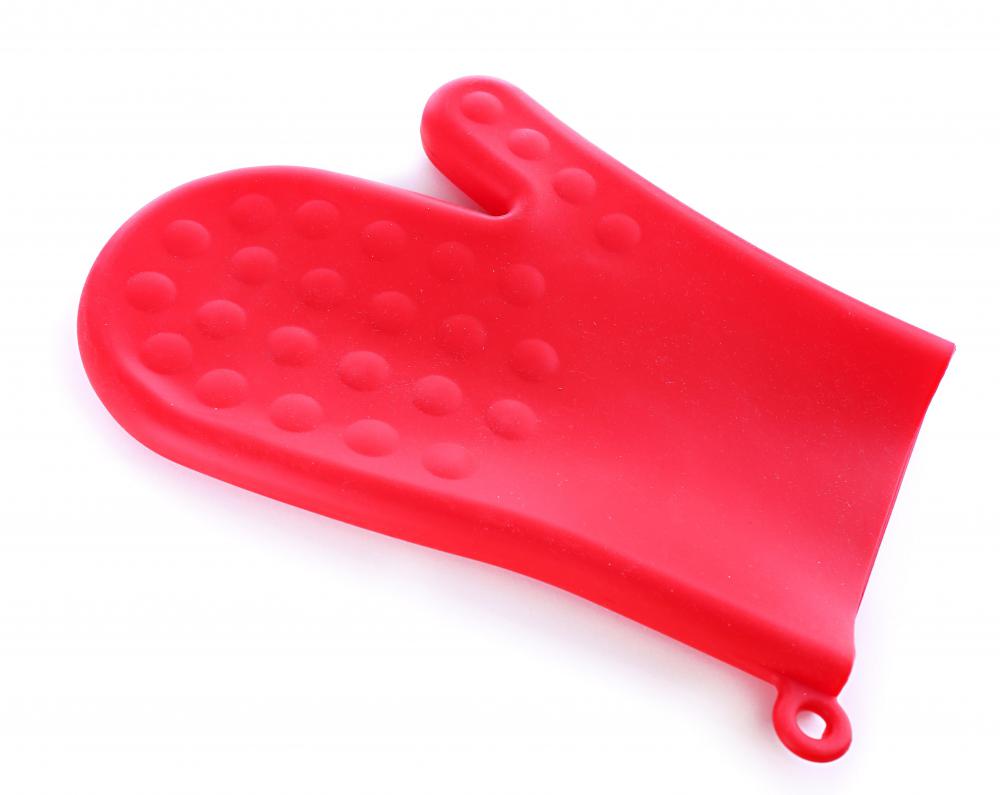
![Oven mitts are often required for cast iron skillets because the handles can become dangerously hot when cooking.]() By: Africa StudioOven mitts are often required for cast iron skillets because the handles can become dangerously hot when cooking.
By: Africa StudioOven mitts are often required for cast iron skillets because the handles can become dangerously hot when cooking.



Discussion Comments
I quit using my Teflon skillet a long time ago. When I read about the possible cancer causing effects it scared me and I threw it away. The one thing I really liked about using this skillet was how easy it was to clean.
I bought a skillet that was enamel coated and feel better about using this type of skillet. It can be surprising how much a high quality skillet may cost you, but when you realize how long it can last you, it doesn't seem so bad.
I have seen cheap skillets for sale in dollar stores and would really hesitate about using something like that on a long term basis. Usually you get what you pay for, and I think that holds true for the money you invest when buying a skillet.
I like using an electric skillet to fry chicken in. This is really about the only time I use it, although I know there are several other things it can be used for. When using an electric skillet for chicken, you don't need to add any grease. I place the chicken in the hot skillet and it comes out crisp and delicious every time without adding any extra calories.
A high quality skillet should last you for many years. I have been using the same cookware for about 30 years and my skillet gets used many times a week. This is a stainless steel set that I plan on using for many more years.
One thing I have never done is put my skillet in the oven. I have just used it to cook on top of the stove. The one thing that seems to stick more than anything else is when cooking eggs. Using a non-stick spray or some olive oil can really help, although you will still have a little bit of scrubbing to do.
@anon116096 -- I have never owned or even used a cast iron skillet, but know some people who just love them. The times I have looked at them in the store they just so so heavy when compared to a stainless steel skillet.
And we know the FDA has only our personal best interests at heart for all its decisions.
How about a good old 12 inch cast iron skillet -- my favorite for everything!
According to the FDA there is no link between health hazards and teflon. If more people would research before they post rumor and hearsay as fact the internet would be a much more useful place.
It is not only about scratching. Read "What are the risks of using teflon pans?"
Nonstick skillets have a number of advantages. They need less fat for cooking, and are better for certain foods such as eggs and fish.
It is probably best to buy a less expensive one and replace it as soon as it gets scratched.
While teflon is nice because it's easy to clean, I've also heard that the chemicals used in the coating can be hazardous. It might be worth it to just get a non-teflon coated skillet and go through the extra cleaning hassle. Although if you, at least, rinse your skillet after cooking, or put a little water in it and then set it on the fire for a bit, cleaning isn't that hard.
What about teflon pans and siamese cats?
Post your comments