
At HomeQuestionsAnswered, we're committed to delivering accurate, trustworthy information. Our expert-authored content is rigorously fact-checked and sourced from credible authorities. Discover how we uphold the highest standards in providing you with reliable knowledge.
What Kinds of Things can I Compost?
Compost is organic material that has decomposed to become rich soil or mulch. Many gardeners choose to make their own at home by recycling kitchen and yard waste and other organic matter. Some create a pile in the back yard, while others choose to spend money on special composters so the decaying matter isn't in plain view. A few even use worm bins in their homes for composting household waste.
Not only does compost provide rich nutrients and moisture to the plants in a garden, but it also recycles items that might otherwise be discarded and reducing waste that might go to a landfill. When spread out over the soil and around plants, this material will continue to break down for years, providing long-term nutrition that plants can't get from fertilizer.

If you've been contemplating starting your own compost heap, but are afraid that it will cause your back yard to smell, you couldn't be more wrong. If aerated properly, it should have a sweet smell. In order to prevent the stench of rotting food, you'll want to avoid putting meat, fish, or the feces of carnivorous animals into your pile.
Here is a brief list of things ideal for composting:
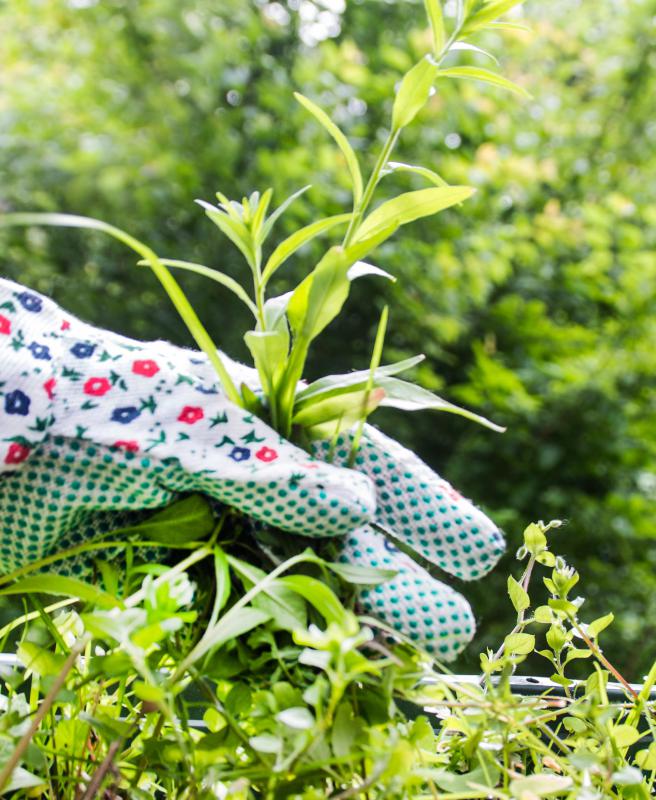
- Green Matter — Grass clippings, tree and other yard trimmings, vegetable peelings and other remains such as carrot tops and pith from fruit such as oranges, rotted fruits, vegetables, weeds.
- Brown Matter — leaves, nut shells, saw dust, shredded or chipped wood (wood must be untreated), dead flowers and plants, pine needles, straw.
- Other — Manure from plant-eating animals such as cows or sheep, egg shells, tea bags, coffee grinds.

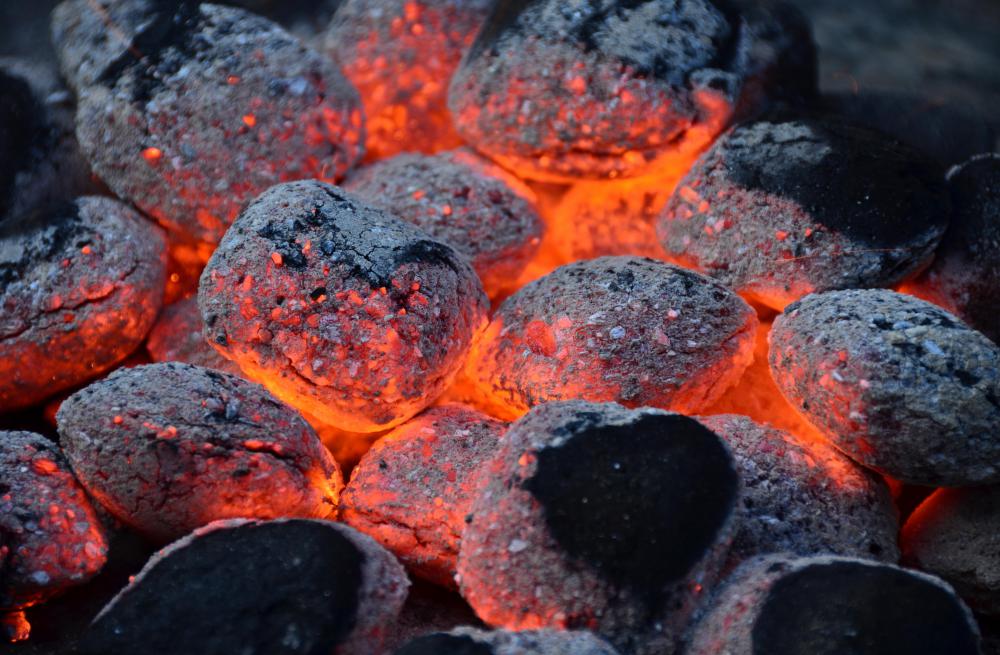
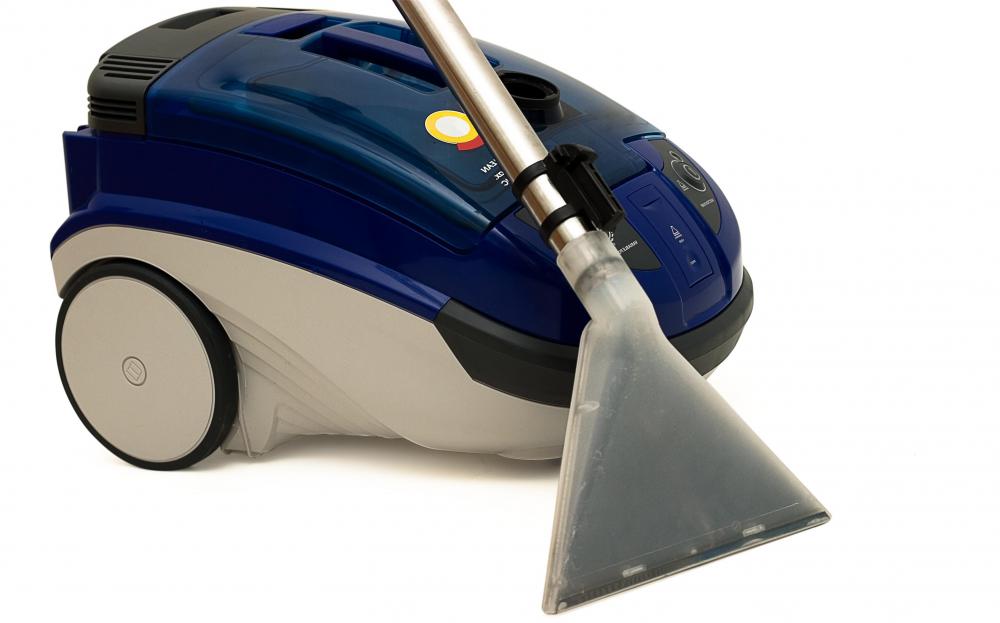
Here's an unusual list of items that can be composted (most of these items are considered "brown") — Newspapers, hair, dryer lint, certain vacuum cleaner dust, charcoal, used coffee filters, feathers, cotton rags, bedding from pet rodents (such as hamsters and gerbils), string
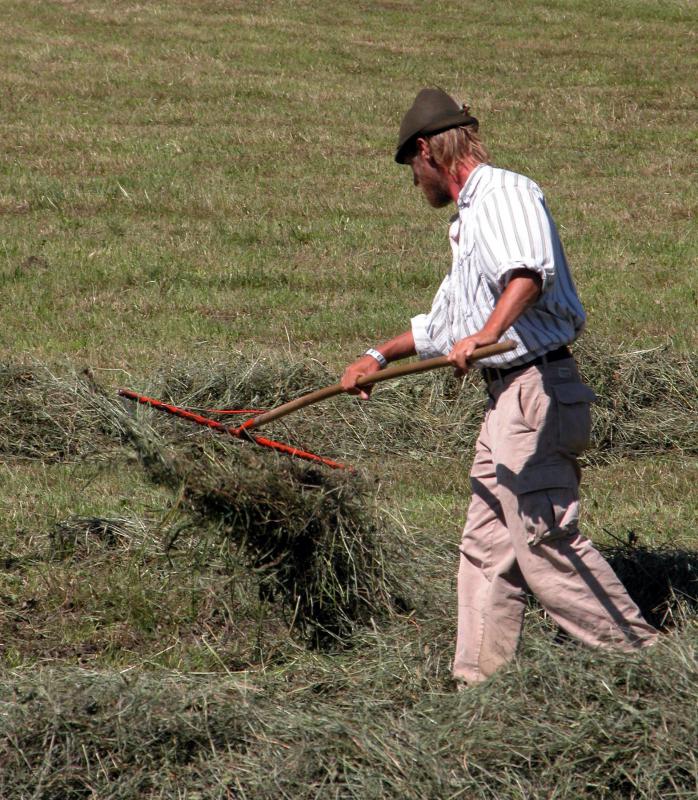
For a compost pile to work properly, it has to have the proper mixture of green and brown ingredients in alternating layers, with the other stuff thrown in for good measure. If composed with the correct ratio of brown and green matter, the pile will remain warm and damp. To keep it this way, it must be turned regularly with a shovel or pitchfork. It takes at least six weeks for the organic material to break down enough to use in your garden, but it's better to wait at least a few months.
When your heap takes on a dark color, a crumbly texture, and an earthy smell, this is a good indication it's ready to mix into your soil. Once you notice how your garden is flourishing, you'll have no problem beginning the process again.
AS FEATURED ON:
AS FEATURED ON:


-
![Grass clippings can be used in compost.]() By: eag1eGrass clippings can be used in compost.
By: eag1eGrass clippings can be used in compost. -
![Dead and dried up plants can be used for compost.]() By: faludiDead and dried up plants can be used for compost.
By: faludiDead and dried up plants can be used for compost. -
![A compost bucket.]() By: PatryssiaA compost bucket.
By: PatryssiaA compost bucket. -
![Tea bags can be composted.]() By: Shariff Che'LahTea bags can be composted.
By: Shariff Che'LahTea bags can be composted. -
![Bananas can be composted.]() By: Nikolai SorokinBananas can be composted.
By: Nikolai SorokinBananas can be composted. -
![Used charcoal (once cool) can be composted.]() By: Daniel BujackUsed charcoal (once cool) can be composted.
By: Daniel BujackUsed charcoal (once cool) can be composted. -
![Fruits and vegetables can be composted.]() By: Kasia BialasiewiczFruits and vegetables can be composted.
By: Kasia BialasiewiczFruits and vegetables can be composted. -
![Recently pulled weeds can be used in compost.]() By: PhotoSGRecently pulled weeds can be used in compost.
By: PhotoSGRecently pulled weeds can be used in compost. -
![Some people use worm bins for composting household waste.]() By: Henrik LarssonSome people use worm bins for composting household waste.
By: Henrik LarssonSome people use worm bins for composting household waste. -
![Newspapers can be composted.]() By: by-studioNewspapers can be composted.
By: by-studioNewspapers can be composted. -
![Certain types of vacuum cleaner dust can be composted.]() By: SupertrooperCertain types of vacuum cleaner dust can be composted.
By: SupertrooperCertain types of vacuum cleaner dust can be composted. -
![Manure can be added to a compost pile adding valuable nutrients of nitrogen, potassium, and phosphorus.]() By: aigarsrManure can be added to a compost pile adding valuable nutrients of nitrogen, potassium, and phosphorus.
By: aigarsrManure can be added to a compost pile adding valuable nutrients of nitrogen, potassium, and phosphorus. -
![Homeowners may rake thatch from their lawns for compost.]() By: viappyHomeowners may rake thatch from their lawns for compost.
By: viappyHomeowners may rake thatch from their lawns for compost. -
![Dryer lint can be added to a compost pile.]() By: digitexDryer lint can be added to a compost pile.
By: digitexDryer lint can be added to a compost pile. -
![Egg shells are good candidates for a home compost pile.]() By: fotomatrixEgg shells are good candidates for a home compost pile.
By: fotomatrixEgg shells are good candidates for a home compost pile. -
![Yard waste can be turned into compost.]() By: Manuela ManayYard waste can be turned into compost.
By: Manuela ManayYard waste can be turned into compost.








Discussion Comments
Once you've personally used all the compost you need, you can either choose to stop with the piles or try selling it. Where I live, few people compost, so it is very popular. People especially like that it is supporting a local person instead of buying compost from a bag.
You might be surprised how long it takes to build a good compost pile, though, so it might not be as big a problem as you anticipate.
Something I have never quite understood is when you know you can start using the compost or what the whole process is. Do you just keep throwing new things into the pile as you take old dirt away, or are you just supposed to make one pile, use it, and start a new one? I just don't understand how you stop the new waste from mixing with the old that you want to take out.
If you were using one of the bins, you would also have the problem of the thing getting full eventually. What's the point of composting if you can't compost everything? Finally, what are you supposed to do once you get all the compost you need for your yard?
@cardsfan27 - I'll second that. I was cutting down a bunch of garlic mustard from my fence row and put it into the compost pile without thinking anything of it.
Once I actually used the compost, the plants started sprouting up all over the place. It was a nightmare to get rid of them. I have heard the same thing can happen with thistle plants. If you are pulling up any plants like those, it's best to just burn them or put them in a pile where the seeds can't escape.
@leilani - I have never heard about pine needles causing problems. It brings up a good point, though, that you should always check what types of things you're throwing in your compost pile.
For example, almost every part of walnut trees has a chemical in it that stops things from growing. Walnut leaves and husks and everything else should decompose just fine, but once you put it on your garden, it could kill the plants.
Letting the seeds of certain weeds into the compost pile can also cause problems, especially if the seeds get spread to other parts of the yard.
I hate going out to the compost pile every time that I peel a carrot or a potato. So, I got a compost bucket that I can keep in my kitchen until it is full. This cuts down on the trips I have to make out in the cold.
The bucket has a charcoal filter in it that keeps odors from filling the house. I didn't believe it would work when I first heard about it, because I know how bad rotten fruits and vegetables can stink. However, I was pleasantly surprised.
Now, I just pick up the bucket and take it to the pile whenever it is full, which is usually after several weeks. I would recommend it to anyone who wants to do a compost pile.
@JackWhack – You could get a rotating composter. It has lids at both ends, so your dogs couldn't get into the compost.
My neighbor has one of these. It's basically a big barrel that is hooked to a stand on both sides. He just rotates the barrel every couple of days, and he doesn't even have to use a pitchfork.
It's about the easiest way to make compost. The best part is that you don't have to worry about critters getting into your pile.
I can't do compost gardening because of my dogs. They will eat anything that I throw out in the yard.
I've even seen them eat watermelon rinds and pecan shells! I would think that nut shells would be painful as they move through their digestive systems, so I've stopped throwing them outside.
My mother is a cat person, and she has told me repeatedly that if I had a cat instead of dogs, I could have a glorious compost pile. I wish there was a way for me to make compost, but I guess there isn't.
I had no idea you could throw coffee grounds and tea bags onto a compost pile! I don't have any trees in my yard, and the guy I pay to mow it always bags the clippings and takes them with him, so I've never had anything to compost.
I would love to start using compost instead of fertilizer that is full of chemicals. I have a flower bed that would probably do much better with decomposed organic matter.
You shouldn't compost any meat, bones, or dairy. It will draw animals to your pile.
Can bones from different meats be composted?
Do not mix anything from conifer plants in your compost pile. The substance in the leaves will interfere with the fermentation process.
I believe you can add any weed roots as long as they are not too woody and have not been around herbicides and chemical fertilizers. Weeds and garden trimmings are good source of Nitrogen.
Can weed roots be put into the compost?
Post your comments