
At DelightedCooking, we're committed to delivering accurate, trustworthy information. Our expert-authored content is rigorously fact-checked and sourced from credible authorities. Discover how we uphold the highest standards in providing you with reliable knowledge.
What is Wild Rice?
 Mary McMahon
Mary McMahon
Mary McMahon
Wild rice, contrary to the name, is not actually a member of the rice family, although it is a grain producing grass. Native to North America, this grain can still be found growing wild in the ponds and lakes of Wisconsin, as well as in neighboring states. Like rice, wild rice grows in water, although it tends to require much deeper water resources. The two grains also have taste similarities, both tasting much more nutty with the outer husk left on. The similarities between the two grains end here, however.
Unlike conventional rice, wild rice is very difficult to grow commercially. In many cases, it is still painstakingly harvested from boats in the open water, using beating sticks to knock the mature grains into holding containers. Like most grains in their natural state, wild rice matures at different times to ensure the widest spread of seeds and the least probability of damage and seed loss. As a result, fully mature grains can shatter and be lost at the bottom of the lake while other seeds are still developing.

This grain is notoriously difficult to harvest because the stalks are so delicate that motorized boats and many types of harvesting equipment cannot be used. The root system of the grass is fragile and easy to dislodge, which causes the stalks to float to the bottom, rendering the seeds inaccessible to harvesters. Harvesting wild rice requires patience and handwork, which do not necessarily lend themselves to large scale commercial production. As a result of the difficult harvest process, this grain is expensive and often difficult to obtain.

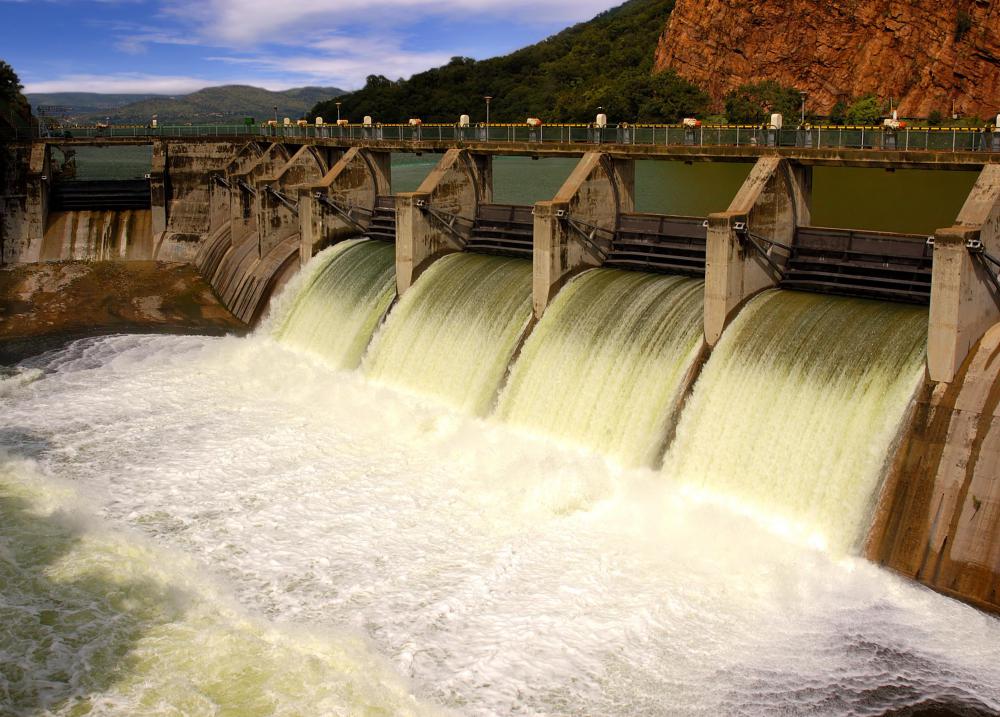
An extremely delicate grass, wild rice is quite sensitive to changes in environment. With the widespread use of dams in the United States, many areas where it formerly grew have not been able to sustain their former populations of the tasty and nutritious grain. Not only is this a pity for consumers who enjoy the crop, but many native peoples hold the grain in high esteem.

Like other grains, wild rice must be winnowed to separate the chaff from the grain. It is harvested green, and after being separated, it may be set out to dry on trays that can be frequently tossed to prevent rot and fungus or parched in a cast iron kettle. Finally, it is threshed to remove the inedible outer hull. This food has a long cooking time, requiring up to 50 minutes.

A commercial, hybrid version of wild rice has been created by the University of Minnesota. This version is what is often found in grocery stores, and is also known as "paddy rice" since it is grown in paddies similar to how brown rice is grown. Many people find that hybridized rice has a different taste from that grown in the wild.
Mary McMahon
Ever since she began contributing to the site several years ago, Mary has embraced the exciting challenge of being a DelightedCooking researcher and writer. Mary has a liberal arts degree from Goddard College and spends her free time reading, cooking, and exploring the great outdoors.
Learn more...
Mary McMahon
Ever since she began contributing to the site several years ago, Mary has embraced the exciting challenge of being a DelightedCooking researcher and writer. Mary has a liberal arts degree from Goddard College and spends her free time reading, cooking, and exploring the great outdoors.
Learn more...AS FEATURED ON:
AS FEATURED ON:


-
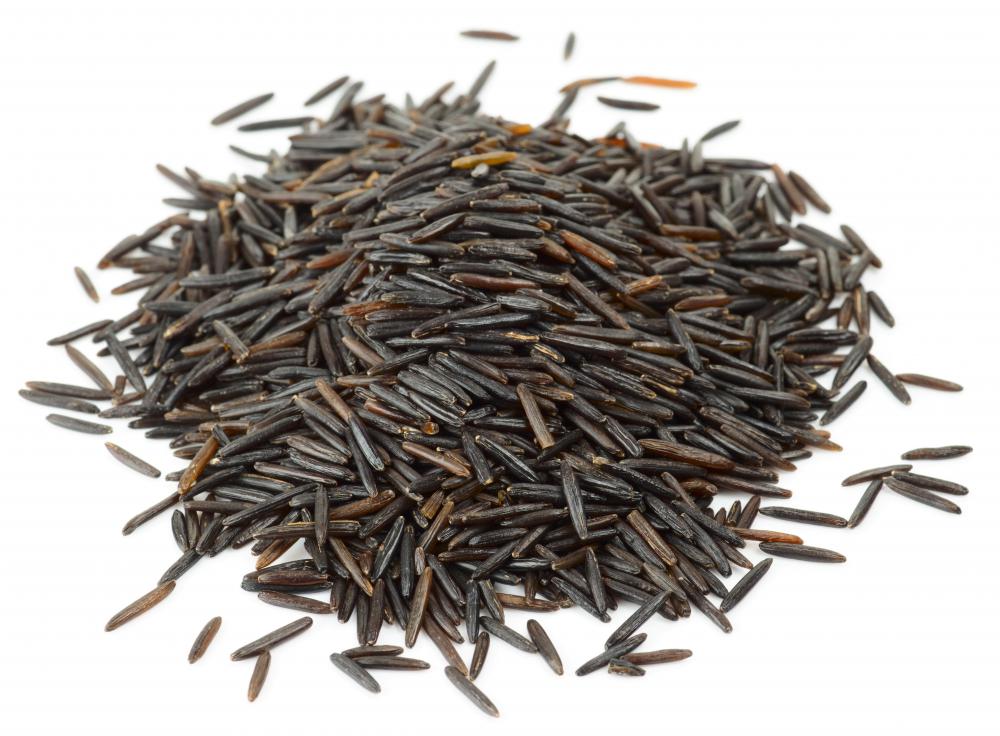
![Close up of dried wild rice.]() By: Kondor83Close up of dried wild rice.
By: Kondor83Close up of dried wild rice. -
![Wild rice plants.]()
Wild rice plants. -
![Different types of rice, including dark wild rice.]() By: Elena SchweitzerDifferent types of rice, including dark wild rice.
By: Elena SchweitzerDifferent types of rice, including dark wild rice. -
![The popularity of dams in the United States has made growing wild rice on native soil much more difficult.]() By: Belinda PretoriusThe popularity of dams in the United States has made growing wild rice on native soil much more difficult.
By: Belinda PretoriusThe popularity of dams in the United States has made growing wild rice on native soil much more difficult.


Discussion Comments
Wild rice that is harvested and finished naturally will have a light greyish/brownish color before and after cooking. Look carefully at the bag. Companies trick people by calling it natural but if it's commercial rice it will say 'paddy grown' or 'cultivated' and most likely black in color. If you want the real thing, there are several online sellers.
how is it I can buy wild rice that will cook faster than others? How do they treat it to make it cook faster? does it lose its nutritional value?
Wild rice is cool!!!
I have about fifty acres of bogland... does anyone know what would be the rate of return for planting wild rice? The property doesn't lend itself to a commercial planting operation since you can't control the flooding.
I harvest wild rice. We started small using canoes and sticks, when our crop was large enough we hired an airboat to harvest. We now have three airboats but little crop these past few years due to high water.
The high price comes from producing a product with few broken rice as possible.
it takes two 60 lb bags of green rice to make one bag of good wild rice.
Post your comments