
At TheHealthBoard, we're committed to delivering accurate, trustworthy information. Our expert-authored content is rigorously fact-checked and sourced from credible authorities. Discover how we uphold the highest standards in providing you with reliable knowledge.
What is Vitamin P?
 Malcolm Tatum
Malcolm Tatum
Malcolm Tatum
Vitamin P, more correctly called flavonoids or bioflavonoids, is a class of substances that are used for many different purposes in plants and are important for human health. It is found in a number of foods and herbs, ranging from red peppers to tea. Though the term "vitamin P" was used to describe these substances from the 1930s to 1950s, it's now outdated.
Types and Sources

There are over 6,000 different types of flavonoids, which are generally categorized by their chemical structure. Some of the categories most commonly used in nutritional supplements are flavones, isoflavones, anthrocyanins, and flavonols. They're found throughout the world in many different types of plants, including many of those eaten by humans. Some of the best sources of vitamin P include black currants, licorice, citrus fruits, beans, garlic, and dark chocolate. They're also found in most wines and teas.
Health Benefits

The main benefits of vitamin P come from its function as an antioxidant. It can neutralize and fight the effects of oxidation and free radicals in the body, which are both associated with aging, cellular damage, and conditions like cancer, Parkinson's disease, asthma, ulcers, allergies, among others. It also helps prevent colds, reduces inflammation, and promotes capillary and circulatory health. In addition to this, flavonoids are thought to increase and regulate the concentration of another antioxidant, glutathione, and has a symbiotic working relationship with vitamin C in which each substance increases the other's effect. Though studies are ongoing, they appear to have an antiviral effect as well, and may help with herpes and certain retroviruses.
Dosage and Side Effects

There are no specific dosage recommendations set for vitamin P, but most daily supplements contain between 500 and 1,000 mg. Most people can get enough flavonoids from a diet that includes lots of fruits and vegetables, but it's important to realize that cooking and processing foods can greatly decrease the concentration of these substances, so those trying to get all of their vitamin P from foods should consider eating more raw or lightly cooked foods. No side effects have been widely reported for these substances even when taken in very high doses, though some people do report having diarrhea, and people may have individual allergies to certain types of bioflavonoids.
Role in Plants

As in humans, vitamin P plays many different roles in plants, including helping seeds and fruit develop, and protecting leaves from ultraviolet (UV) rays. They are also used as signal molecules between plant cells and help protect plants from bacteria, fungi, and pests. Additionally, they play a large role in attracting pollinators to plants to help them reproduce by affecting the plants' color, flavor, and smell.
Malcolm Tatum
After many years in the teleconferencing industry, Michael decided to embrace his passion for trivia, research, and writing by becoming a full-time freelance writer. Since then, he has contributed articles to a variety of print and online publications, including TheHealthBoard, and his work has also appeared in poetry collections, devotional anthologies, and several newspapers. Malcolm’s other interests include collecting vinyl records, minor league baseball, and cycling.
Learn more...
Malcolm Tatum
After many years in the teleconferencing industry, Michael decided to embrace his passion for trivia, research, and writing by becoming a full-time freelance writer. Since then, he has contributed articles to a variety of print and online publications, including TheHealthBoard, and his work has also appeared in poetry collections, devotional anthologies, and several newspapers. Malcolm’s other interests include collecting vinyl records, minor league baseball, and cycling.
Learn more...AS FEATURED ON:
AS FEATURED ON:


-
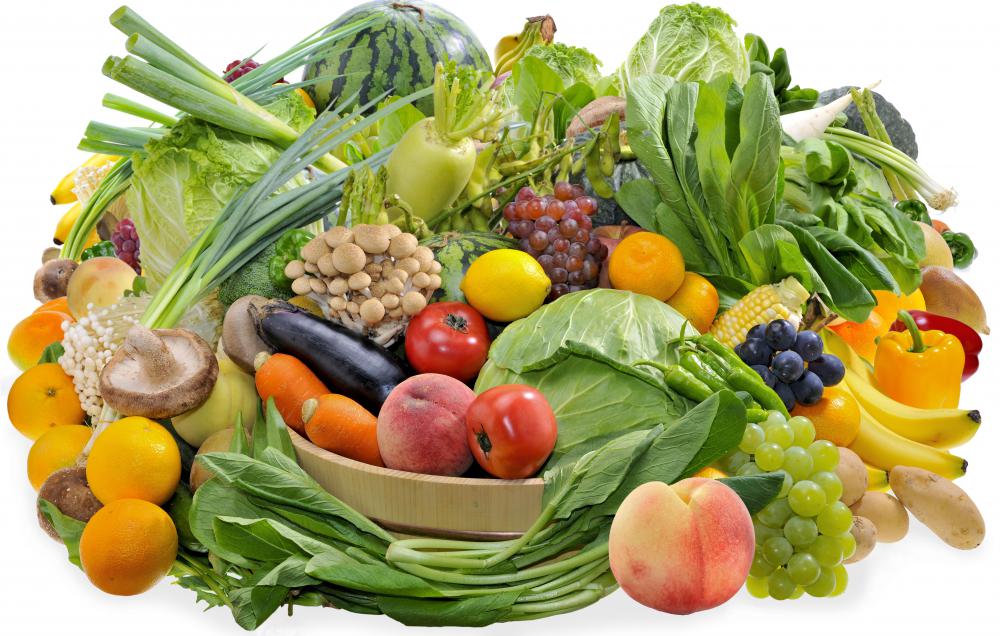
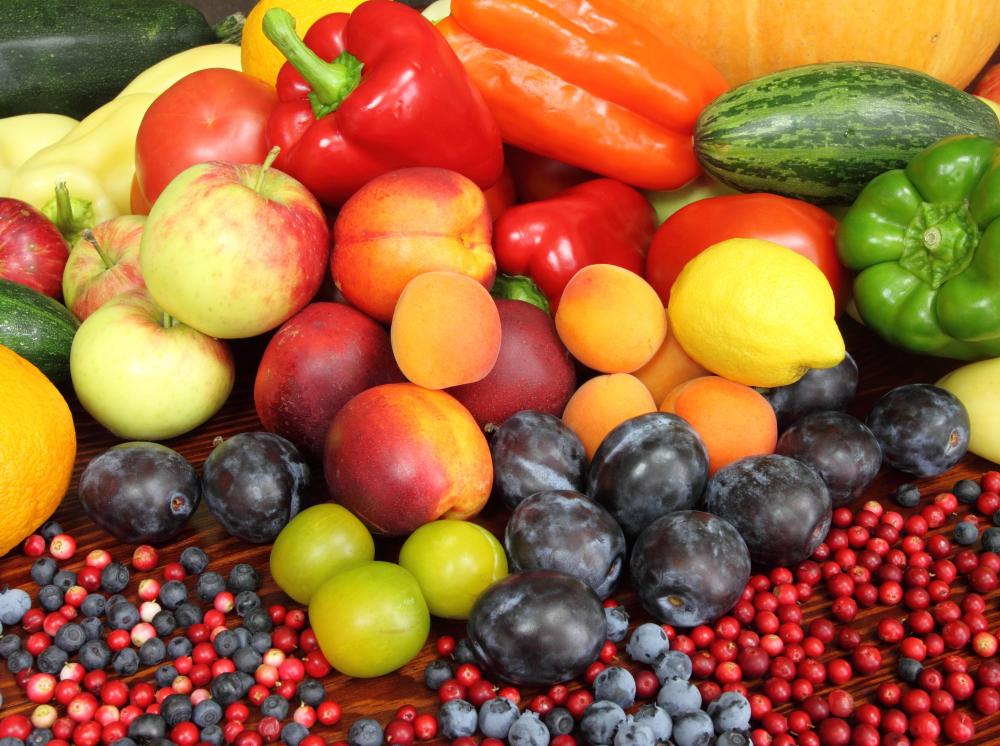
![Fruits and vegetables usually contain enough vitamin P for a daily dose, though cooking often detracts from the concentration.]() By: marucyanFruits and vegetables usually contain enough vitamin P for a daily dose, though cooking often detracts from the concentration.
By: marucyanFruits and vegetables usually contain enough vitamin P for a daily dose, though cooking often detracts from the concentration. -
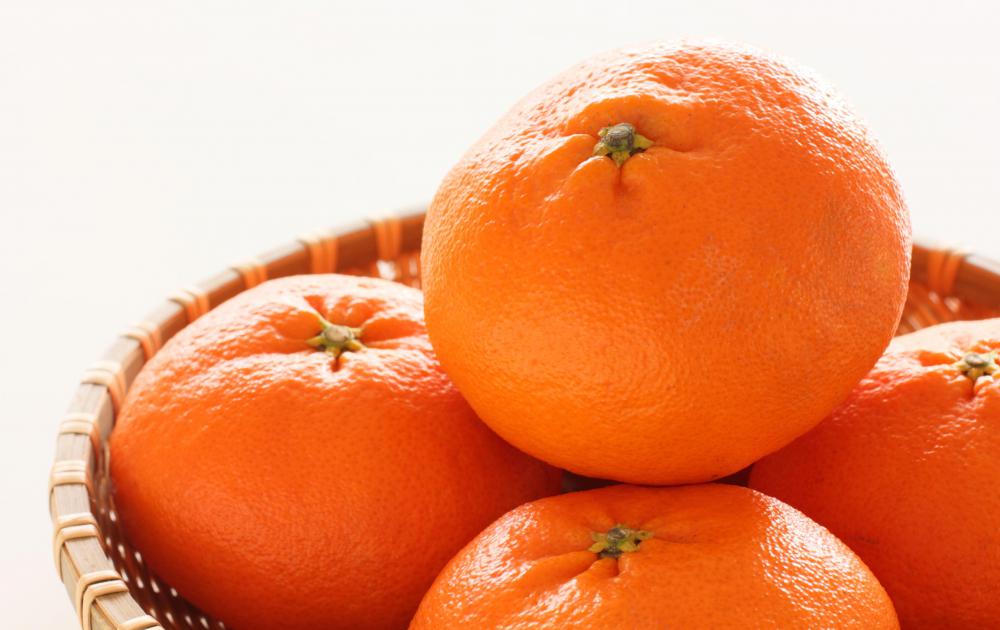
![Citrus fruits are a source of vitamin P.]() By: hanabiyoriCitrus fruits are a source of vitamin P.
By: hanabiyoriCitrus fruits are a source of vitamin P. -
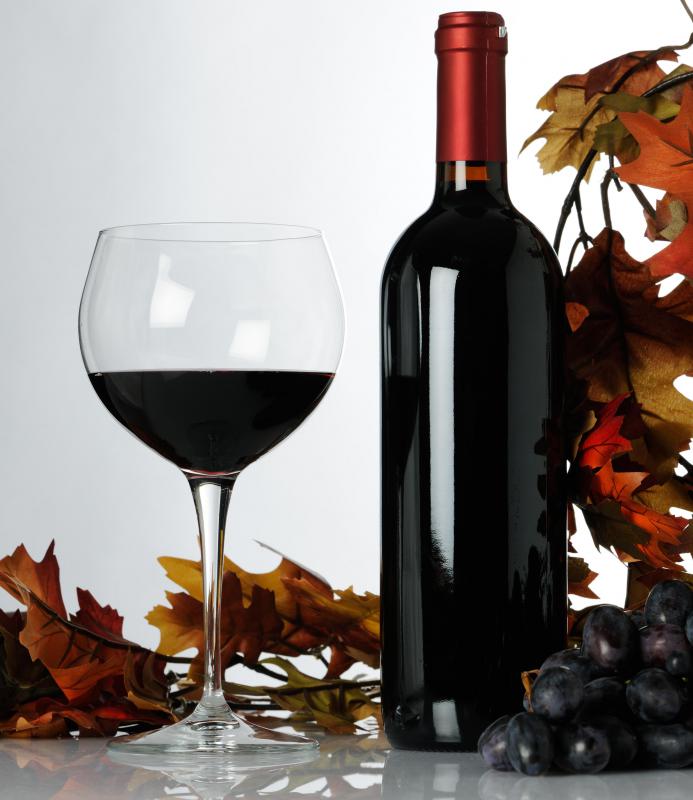
![Most wines contain vitamin P.]() By: Anna KhomuloMost wines contain vitamin P.
By: Anna KhomuloMost wines contain vitamin P. -
![Prunes contain vitamin P.]()
Prunes contain vitamin P. -
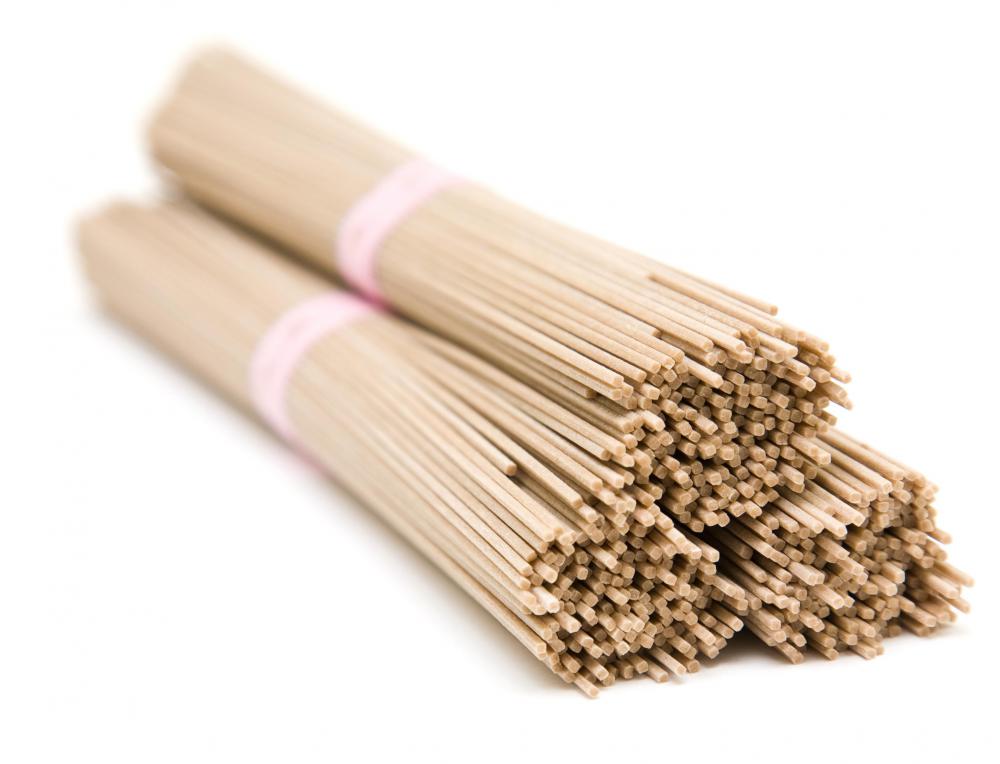
![Soba noodles are made with buckwheat flour, which contains vitamin P.]()
Soba noodles are made with buckwheat flour, which contains vitamin P. -
![Garlic is a natural source of vitamin P.]() By: SchliernerGarlic is a natural source of vitamin P.
By: SchliernerGarlic is a natural source of vitamin P. -
![Flavonoids are responsible for the bright colors of certain fruits and vegetables.]() By: ProfotokrisFlavonoids are responsible for the bright colors of certain fruits and vegetables.
By: ProfotokrisFlavonoids are responsible for the bright colors of certain fruits and vegetables.


Discussion Comments
@BelugaWhale-- Vitamin P helps with spider veins, bruising and bleeding gums because it contains something called "vascutin."
Vascutin strengthens blood vessels and helps them work better. This means that it helps prevent conditions that are caused by the breaking of blood vessels. All there of these conditions I mentioned are caused by broken blood vessels that leads to bleeding inside or outside of tissues.
@andee-- Preferring fruit juice over whole fruit is one of the reasons people experience vitamin deficiencies. Vitamin P is not a vitamin that is commonly talked about and most multivitamin supplements don't contain it. Those who suffer from a vitamin P deficiency probably will not find about it for a long time if ever.
The best way to prevent deficiencies is to eat fruit whole rather than juicing it or buying bottled juice from the store. There are too many benefits in the pulp to throw it away. In addition to vitamin P, it also has a lot of fiber. Fiber not only slows down the absorption of fruit sugar into the bloodstream but it helps maintain regular bowel movements.
It sounds like vitamin P and vitamin K are similar in terms of benefits. For example, I know that vitamin K is also used in skin care products.
Are these two vitamins similar?
I have an uncle who is a pretty heavy smoker and also drinks a lot. He began smoking at a young age and has never quit. He also has a lot of health problems, and I am sure much of that has to do with his lifestyle choices.
If smoking and drinking alcohol drain your body of vitamin P he probably doesn't have much. It seems like there is always something wrong with him, and part of that is because his immune system is so run down.
I know it would be hard for him to make changes at this point of his life, but I think it would do him a world of good. I'm sure he never gave a thought to the vitamin P he was draining from his body, but I bet he gets tired of feeling so bad all the time.
I figured it had a lot of nutrition in it, but just didn't know quite how to get any benefit from it. I think it would taste good baked in some banana bread. Even though it sounds like it is fairly easy to get vitamin P in our diet, I doubt it would hurt to add a little bit more.
I have never really given vitamin P much thought. I think I need to find a way to get more of this in my diet though. I have bleeding gums and every time I go to the dentist, they get worse. I don't like prunes at all, but I do like grapes. Maybe I should start adding some more citrus fruits to my diet.
@BelugaWhale – I did not know about this. I have just developed some spider veins on my legs. I want to try this cream, because the veins just look so ugly!
I've heard that vitamin P will make your body heal faster when you're sick. It also will keep you from bruising easily.
I'm glad that grapes and spinach are good sources of vitamin P. My favorite kind of salad includes spinach, celery, and grapes, along with Italian dressing.
I've heard that the fat in dressing actually helps my body absorb all the vitamins. I make sure I take advantage of the vitamin P by tossing everything with the dressing.
There are so many vitamins and minerals that we can derive from eating natural whole foods. Even scientists haven't discovered them all, and they may never fully know what all fruits and veggies can do for us.
Vitamin P is one example. I have never heard of this, and I don't know when it was discovered, but it has existed since the dawn of fruits and veggies!
Vitamin P is a band from Sacramento.
Vitamin P can also be in cream form to reduce the appearance of spider veins. There's a spider vein and Rosacea day cream with vitamin p that can not just help the spider vein issue, but also help even the skin tone and relieve the redness from Rosacea a little bit.
@bananas - I love that your recommendation for vitamin P suits your name! You'll see many advertisements on the internet for "vitamin P painting," but it isn't what you think - it actually has to do with painting and not painting with the vitamin...
Blackberries are another fruit with a good amount of vitamin P.
Since there are no known negative side effects of too much vitamin P, it is a good idea to have plenty of varied fruit every day.
Post your comments