
At TheHealthBoard, we're committed to delivering accurate, trustworthy information. Our expert-authored content is rigorously fact-checked and sourced from credible authorities. Discover how we uphold the highest standards in providing you with reliable knowledge.
What is Vitamin K?
Vitamin K is considered the "blood clotting vitamin." The name is derived from the German "koagulation" which translates very plainly into the English word "coagulation." A deficiency of this vitamin can lead to serious health problems, including heart attack and osteoporosis.
The most important function of vitamin K is its ability to attract and bind calcium to the proteins in the body. The protein in our bones is called osteocalcin, and without the help of this vitamin, calcium will not stick to this protein. This, in turn, lowers bone density and strength. Studies have shown that diets low in vitamin K can be linked to higher rates of hip and bone fractures in the elderly as well as osteoporosis in postmenopausal women.

Vitamin K also plays a vital role in vascular health. It is the key coagulant in our bodies, and in turn, keeps us from hemorrhaging. Its presence, however, can also decrease calcification in the arteries by properly absorbing the hardened calcium and deteriorating the risk of heart attack caused by hardened arteries.
Few people think about the need for vitamin K until they begin to see signs of a deficiency. Warning signs may include easy or excessive bruising or bleeding, liver damage or disease, low bone density, arterial calcification, and malabsorption in the digestive track. Another warning sign might also be if a doctor has prescribed such blood thinning drugs as warfarin or coumadin. These drugs act as antagonists to the vitamin so that there may be a need for increased daily intake of the vitamin in order to counteract the effects of the drug.

To increase intake of this vitamin, one should add more green, leafy vegetables into the diet. Some foods that are high in Vitamin K1, the primary dietary form, include spinach, broccoli, brussel sprouts, Swiss chard, green leaf lettuce, cauliflower, cabbage, soybeans, liver, olive, soybean and canola oils, and some meats and cheeses. It can also be found in most multivitamins or other dietary supplements.

Vitamin K deficiency is primarily a problem found in adults, however some infants may suffer from a deficiency because their bodies have not yet matured enough to correctly produce it. This deficiency is easily and safely corrected by a Vitamin K shot shortly after birth.
AS FEATURED ON:
AS FEATURED ON:


-
![Spinach, which contains vitamin K1.]() By: Alessio ColaSpinach, which contains vitamin K1.
By: Alessio ColaSpinach, which contains vitamin K1. -
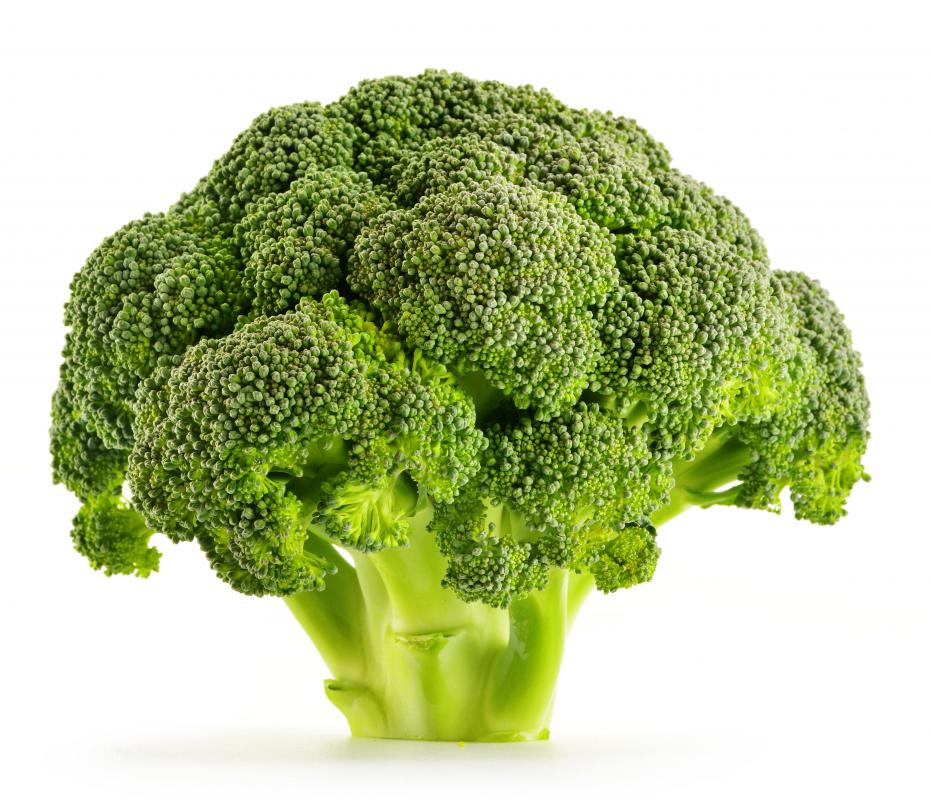
![Broccoli is an excellent source of Vitamin K.]() By: monticelllloBroccoli is an excellent source of Vitamin K.
By: monticelllloBroccoli is an excellent source of Vitamin K. -
![Cauliflower is a good source of vitamin K.]() By: ExQuisineCauliflower is a good source of vitamin K.
By: ExQuisineCauliflower is a good source of vitamin K. -
![Multivitamins may contain vitamin K.]() By: pixelrobotMultivitamins may contain vitamin K.
By: pixelrobotMultivitamins may contain vitamin K. -
![Easy bruising is one warning sign of a Vitamin K deficiency.]() By: PeJoEasy bruising is one warning sign of a Vitamin K deficiency.
By: PeJoEasy bruising is one warning sign of a Vitamin K deficiency. -
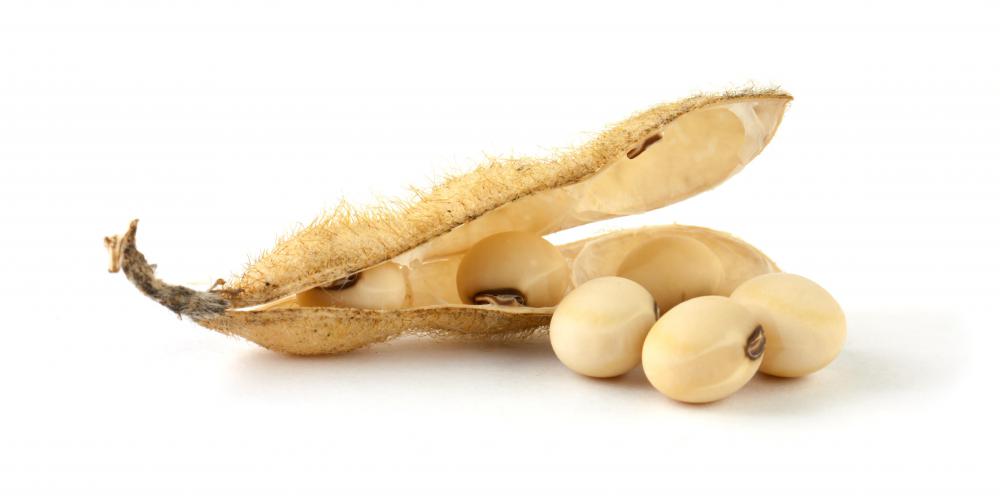
![Soybeans are a good source of vitamin K.]() By: VasiliusSoybeans are a good source of vitamin K.
By: VasiliusSoybeans are a good source of vitamin K. -
![Swiss chard is a good vitamin K source.]() By: QuanthemSwiss chard is a good vitamin K source.
By: QuanthemSwiss chard is a good vitamin K source.




Discussion Comments
As the article mentioned, Vitamin K plays an important role in helping your body make use of calcium. That's why, even if you're taking a calcium supplement, if you're Vitamin K deficient, it won't do any good!
I've noticed that a lot of calcium supplements actually have a small amount of Vitamin K in them. My doctor recommended that I take one of these supplements to make sure I'm getting the right amount of both Vitamin K and calcium. She also recommended I incorporate Vitamin K foods into my diet.
@JessicaLynn - I would recommend you have your sister visit a doctor before she starts taking a supplement. Maybe they can do a test to make sure she's actually deficient in Vitamin K. It's not good to have too much of a Vitamin in your system either, so you want to make sure you actually need it before you start taking a Vitamin.
I actually wasn't that familiar with Vitamin K until recently, and I've found that a lot of my friends don't know what it is either! I think a lot of people are pretty in the dark about vitamins and a good diet. I'm trying to educate myself though. I don't want to take too much or too little of something my body might need!
I wasn't aware of all the Vitamin K benefits before reading this article. However, I'm not worried that I'm Vitamin K deficient, because leafy green vegetables are a huge part of my diet! I eat spinach almost every single day. I also eat cauliflower and broccoli pretty frequently too!
I'm actually afraid my sister might be Vitamin K deficient. She bruises really easily, and she doesn't have the healthiest diet. I think I'm going to suggest that she start taking a supplement so she can be sure she's getting enough Vitamin K.
@Mykol - I am surprised that your nephew had not already had a vitamin K shot, unless maybe the parents had refused it. In American hospitals, the vitamin K shot is routinely administered in the first minutes after birth unless the parents say no to it.
Even home birth midwives often carry either the shot or oral vitamin K. My babies both had the vitamin K shot but I refused the eye ointment. (I was 100% sure of my STD status and I didn't want baby's eyes to be blurring during our first moments together.)
I had never heard of a baby being deficient in Vitamin K until this happened to my nephew.
Evidently his body was not making enough of this and they gave him a Vitamin K treatment with a shot.
Thankfully it only took one shot and that was all he needed to receive the extra boost his body needed.
He has not had any problems since then and has not been required to take any kind of extra Vitamin K since receiving the shot.
My dad was taking Coumadin for a blood thinner for awhile and when he was tested, they found out he had low levels of Vitamin K.
He gets his blood tested often while he is taking the blood thinner, so this is something they can spot easily with him.
His doctor told him he could get more Vitamin K with vegetables, or could add a supplement to his diet.
It is easy to buy Vitamin K at just about any health food store or any place that sells vitamins. It is not very expensive and I think this is the easiest way to make sure you have adequate amounts of this vitamin.
I don't like a lot of the Vitamin K sources when it comes to the recommended foods. There aren't very many green, leafy vegetables that I eat on a regular basis.
Even though I know these vegetables are good for me, I have a hard time eating them. That is why I depend on a daily vitamin to make up for some of the nutrients I don't get in my food.
Hopefully I am getting enough of the Vitamin K my body needs. I haven't had any problems that are mentioned when someone has a deficiency in this vitamin.
Can a simple blood test determine if someone has adequate amounts of Vitamin K?
Most people think someone has osteoporosis because of a deficiency in calcium. It is also important to make sure you have sufficient Vitamin K.
The calcium supplement I take has a Vitamin K dosage of 50% of the recommended daily allowance, along with extra calcium. I also have magnesium in this supplement to help absorb the calcium.
Vitamin K seems to be one of those vitamins that you don't hear much about, but it can cause problems if you don't get enough of it.
Because many people don't eat enough foods that contain this vitamin, it is easy to get what you need by taking a supplement.
It happened to my sister. She was put on a blood thinner because of high blood pressure. A couple of months later, her blood tests showed super high Vitamin K levels. The doctor wasn't sure if this was a false result. Apparently that happens sometimes with blood thinners. So he switched her to another medication, not a blood thinner to see how her Vitamin K levels would change. Her levels went back to normal subsequently.
I thought I'd share it here in case there are others taking blood thinners. Oh and I believe taking Vitamin K supplements can do the same. They can cause excessive Vitamin K levels as well.
Her husband had surgery recently and had multiple bruises in the area of operation. He used a Vitamin K cream and the bruises disappeared in less than a week. Apparently even his doctor was shocked to see how quickly they went away.
I don't have a Vitamin K deficiency but when I bruise, it takes literally months for the bruise to disappear. I still have one on my arm from over a month ago. I was a bit skeptical about Vitamin K cream when I heard about it. But after reading this article, I believe it!
@anon22123-- As far as I know there are three types: Vitamin K1, K2 and K3. But K1 and K2 are the most important for us. There also sub-groups in each category.
Vitamin K1 is said to be the most important because we need to get this from other sources, we can't produce it ourselves. Vitamin K2 is found in various meat products but it's also produced to some degree in our digestive tract.
I've never heard of a Vitamin K2 deficiency. Scientists are not even sure how much of this we need for bodily processes. And there aren't synthetic Vitamin K2 sources anyway (but there are food sourced supplements).
I believe there are synthetic forms of Vitamin K1 supplements available which is good because we need more Vitamin K1 than K2 or K3.
What is the difference between Vitamin K1 and Vitamin K2? Are there others?
About 100mcg of vitamin K is necessary daily, which is not difficult to achieve. One cup of raw spinach for example contains more then sufficient amount of vitamin K.
Post your comments