
At TheHealthBoard, we're committed to delivering accurate, trustworthy information. Our expert-authored content is rigorously fact-checked and sourced from credible authorities. Discover how we uphold the highest standards in providing you with reliable knowledge.
What is Vitamin D?
 Malcolm Tatum
Malcolm Tatum
Malcolm Tatum
Vitamin D is a fat-soluble vitamin that is considered to be important to the healthy function of the human body. Several different types of this vitamin have been identified, including ergocalciferol (Vitamin D1) and cholecalciferol (Vitamin D3). These various types help the body to absorb other nutrients in the bloodstream as well as promoting healthy bone formation and maintenance.
Research does offer support for many of the claims for the importance of vitamin D in the diet. Both traditional and alternative medical practitioners make use of the vitamin when dealing with such ailments as alcoholism, constipation, cramps, eye infections, and various types of allergies. One of the reasons for the varied applications of this nutrient has to do with the fact that it helps to regulate the absorption of other vitamins and minerals in the bloodstream.

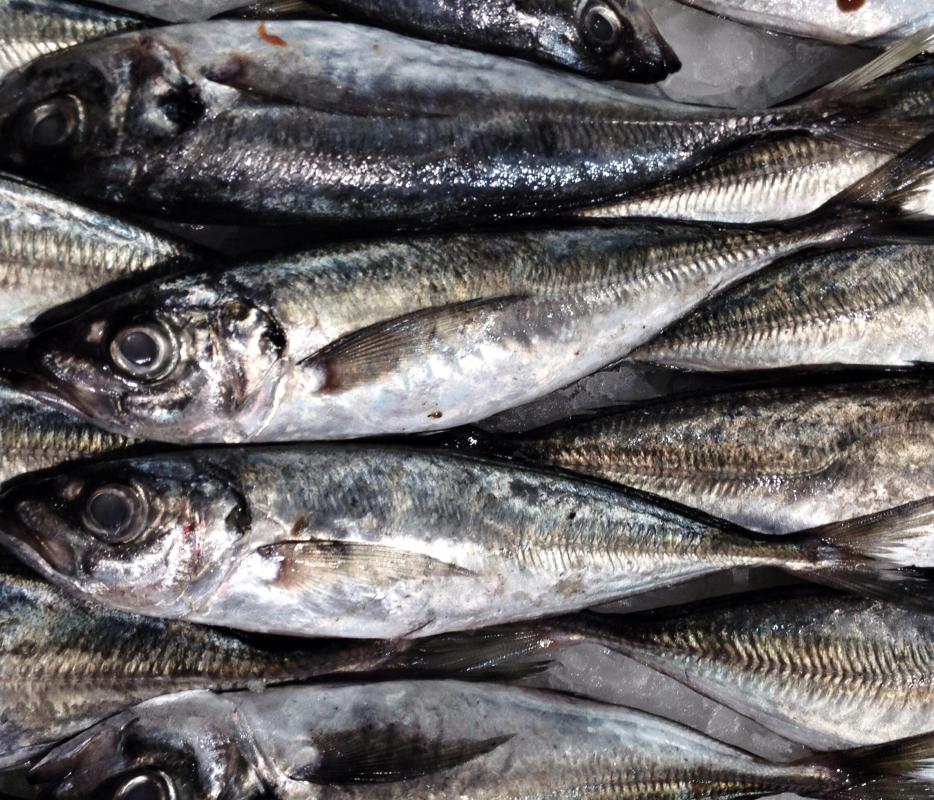
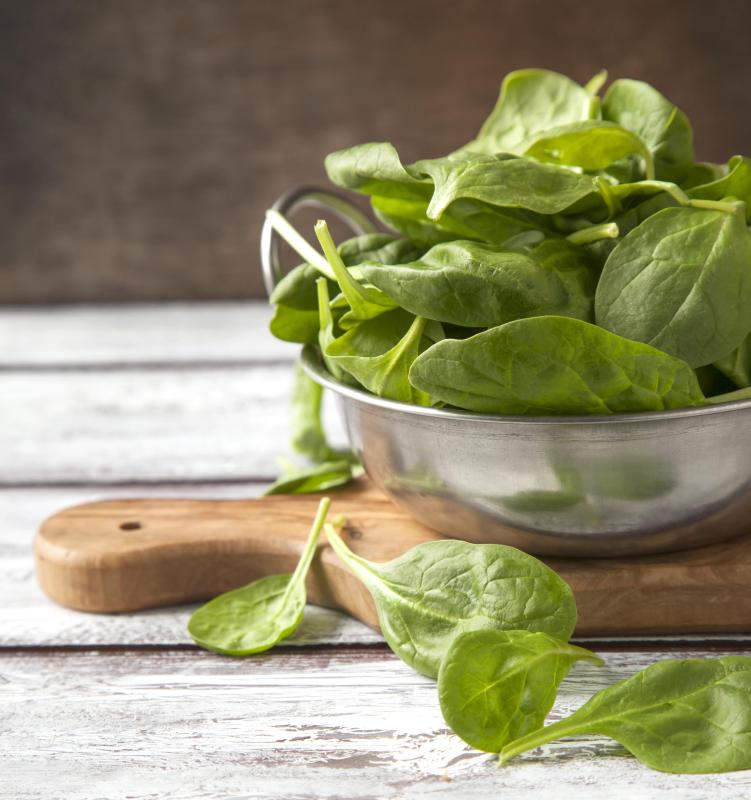
There are a number of food sources for vitamin D, including dairy products, such as milk and butter, egg yolks, and tuna and sardines. Several green leafy vegetables, such as spinach, provide a good source of the vitamin in a single serving. Natural sources are usually most easily absorbed by the body.
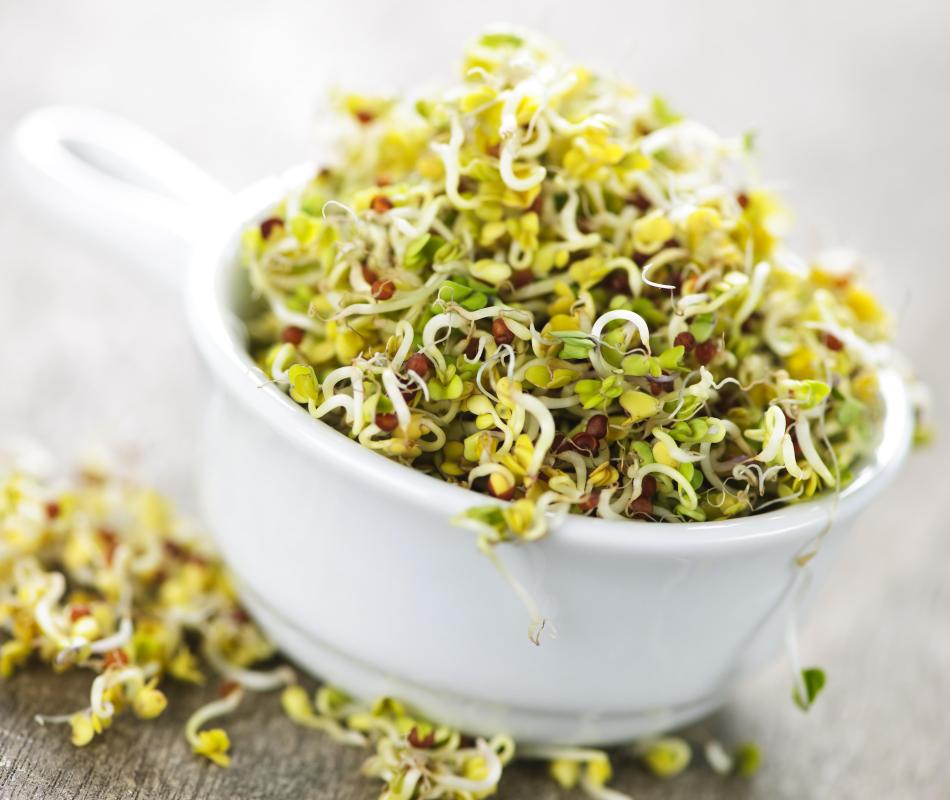
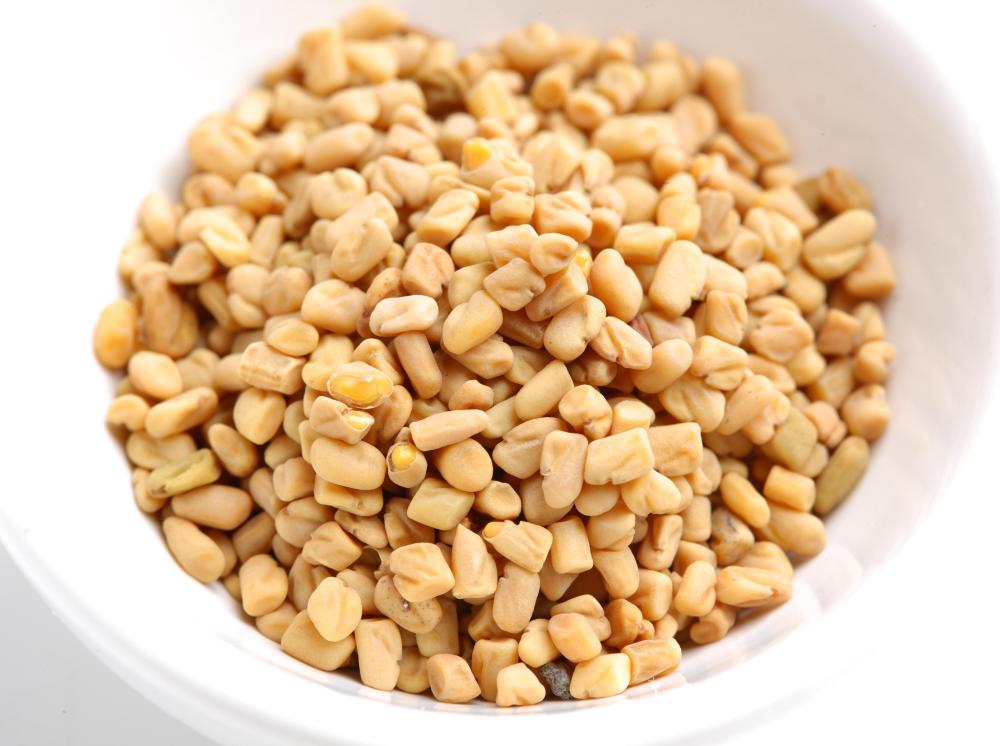
Several common herbs are offer this vitamin, including eyebright, alfalfa, and fenugreek. The consumption of these herbs can be an excellent way for people with dairy allergies or who choose to enjoy a vegan diet to still get enough of this nutrient. Vitamin D supplements in capsule and tablet form are also available.

Along with consuming foods or taking supplements, short periods spent in sunlight will also help. Direct contact with a limited amount of natural sunlight helps the body to make its own vitamin D3. The same effect cannot be obtained with the use of artificial light.
Deficiencies in vitamin D can lead to softening of the bones, as well as decreasing the ability of the body to make use of calcium and phosphorus. The body may also not be able to clot blood as well. In some instances, a deficiency can affect the brain and nervous system, reducing the body's ability to respond properly to stress, decreasing the efficiency of the liver, and even triggering heart palpitations. There is also some evidence that a lack of this vitamin can increase a person's risk of developing colon cancer.
Malcolm Tatum
After many years in the teleconferencing industry, Michael decided to embrace his passion for trivia, research, and writing by becoming a full-time freelance writer. Since then, he has contributed articles to a variety of print and online publications, including TheHealthBoard, and his work has also appeared in poetry collections, devotional anthologies, and several newspapers. Malcolm’s other interests include collecting vinyl records, minor league baseball, and cycling.
Learn more...
Malcolm Tatum
After many years in the teleconferencing industry, Michael decided to embrace his passion for trivia, research, and writing by becoming a full-time freelance writer. Since then, he has contributed articles to a variety of print and online publications, including TheHealthBoard, and his work has also appeared in poetry collections, devotional anthologies, and several newspapers. Malcolm’s other interests include collecting vinyl records, minor league baseball, and cycling.
Learn more...AS FEATURED ON:
AS FEATURED ON:


-
![Vitamin D supplements.]() By: Mara ZemgalieteVitamin D supplements.
By: Mara ZemgalieteVitamin D supplements. -
![Alfalfa is a good source of vitamin D.]() By: ElenathewiseAlfalfa is a good source of vitamin D.
By: ElenathewiseAlfalfa is a good source of vitamin D. -
![Fenugreek is a good source of Vitamin D.]() By: jedi-masterFenugreek is a good source of Vitamin D.
By: jedi-masterFenugreek is a good source of Vitamin D. -
![Vitamin D is useful in treating alcoholism.]() By: kmiragayaVitamin D is useful in treating alcoholism.
By: kmiragayaVitamin D is useful in treating alcoholism. -
![Sardines are a good source of vitamin D.]() By: nitoSardines are a good source of vitamin D.
By: nitoSardines are a good source of vitamin D. -
![Spinach contains a high level of vitamin D.]() By: anjelagrSpinach contains a high level of vitamin D.
By: anjelagrSpinach contains a high level of vitamin D.


Discussion Comments
I have been told that I have a vitamin D deficiency and should take more vitamin D and at the same time have high potassium levels and told to cut back on leafy vegetables, certain fruit, spinach, and milk (all good sources of vitamin D). It does not make sense to me. What can cause both of these conditions at the same time?
i am quite frustrated that i am being told what pet vitamins are, what vitamin D is, but no one can tell me the answer to "What are vitamins?"
People over 50, both men and women, but in particularly women have to make sure they get enough vitamin D.
Daily recommendation has been upped to about 800 even to a 1000 International Units. Getting enough vitamin D helps the body absorb vitamin C, a big part of general bone health.
Post your comments