
At WiseGEEK, we're committed to delivering accurate, trustworthy information. Our expert-authored content is rigorously fact-checked and sourced from credible authorities. Discover how we uphold the highest standards in providing you with reliable knowledge.
What is Vitamin C?
Vitamin C is an essential nutrient responsible for manufacturing compounds and aiding in basic chemical functions. Humans must ingest this vitamin, also called ascorbic acid, because it cannot be made by the body. People can get their daily allowance by eating raw fruits and vegetables as part of a healthy diet.
The human body uses vitamin C to complete a variety of chemical reactions, like providing energy to cells and sending information through neurons. It helps synthesize norepinephrine, a neurotransmitter that carries messages along the nervous system. The vitamin is required for the body to make collagen, the substance that builds bone, blood vessels, ligaments, tendons, and cartilage. Vitamin C even metabolizes cholesterol, which means it may help lower cholesterol levels. Additionally, it helps the body absorb iron.

Another major nutritional role of vitamin C is as an antioxidant. Antioxidants are molecules that bond to free radicals, which could otherwise float freely and damage healthy tissue. By reducing the number of free radicals, antioxidants protect molecules like DNA, lipids, protein, and carbohydrates. They also detoxify the bloodstream of chemicals from cigarette smoking.

Since vitamin C is water soluble, fresh and raw fruits and vegetables are our best natural source. Foods high in this vitamin include red peppers, oranges, pineapple, tomatoes, nectarines, strawberries, broccoli, and potatoes. The recommended daily allowance has been recently increased to around 80 mg, depending on a person's age and gender. Most people get enough through their diet or from vitamin-fortified foods like apple juice. Some people take it as part of a vitamin supplement, but it is generally recommended that a person's daily intake not exceed 1,000 mg, as an excessive amount might be toxic.

Vitamin C has been shown to reduce the risk of major diseases. It has always been the only way to cure scurvy, a disorder caused by malnutrition, but it also lowers a person's chances of developing high blood pressure, cataracts, heart disease, and even cancer. The interaction of vitamins with serious illnesses is still being studied and more fully understood.
AS FEATURED ON:
AS FEATURED ON:









-
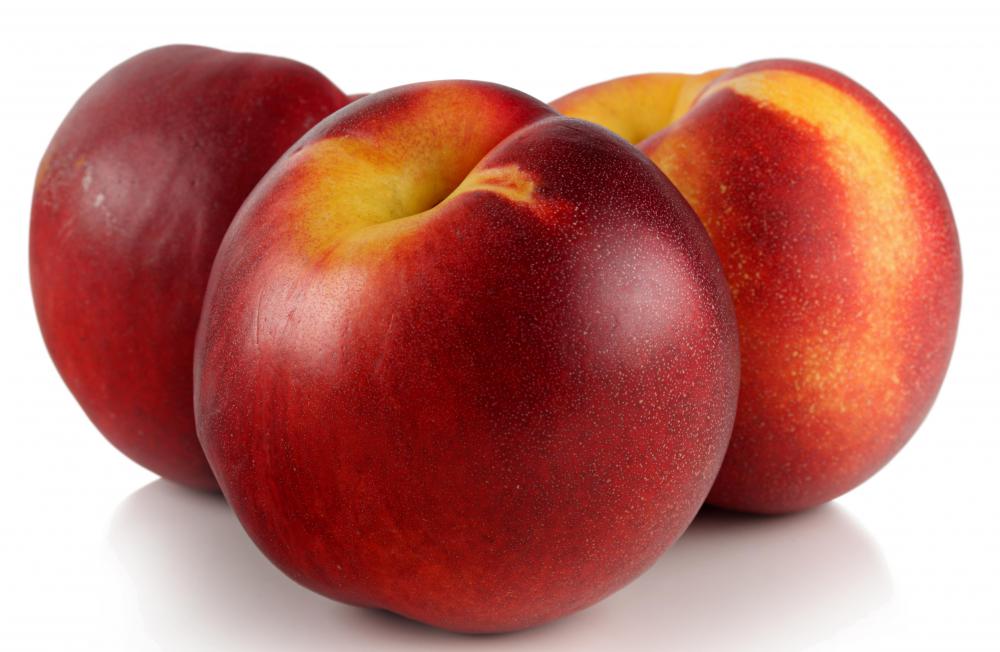
![Nectarines are a good source of vitamin C.]() By: stolegNectarines are a good source of vitamin C.
By: stolegNectarines are a good source of vitamin C. -
![Yellow tomatoes are rich in vitamin C.]() By: martinleeYellow tomatoes are rich in vitamin C.
By: martinleeYellow tomatoes are rich in vitamin C. -
![Oranges, which contain vitamin C.]() By: illustrez-vousOranges, which contain vitamin C.
By: illustrez-vousOranges, which contain vitamin C. -
![Apples, like this Red Delicious, are a good source of fiber and vitamin C.]() By: denphumiApples, like this Red Delicious, are a good source of fiber and vitamin C.
By: denphumiApples, like this Red Delicious, are a good source of fiber and vitamin C. -
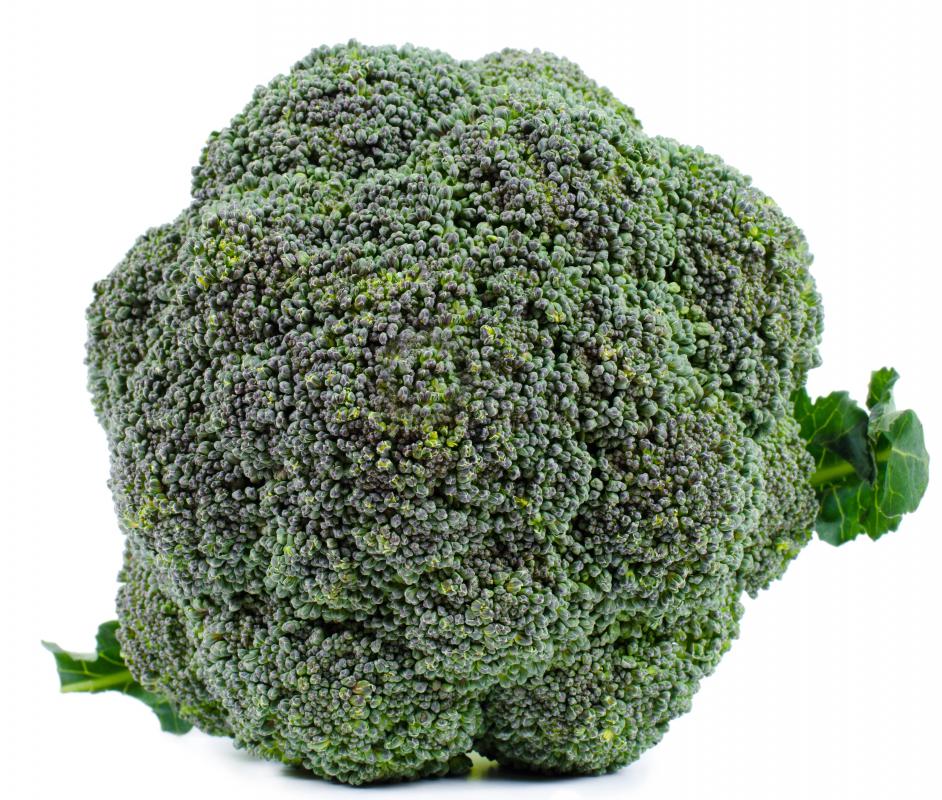
![Certain vegetables, including broccoli, contain high amounts of vitamin C.]() By: Daddy CoolCertain vegetables, including broccoli, contain high amounts of vitamin C.
By: Daddy CoolCertain vegetables, including broccoli, contain high amounts of vitamin C. -
![The antioxidants in Vitamin C can help cigarette smokers detoxify their bloodstreams.]() By: Mr Korn FlakesThe antioxidants in Vitamin C can help cigarette smokers detoxify their bloodstreams.
By: Mr Korn FlakesThe antioxidants in Vitamin C can help cigarette smokers detoxify their bloodstreams. -
![Vitamin C can help boost a person's immune system.]() By: SLDigiVitamin C can help boost a person's immune system.
By: SLDigiVitamin C can help boost a person's immune system. -
![Tangerines contain vitamin C.]() By: hanabiyoriTangerines contain vitamin C.
By: hanabiyoriTangerines contain vitamin C. -
![Pineapple is high in vitamin C.]() By: OkeaPineapple is high in vitamin C.
By: OkeaPineapple is high in vitamin C. -
![Vitamin C is the only treatment for scurvy.]() By: quaysideVitamin C is the only treatment for scurvy.
By: quaysideVitamin C is the only treatment for scurvy. -
![While a vitamin C deficiency can lead to serious health problems, large doses of vitamin C may cause nausea and headaches.]() By: lithianWhile a vitamin C deficiency can lead to serious health problems, large doses of vitamin C may cause nausea and headaches.
By: lithianWhile a vitamin C deficiency can lead to serious health problems, large doses of vitamin C may cause nausea and headaches. -
![It's generally best to get Vitamin C from food rather than supplements.]() By: Brian JacksonIt's generally best to get Vitamin C from food rather than supplements.
By: Brian JacksonIt's generally best to get Vitamin C from food rather than supplements.





Discussion Comments
Yes it is bad if you drink too much orange juice.
Most people get enough vitamin C through diet, or vitamin-fortified foods like apple juice. Occasionally, one might take a vitamin supplement, but it is generally recommended that your daily intake should not exceed 1000 mg, as an excessive amount might be toxic.
Does temperature effect the amount of vitamin C in orange juice? If I heated it, would the amount increase or decrease and why?
Flushing of the face is a side-effect of large doses of vitamin C. On the other hand, because it's a water-soluble nutrient, usually too much vitamin C in your system just gets washed away with the rest of the waste.
One liter of oj per day isn't enough vitamin C to harm most adults, unless you happen to have a particular sensitivity.
On the other hand, that's quite a bit of juice. If I were you, I'd be worried about weight gain from the sugar in the juice.
can a person drink too much orange juice a day? i drink a liter or more and my skin is getting all red and blotchy...would that be from too much oj, too much vitamin c???
Post your comments