
At TheHealthBoard, we're committed to delivering accurate, trustworthy information. Our expert-authored content is rigorously fact-checked and sourced from credible authorities. Discover how we uphold the highest standards in providing you with reliable knowledge.
What is Visceral Fat?
Visceral fat, or abdominal fat, is a type of body fat that exists in the abdomen and surrounds the internal organs. Everyone has some, especially those who are sedentary, chronically stressed, or maintain unhealthy diets. A different type of fat — subcutaneous fat — which builds up under the skin, has less of a negative impact on health and is easier to lose than visceral fat. In fact, excessive deposits of visceral fat are associated with many serious health problems including cardiovascular disease, types 2 diabetes, and increased blood pressure. Though it is possible to lose, it requires a larger commitment than spot exercises, like sit ups or crunches; a combination of cardiovascular activity and a lean diet is typically required.
Causes of Development

People gain abdominal fat for a variety of reasons, including eating lots of high fat or high sugar foods, and maintaining an inactive lifestyle. Not exercising for long periods of time often leads to a cumulative effect in which people gain more abdominal fat quicker over time, but a little exercise can greatly inhibit its development. Lifestyle factors, like not getting enough sleep or being stressed also increase the chances of developing this type of fat. Some studies show that people who routinely experience discrimination or harassment are prone to develop deposits of this fat.

Some causes are outside of people's control — aging is a major factor in gaining this type of fat, as people tend to lose muscle mass as they age, leaving them with a higher percentage of body fat in general. This also changes the way the body burns calories, making it easier to gain abdominal fat. Hormonal changes also play a large role, particularly in menopausal women. Some people are also genetically pre-disposed to gaining it, even if they don't have a lot of subcutaneous fat. In fact, a person may be within a healthy weight range, but still have too much fat around the internal organs.
Effects on Health

Visceral fat is associated with a number of negative effects on health, including increased blood pressure; dementia; cardiovascular disease; hormonal imbalances; and insulin resistance, which can lead to type 2 diabetes. The deposits of fat actually act similarly to an organ, and excrete substances that affect the surrounding organs. It's thought that abdominal fat may be particularly risky because it's near the main vein that carries blood into the liver from around the intestines. Some of the substances excreted by the fat, particularly loose fat cells, can get taken into the liver and then influence the levels of fat and cholesterol in the blood. Abdominal fat is also closely associated with increased LDL and decreased HDL cholesterol levels, as well as breast cancer, endometrial cancer, and colorectal cancer.
Losing Visceral Fat

People can often reduce deposits of visceral fat by a combination of aerobic exercise and changes in diet. Researchers recommend a minimum of 30 minutes of aerobic activity like brisk walking or jogging at least four times a week. Stomach exercises, like sit-ups, build muscle in the area, but won't reduce this kind of fat. Additionally, resistance training, like using exercise machines, can help with subcutaneous fat, but not abdominal fat. Doing any type of aerobic exercise can have a significant impact on visceral fat, which may last for up to a year after any weight loss occurs.

In terms of diet, a meal plan that's heavy on fruits and vegetables, high fiber foods like whole grains, and lean meats can help with losing visceral fat. It's also best to avoid sugary drinks and products that are heavy in saturated fat, like butter or fatty cheeses, and use natural cooking oils that are high in monounsaturated and polyunsaturated fats. Appropriate portion sizing is also important. As individual diet requirements vary, it's best to consult a doctor or nutritionist when trying to lose abdominal fat.

Lifestyle changes can also help. As smoking and excessive drinking can lead to increased visceral fat, it's best to moderate or break these habits. Also, getting enough sleep is very important for losing fat. Some studies show that meditating or praying can help with this type of weight loss, as they can lower a person's stress levels.
AS FEATURED ON:
AS FEATURED ON:


-
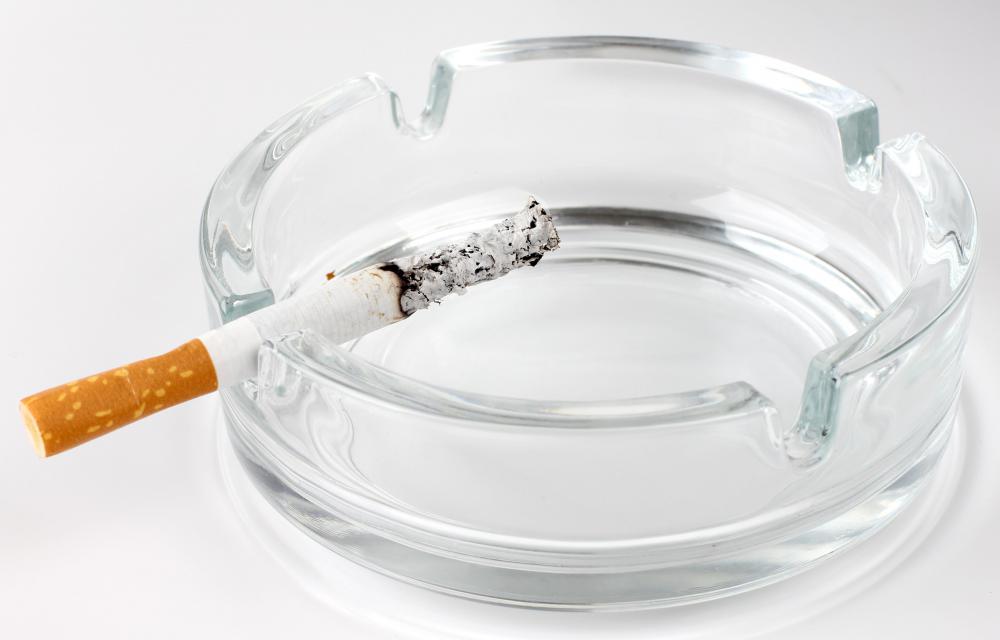
![Smoking can lead to an increase in visceral fat.]() By: Ðиколай ÐÑигоÑÑевSmoking can lead to an increase in visceral fat.
By: Ðиколай ÐÑигоÑÑевSmoking can lead to an increase in visceral fat. -
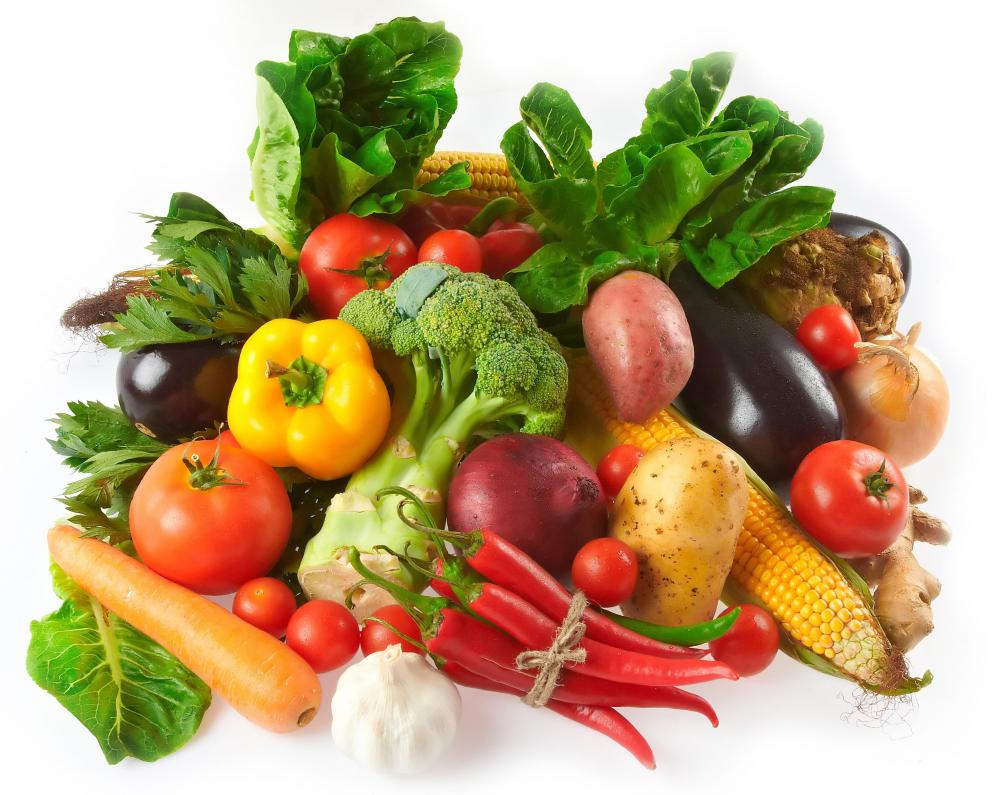
![Eating a diet high in fruits and vegetables can help reduce visceral fat.]() By: Ovidiu IordachiEating a diet high in fruits and vegetables can help reduce visceral fat.
By: Ovidiu IordachiEating a diet high in fruits and vegetables can help reduce visceral fat. -
![Walking or jogging regularly will help reduce visceral fat.]() By: ikoWalking or jogging regularly will help reduce visceral fat.
By: ikoWalking or jogging regularly will help reduce visceral fat. -
![Getting enough sleep can help keep visceral fat from forming.]() By: Karin & Uwe AnnasGetting enough sleep can help keep visceral fat from forming.
By: Karin & Uwe AnnasGetting enough sleep can help keep visceral fat from forming. -
![Visceral fat is a type of fat that exists in the abdomen.]() By: VRDVisceral fat is a type of fat that exists in the abdomen.
By: VRDVisceral fat is a type of fat that exists in the abdomen. -
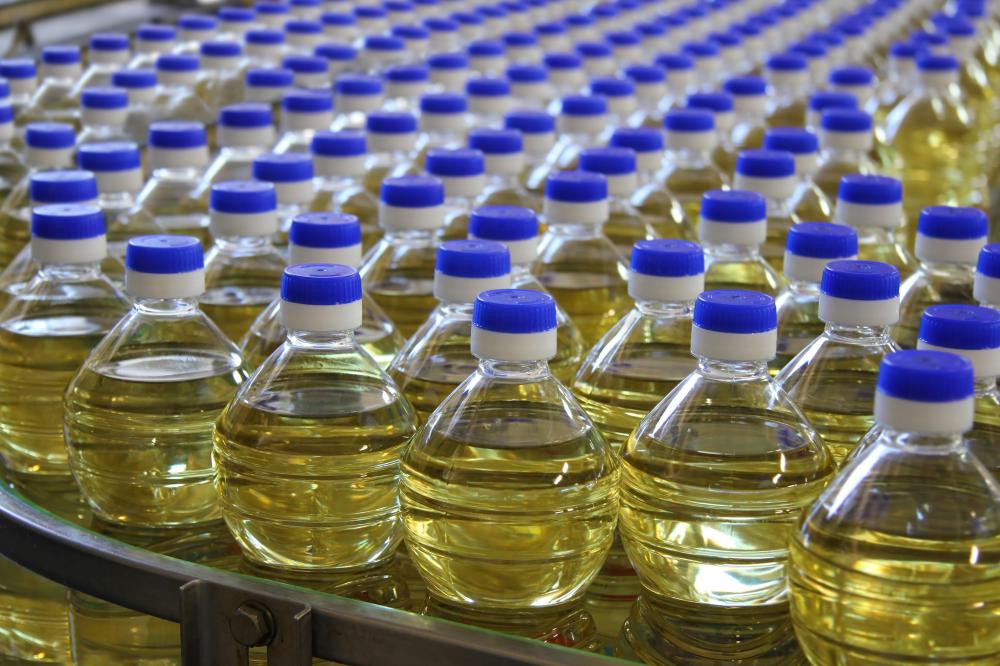
![Widely viewed as one of the healthiest types of cooking oil, canola oil is high in monounsaturated fats.]() By: branexWidely viewed as one of the healthiest types of cooking oil, canola oil is high in monounsaturated fats.
By: branexWidely viewed as one of the healthiest types of cooking oil, canola oil is high in monounsaturated fats.


Discussion Comments
How can you tell if you have a lot of subcutaneous fat?
I'm not sure if I'm losing any visceral fat. My diet has changed drastically as I intake more fruits and veggies. I also added green tea to the diet but I drink that like a fish. I work out six days out of the week and it can last up to two to three hours, depending on the activity.
I practice badminton twice a week for nearly three hours, then I head off to lift weights doing 55 reps of upper and lower body. After the lift, then I jog/run for 35 minutes at a 9-11 min mile pace. After that, I swim about 100-300 meters depending on how I feel that day. As far as stress goes, just take what you can handle and you would be stress free. Remember, it's all in the mind!
All this talk about stress. If you go running for a few miles, you'll have less stress, drain that body, make it need more energy and you will become the next hulk! (or at least healthier and less chubby.).
Swimming doesn't help? Micheal Phelps doesn't look like he has too much visceral fat to me. Neither do any of the other swimmers.
Thanks wise geek. I recently posted a blog about the different types of fat and this info came in handy. I made reference to it and linked to it. I love wise geek.
I have visceral fat and exercise has really helped in losing the fat. The problem is that I have a hard time excercising because of the inner fat surrounding my heart. I have severe pain and shortness of breath. One hour is impossible for me to exercise vigorously. Any suggestions?
It is close minded to assert that long duration activity at moderate levels(cardiovascular endurance) at a certain percentage of mhr is the best way to tap into stored body fat (visceral and subcutaneous) because so many variables are involved. The zone you train in is one of them and time involved. Concerning the general public, interval training is usually prescribed for this reason. It is important to note that sub-maximal exercise does little in the way of maximizing results especially when dealing with "stubborn belly- fat"
I'm with Judy - try the RVL program. It's got a supplement that targets visceral fat. I wouldn't have believed it if it wasn't working for me personally.
I have added RVL a meal replacement and supplement to my exercise routine, and have amazing results with eliminating visceral fat!
There is a machine that you hold in your hand and it measures the percentage of visceral fats on your body.
The visceral fat for men is supposed to be four, and up to eight is allowed. If it is more than that, it's high time to concentrate on your health. get the help of your nutritionist.
I,m a 59 year old male who has always been active. With age comes problems, and mine is stenosis. It is a lot more difficult not being able to exercise to stay in shape. I have always eaten what I wanted and kept my weight down. My problem is trying to learn how to adjust what I eat and how much I eat to lose the weight I do not need. Maybe some motivational advice is what I need! kcaz
I am a 32 year old male and I have high visceral fat. The over all fat percentage is 14 percent and my subcutaneous fat is also less. I am 5'6" and my weight is 142 pounds. I do about 1 1/2 hours of workout every morning by playing badminton or squash or jogging. I eat very healthy food. I am a vegan and don't eat any junk food or processed or tinned food. Not even refrigerated food.
My visceral fat still has not reduced. I measure it with a weighing machine that sends an electric signal through one foot and receives through the other foot. The visceral fat reading is 7.4 for the past one year. It has not reduced even with my healthy lifestyle.
Someone with a bad ankle asked about fitness machines, because walking was difficult.
You can buy 'cross-trainers' for £100 (I would not pay less) which are good value for money. They are better than walking as there is no jarring on the joints.
Three sessions of 10 -12 minutes per day would reduce fat and improve cardiovascular health.
The only problem is boredom - listen to radio, work out mathematical problems in your head etc.
Mine is four years old and has been excellent value.
anon32035,
Gravity does keep you afloat in water. It is gravity that holds the water down with enough force to cause your body, which has a lower density, to float. That sentence is written in a confusing manner, but nonetheless, it is true. Gravity does, in effect, keep your body afloat. Why this matters when it comes to visceral fat loss, I agree with your "ehhhh, mmmyeaah" because as long as you swim to get your heart rate up, it will not matter what medium you are performing that exercise in.
Cheers.
Thanks for the comments. Here's a more precise way to ask the question: Is there a technique that can reduce visceral fat itself, distinct from the conventional kind? A way that does not require much walking (bad ankle)?
"in order to burn any fat you need to increase your heart rate long enough for your body to dig into its glucose reserve (which is stored in fat)"
Glucose is stored as glycogen in the muscles. Your fat is just that: fat.
FYI, the "Omron HBF-516 Full Body Composition Monitor and Scale" will measure this fat along with other things.
Does anybody know what causes visceral fat? I have recently been told that I have untreated sub-clinical hypothyroidism, could this have anything to do with it? Comments please!
fat around abdomen is both visceral and subcutaneous. visceral is that which is deeper and surrounds organs. subcutaneous is the fat which is directly under and attached to the skin.
yes doing longer bouts of aerobic exercise will burn more fat... the longer you maintain an elevated heart rate the better.
stress doesn't cause fat. stress increases cortisol (a hormone) levels which slows down the metabolism.
Dear anon32035 --
How can we properly thank you for your useful contribution to this forum...
gravity keeps the body afloat? walking is better that swimming? ehhhh, mmmyeaah.
This article recommends walking briskly. Good idea, except that I have damaged ankles and can't do that. But I am an avid cyclist; what about that? And what about cardio machines in gyms for when the weather does not permit cycling?
Thanks for looking into this. I'm used to being a fit person, but this layer of fat feels like a malign tumor of some kind.
For those who worry about detecting a pot belly early on, this would mean that flexing the abs and "feeling" how much fat lies above them is not a good indicator of a growing belly, correct? Do we understand correctly that visceral fat develops *under* the muscle layer and therefore cannot be detected by this method?
What percentage of visceral fat is good for our body? How much is better?
How do you reduce visceral fat?
subcutaneous fat is all fat that is directly under and attached to the epithelial layer of the dermis (skin), therefore visceral fat is at one point subcutaneous fat and vice versa.
in order to burn any fat you need to increase your heart rate long enough for your body to dig into its glucose reserve (which is stored in fat) thus aerobic exercise is key, but short bursts of high intensity won't be as effective as 30-60 mins of moderate activity on most days of the week... ie a brisk walk for 30minutes. with longer moderate exercise you are working on cardiovascular endurance which is very important for good health and longevity.
From your article I assume that a more intensive aerobic exercise such as jumping rope, would reduce visceral fat at a faster rate. Is this correct ?
How can you tell if the fat around your abdomen is visceral fat or subcutaneous fat? I have a lot around my abdomen that I would like to lose. So far the exercising has been helping.
If I may the legendary Root Boy slim,
"Dare to be fat ... fat is where its at ..."
"having a ball with cholestorol ..."
"come on y'all ... it don't matter at all..."
Yes, stress seems to affect all health problems by making them worse. It shows how important it is not to become too stressed out!
I absolutely hate that stress can cause cause the worst kind of fat! Like those of us who are stressed need any more problems! And then that it is the hardest fat to lose too. Wow, if that's not advocating cutting down on stress, I don't know what is!
Post your comments