
At HomeQuestionsAnswered, we're committed to delivering accurate, trustworthy information. Our expert-authored content is rigorously fact-checked and sourced from credible authorities. Discover how we uphold the highest standards in providing you with reliable knowledge.
What is Vellum?
 Mary Elizabeth
Mary Elizabeth
Mary Elizabeth
Vellum is a type of paper-like writing surface that has been used for centuries in various forms. Ancient vellum was made from the skin of mammals such as calves or goats. Modern forms are made from wood pulp cotton fibers that have been treated. It generally is more durable than paper and is most often used for special documents or other manuscripts that are meant to be preserved.
Preparation in Ancient Times

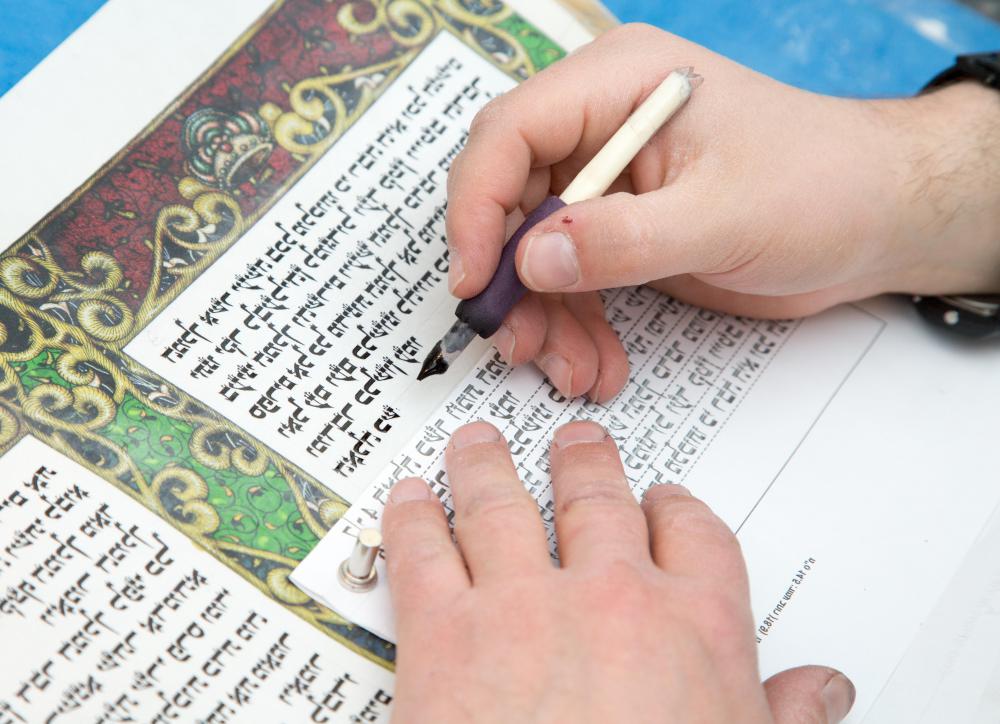
Originally, "vellum" referred to a translucent white writing surface made by the Hebrews before 1000 BC. It was prepared from untanned calfskin by drying it under tension after it was cleaned, de-haired and scraped. After it was stretched, it was polished with pumice, which is an abrasive, and talc, which is a filler, as a final preparation for writing. In the Middle Ages, illuminated manuscripts were prepared on vellum, as were other documents.

Later, vellum was prepared from the skins of stillborn animals. Sometimes, goatskin or sheepskin was used to make parchment referred to by this name. The names "parchment" and "vellum" are sometimes used interchangeably. Besides being used for writing, it has been used to make drumheads and lampshades.
Modern Preparation
In the late 19th century, a paper product with properties similar to vellum was created by treating and embossing wood pulp and/or cotton fiber. This paper is thick, ivory-colored and semi-translucent with a low gloss. It also might be called vellum paper, imitation vellum, vegetable vellum, or Japanese vellum.
Modern vellum paper is available in a variety of colors for documents, diplomas and projects such as making cards, announcements or programs; tracing; and scrapbooking. This paper comes in white and cream varieties as well as pastels, bright colors and pinstripes. Marbled paper is another option, and metallic and speckled designs also can be found. Embossed variations can also be purchased, and the embossing is often gold.
Other Uses
Traditional vellum and parchment are still used for drumheads. Calfskin and goatskin are both sold for replacement drumheads for ethnic hand drums and come in a variety of diameters to provide a good fit. These materials also are still used for lampshades. Before imitation material or parchment is used for a lampshade, one should check to be sure that it can handle the heat that will be generated by the lamp.
Mary Elizabeth
Mary Elizabeth is passionate about reading, writing, and research, and has a penchant for correcting misinformation on the Internet. In addition to contributing articles to HomeQuestionsAnswered about art, literature, and music, Mary Elizabeth is a teacher, composer, and author. She has a B.A. from the University of Chicago’s writing program and an M.A. from the University of Vermont, and she has written books, study guides, and teacher materials on language and literature, as well as music composition content for Sibelius Software.
Learn more...
Mary Elizabeth
Mary Elizabeth is passionate about reading, writing, and research, and has a penchant for correcting misinformation on the Internet. In addition to contributing articles to HomeQuestionsAnswered about art, literature, and music, Mary Elizabeth is a teacher, composer, and author. She has a B.A. from the University of Chicago’s writing program and an M.A. from the University of Vermont, and she has written books, study guides, and teacher materials on language and literature, as well as music composition content for Sibelius Software.
Learn more...AS FEATURED ON:
AS FEATURED ON:


-
![Illuminated manuscripts were written on vellum in the Middle Ages.]() By: Moshe Chaim KatzIlluminated manuscripts were written on vellum in the Middle Ages.
By: Moshe Chaim KatzIlluminated manuscripts were written on vellum in the Middle Ages. -
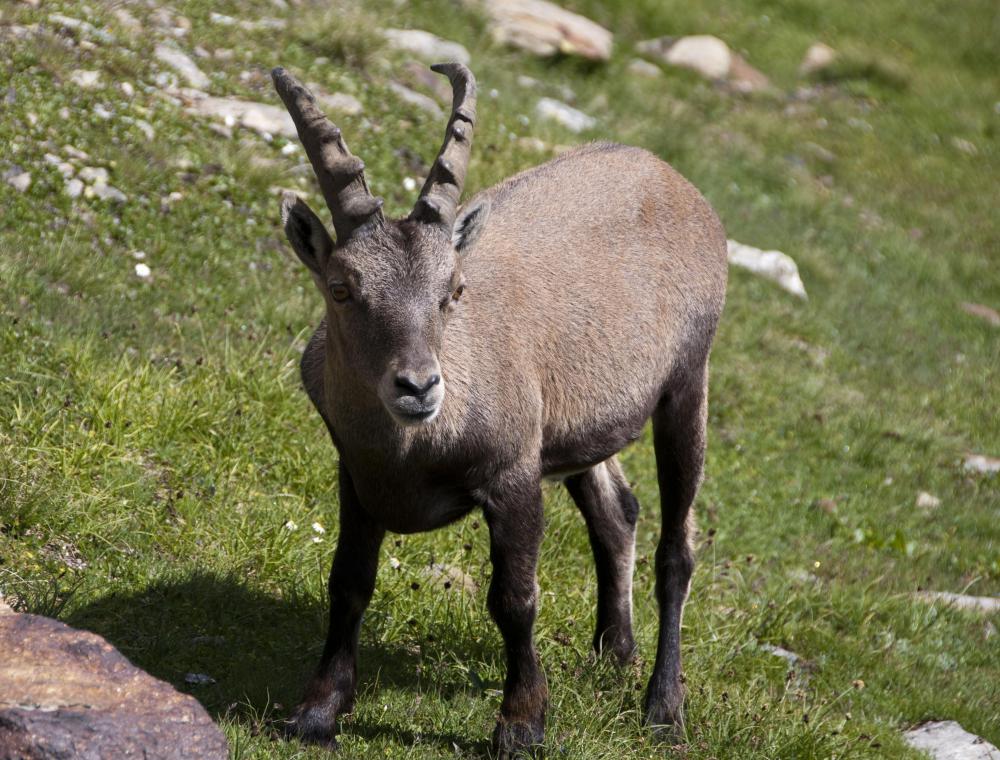
![Ancient vellum was made from calves or goats.]() By: LittleSteven65Ancient vellum was made from calves or goats.
By: LittleSteven65Ancient vellum was made from calves or goats.
Discussion Comments
Why so Americana call this paper vellum while it was called PAUSS paper long before America was discovered?
I am looking for paper to use as interleaves in my wedding album to protect the photographs. Is vellum suitable?
so what is vellum made of? i am asking about the synthetic vellum.
Can I use vellum paper to transfer a pattern on a small plastic waste basket?
Just wondering how you can tell if you have vintage paper or not? please let me know thanks
can I print on vellum paper and if so are there any special printing tips?
Why does modern vellum paper curl away from the hand when held?
Post your comments