
At DelightedCooking, we're committed to delivering accurate, trustworthy information. Our expert-authored content is rigorously fact-checked and sourced from credible authorities. Discover how we uphold the highest standards in providing you with reliable knowledge.
What is Unoaked Wine?
 Michael Pollick
Michael Pollick
Michael Pollick
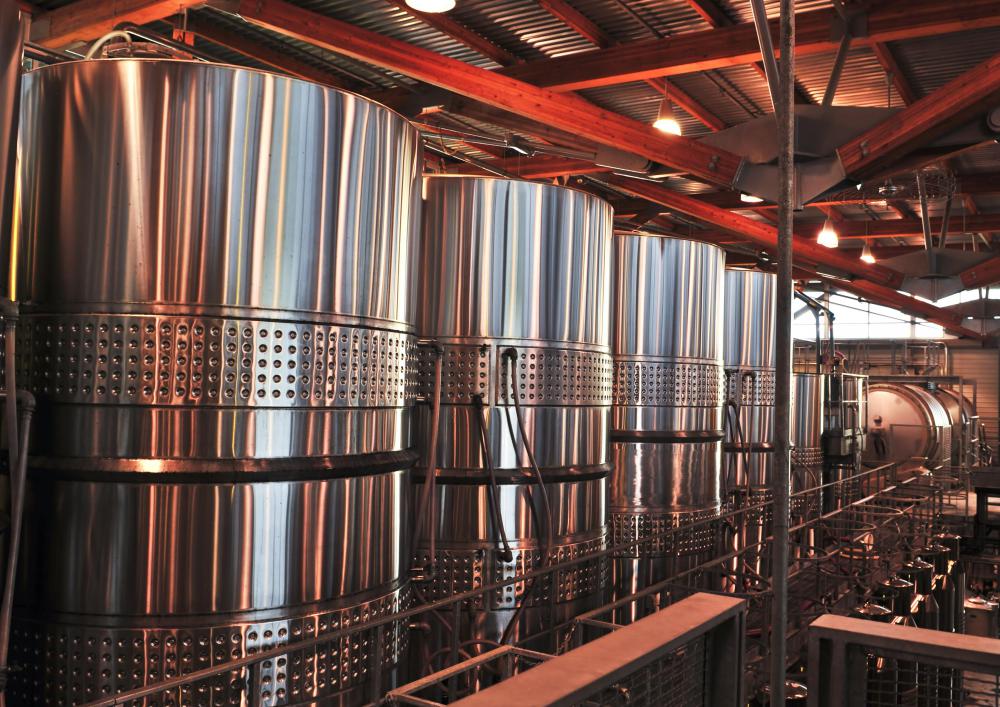
For at least 200 years, winemakers have been storing many of their products in French oak barrels during the fermentation process. In fact, many of the flavors experienced by consumers of the finished wine are created by the oak itself, not the grapes. Because these French oak barrels can impart flavors that overpower the fruity or citrusy elements of the grapes, some winemakers now use stainless steel vessels during fermentation to bring out the true nature of the grapes. The result of this stainless steel fermentation process is called an unwooded or unoaked wine.
There are a number of reasons why some winemakers are now producing wine without the oak flavor. One of the main reasons is consumer demand for a lighter, fruitier white wine without all of the overwhelming flavors created by oak barrels. The grapes used for white wines are especially delicate, with very complex aromatics that are often lost when the wine is stored in oak. Stainless steel containers, on the other hand, do not impart any additional flavor elements. Unoaked wine is said to emphasize the natural flavors of the grapes, along with elements of the soil in which they grew.

The most common variety of unoaked wine marketed today is the white Chardonnay. For some wine enthusiasts, this may come as a bit of a shock, since the Chardonnay grape is not known for its aromatics — much of its traditional flavor is derived from the French oak barrel. An unoaked Chardonnay is said to be more easily matched with foods than the traditional oaked variety, however. Other white wines, such as Riesling and Gewurztraminer, are not often labeled as unoaked, but they are traditionally fermented in stainless steel. The light flavor of these wines makes them very popular as table or dessert wines.

Currently, Australian and New Zealand-based vineyards produce much of the unoaked wine available. Many winemakers use screwcaps instead of cork when bottling them. Unoaked varieties are often released earlier than other wines and generally have a longer shelf life than traditional wines after they are opened.
Michael Pollick
A regular DelightedCooking contributor, Michael enjoys doing research in order to satisfy his wide-ranging curiosity about a variety of arcane topics. Before becoming a professional writer, Michael worked as an English tutor, poet, voice-over artist, and DJ.
Learn more...
Michael Pollick
A regular DelightedCooking contributor, Michael enjoys doing research in order to satisfy his wide-ranging curiosity about a variety of arcane topics. Before becoming a professional writer, Michael worked as an English tutor, poet, voice-over artist, and DJ.
Learn more...AS FEATURED ON:
AS FEATURED ON:


-
![For an unoaked wine, wineries are now using stainless steel barrels for fermentation.]() By: ElenathewiseFor an unoaked wine, wineries are now using stainless steel barrels for fermentation.
By: ElenathewiseFor an unoaked wine, wineries are now using stainless steel barrels for fermentation. -
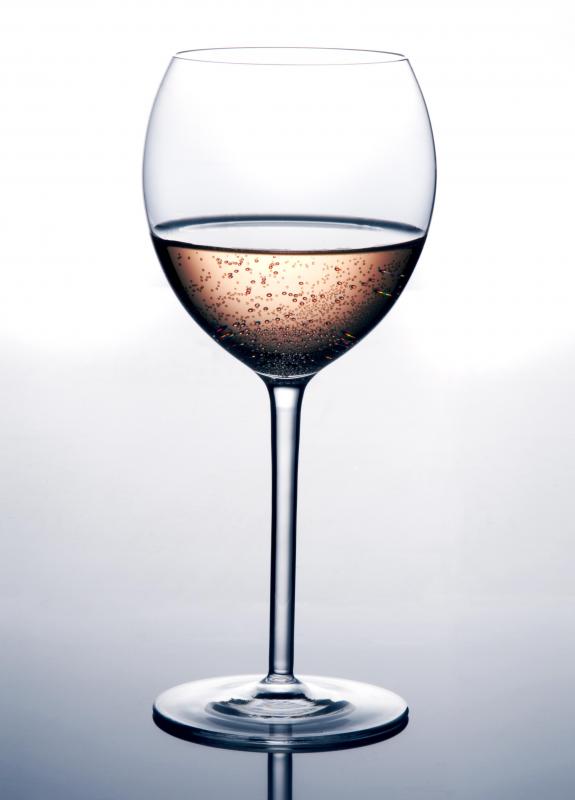
![Unoaked wine can make for a lighter, fruitier white wine.]() By: TrudyUnoaked wine can make for a lighter, fruitier white wine.
By: TrudyUnoaked wine can make for a lighter, fruitier white wine. -
![An unoaked wine has not been stored in an oak barrel.]() By: Brad PictAn unoaked wine has not been stored in an oak barrel.
By: Brad PictAn unoaked wine has not been stored in an oak barrel. -
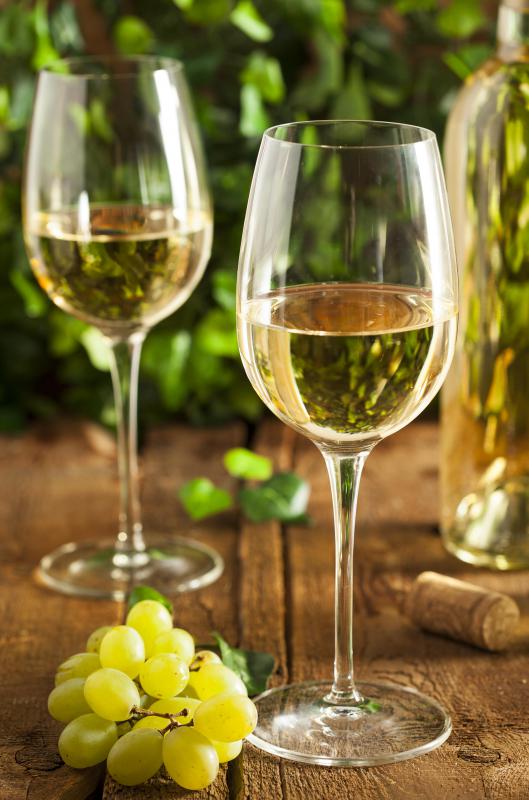
![Chardonnay is the most common type of unoaked wine that's marketed today.]() By: Brent HofackerChardonnay is the most common type of unoaked wine that's marketed today.
By: Brent HofackerChardonnay is the most common type of unoaked wine that's marketed today.

Discussion Comments
I have been drinking nothing but Simply Naked Pinot Grigio and the Savignon Blanc for about a year. I love it and they're so much easier on the stomach. I feel that I don't have the foggy head the next day that I used to get after two or three glasses of oaked wine.
It's just a way to deceive people that some cheap wine kept in steel barrels is something special.
You can really taste the different between an oaked and an unoaked wine. I don't think I would have ever known the difference was in the barrel if I hadn't toured that winery though.
It's really interesting how many things can affect the flavor of the wine. I like wine, but I don't know too much about the wine making process. I always thought the only thing that affected the flavor of the wine was what kind of grapes were used and how long the wine was fermented. It seems there's a lot I don't know about buying wine!
@indemnifyme - Well, we all have our favorite wine varieties. But to say that unoaked wine shouldn't even be called wine is taking it a little far, don't you think? It's still made of fermented grapes, but in a stainless steel barrel instead of an oak barrel.
I personally like both oaked and unoaked wine. I feel like there's a time and a place for both kinds. If I'm going to be drinking wine for dessert, I might like a nice, unoaked Riesling. If I'm drinking wine with a nice juicy steak, I'll probably go for an oaked red wine.
@donasmrs - I'm just the opposite. I've always really liked wine, and I prefer my wine to be oaked. There's just something about the flavor of an oaked wine that tastes great to me. In fact, I barely feel like unoaked wine should even be called wine, it's so fruity and sweet. I prefer a nice dry red any day!
My sister is slightly allergic to wooded wine but she doesn't have any problems with unwooded wine. Why is this?
@anon160309-- No, oaking affects the texture of the wine as well. It will give more depth to the flavor and will make the texture of the wine creamier.
But the flavor is the thing that hits you first with oaked wine versus unoaked wine. When aged in oak, wine takes on a toasty flavor from the wood.
I'm personally not fond of unoaked wine. It doesn't really taste like wine to me, it's too fruity.
I discovered unoaked wine just recently and I love it!
I had never been much of a wine drinker and it turns out that it was because of oaked wine. When I tasted unoaked wine, I couldn't believe how fresh and light the flavor was. I guess that heavier flavor comes from the oak and not the grapes like the article said.
I will only have unoaked wine after this.
Does oak affect just the flavor, not the texture?
thank you commenter no. 2. So true.
To be "unoaked" something would have to have been "oaked" at one time. Shouldn't the term be non-oaked?
does oaking affect the wine's color?
Post your comments