
At TheHealthBoard, we're committed to delivering accurate, trustworthy information. Our expert-authored content is rigorously fact-checked and sourced from credible authorities. Discover how we uphold the highest standards in providing you with reliable knowledge.
What is Tyrosine?
 Karyn Maier
Karyn Maier
Karyn Maier
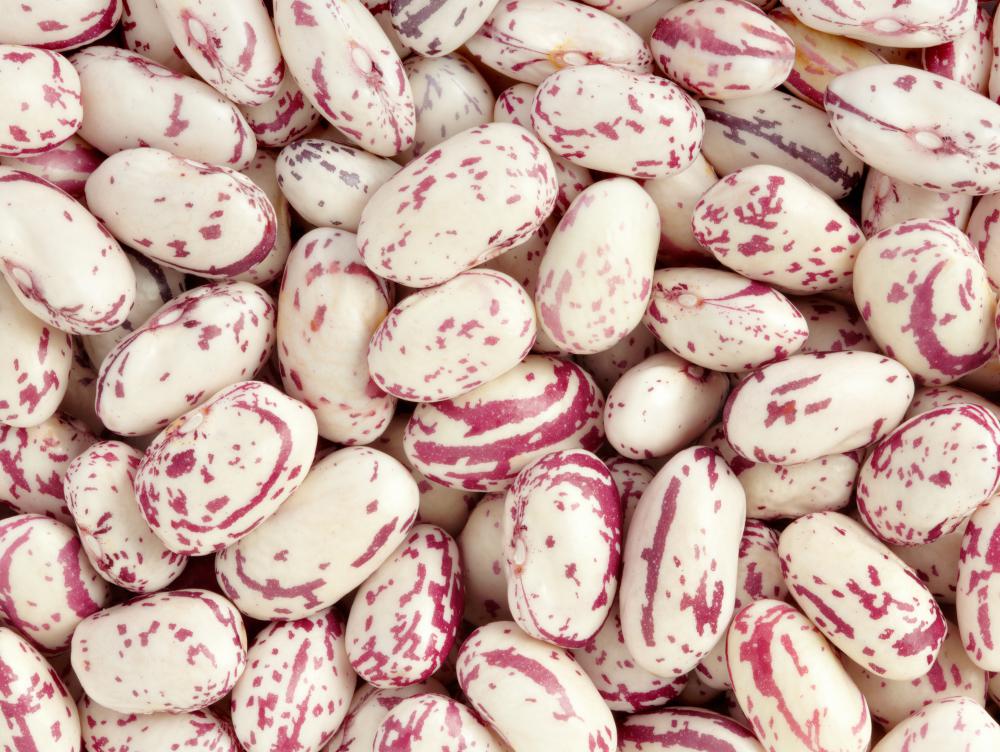
Tyrosine, also known as 4-hydroxyphenylalanine or L-Tyrosine, is a nonessential amino acid that the body synthesizes from another amino acid called phenylalanine. It is named from the Greek tyros, which translates to mean “cheese,” because it is found in casein protein in cheese and other dairy products. Other natural food sources include fish, avacados, bananas, lima beans, almonds, peanuts, and sunflower and pumpkin seeds.
This amino acid plays a significant role in metabolism. For one thing, it interacts with proteins that undergo signal transduction to initiate various cellular processes. Tyrosine receptor kinases serve as pathways to transport phosphate compounds in a process known as phosphorylation that yields phosphotyrosine. These activities involve virtually every protein in the body and are responsible for regulating the manufacture of several enzymes. In addition, tyrosine is a precursor to several other substances, including neurotransmitting brain chemicals, the hormones produced by the thyroid, pituitary and adrenal glands, and the skin pigment melanin.

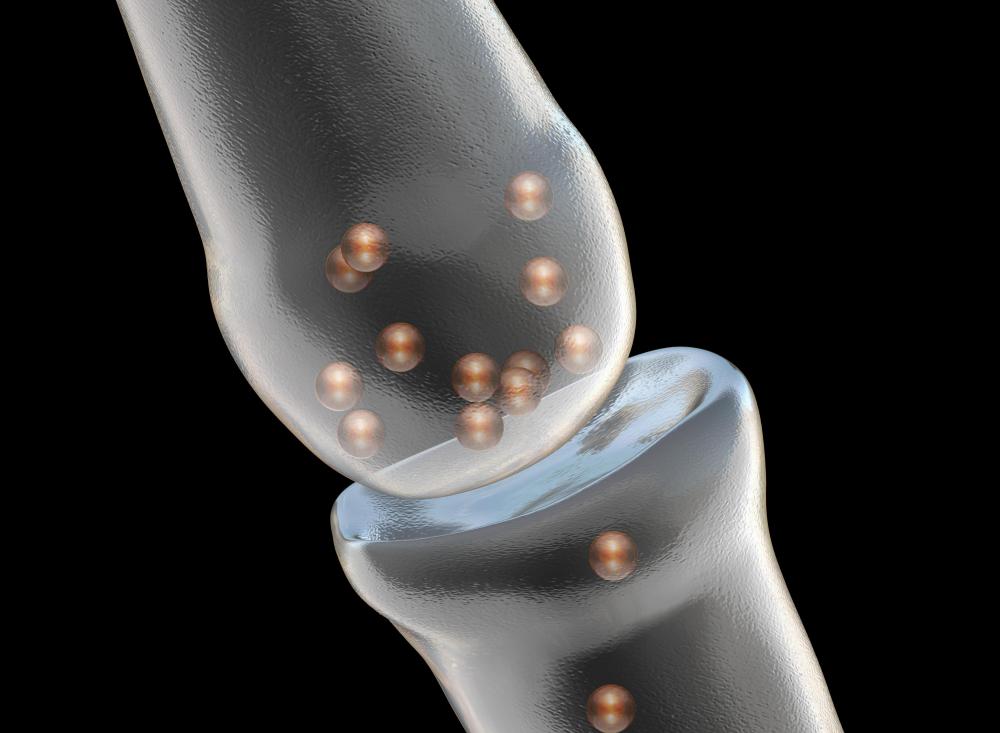
Specifically, tyrosine is necessary for the body to synthesize serotonin, dopamine, epinephrine, and norepinephrine. These neurotransmitters are involved with signaling between nerve cells and synapses in the brain. These agents also affect mood and libido, which is why these substances are sometimes called the “feel good hormones.” In fact, several studies indicate that supplementation of this amino acid may help to relieve chronic stress, anxiety, and mild depression.

A true deficiency of tyrosine is rare, but abnormal utilization does occur in certain syndromes. For instance, oculocutaneous albinism is characterized by an inability to synthesize melanin from from the amino acid. Phenylketonuria is marked by an inability to synthesize phenylalanine into tyrosine, a condition that can lead to brain damage. While this condition may constitute a deficiency, dietary phenylalanine must be strictly avoided and tyrosine supplementation must be supervised. Low levels may also equate to low levels of the thyroid hormone thyroxin, a condition that can promote hypothyroidism and impaired central nervous system functioning.

Since there are few cases where tyrosine supplementation is needed, there are no standard dietary recommendations in place. However, in the absence of uncommon syndromes such as those mentioned above, a low level may be indicated by a low body temperature or low blood pressure. A consultation with a qualified health care practitioner is advised before supplementing with this amino acid.
If tyrosine supplementation is found to be necessary, it is available in tablet or capsule form in units of between 50-1,000 mgs. To facilitate absorption, it is recommended that supplements be taken with a meal that includes carbohydrates, preferably just before retiring to bed. In addition, taking vitamin B6, folic acid — or vitamin B9 as folate — and copper also helps to increase absorption of this amino acid.
Karyn Maier
Contributing articles to TheHealthBoard is just one of Karyn’s many professional endeavors. She is also a magazine writer and columnist, mainly for health-related publications, as well as the author of four books. Karyn lives in New York’s Catskill Mountain region and specializes in topics about green living and botanical medicine.
Learn more...
Karyn Maier
Contributing articles to TheHealthBoard is just one of Karyn’s many professional endeavors. She is also a magazine writer and columnist, mainly for health-related publications, as well as the author of four books. Karyn lives in New York’s Catskill Mountain region and specializes in topics about green living and botanical medicine.
Learn more...AS FEATURED ON:
AS FEATURED ON:


-
![Beans are good sources of tyrosine.]()
Beans are good sources of tyrosine. -
![Pumpkin seeds contain tyrosine.]() By: areifPumpkin seeds contain tyrosine.
By: areifPumpkin seeds contain tyrosine. -
![Neurotransmitters are molecules which carry signals across nerve junctions, or synapses.]() By: ThorstenSchmittNeurotransmitters are molecules which carry signals across nerve junctions, or synapses.
By: ThorstenSchmittNeurotransmitters are molecules which carry signals across nerve junctions, or synapses.

Discuss this Article
Post your comments