
At TheHealthBoard, we're committed to delivering accurate, trustworthy information. Our expert-authored content is rigorously fact-checked and sourced from credible authorities. Discover how we uphold the highest standards in providing you with reliable knowledge.
What is Trench Foot?
Trench foot, also called immersion foot, is a medical condition characterized by a tingling or itching sensation in the foot, accompanied by swelling, pain, and numbness. A person with the condition may also develop blotchy, cold skin and have a heavy or prickly feeling in his or her foot. Typically, the foot also feels dry and painful and becomes red when warm.
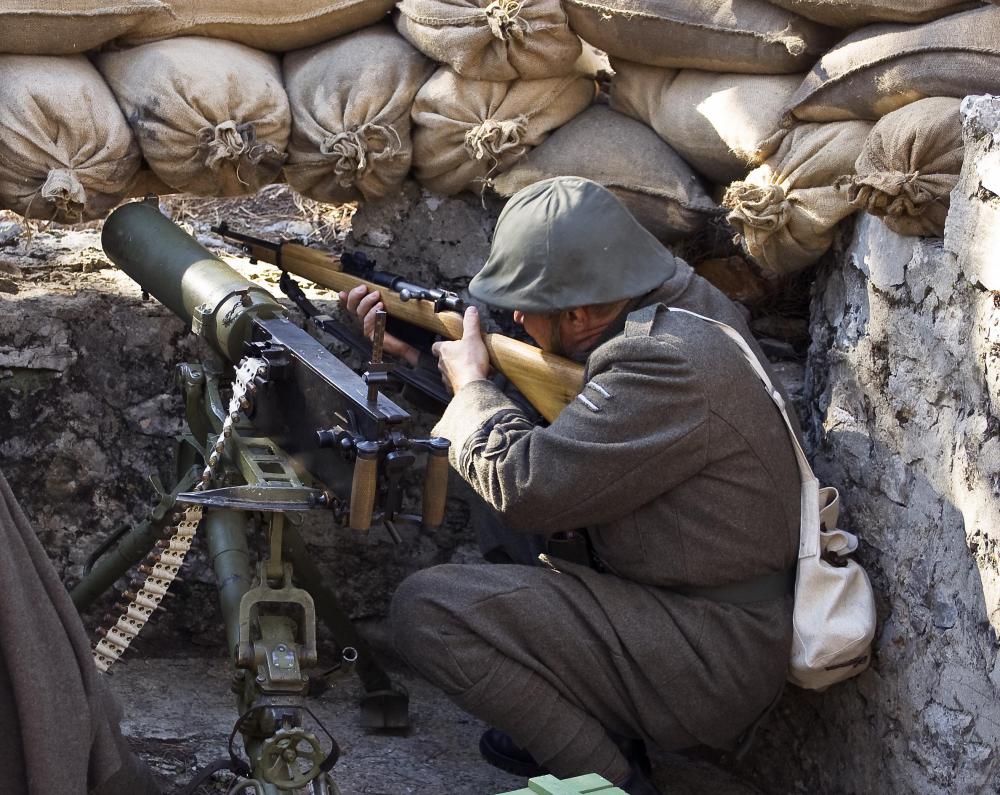
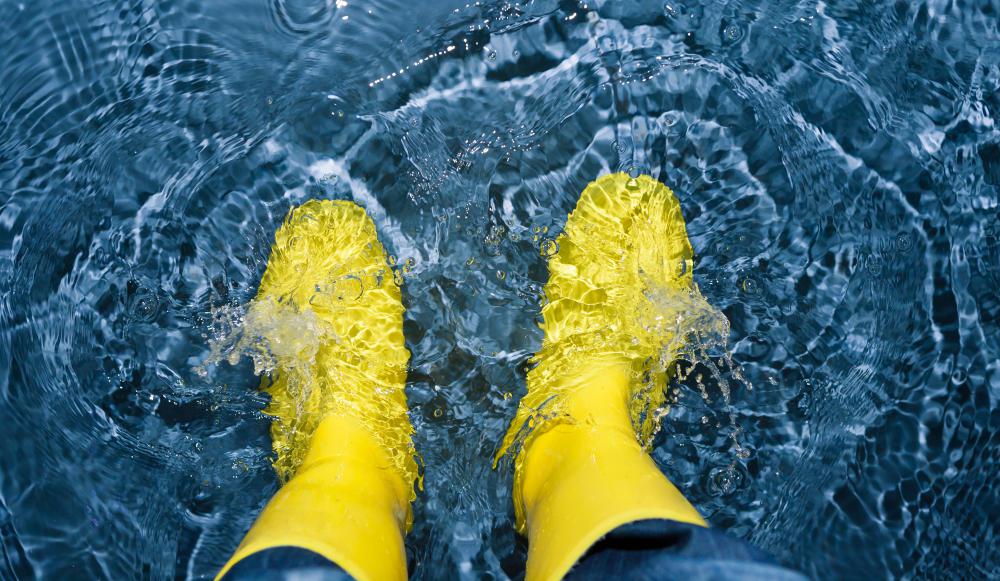
This problem develops after a person’s feet become wet and stay damp for an extended period of time. Cold water also aggravates the problem. For this reason, it was a common illness for soldiers during World War I, as they spent a great deal of time standing in trenches that were cold and wet. In order to prevent the condition, a person should air dry and elevate the feet after they become wet. In addition, individuals should remove wet socks and shoes and replace them with dry ones, rather than walking around for extended periods of time wearing damp footwear.

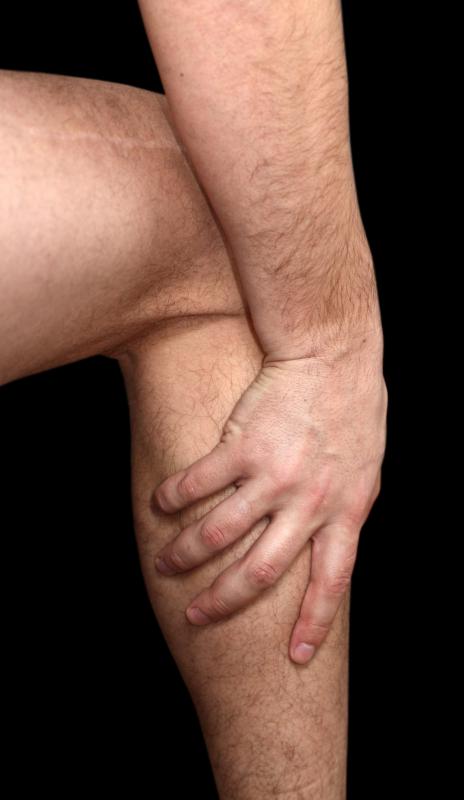
Leg cramps are common in those with trench foot, and the pulse may be slowed or completely stopped in the affected foot. The person may also develop blisters on the foot within two to seven days after the feet get wet. After forming blisters, the skin and other tissues die and begin falling off. When the condition is severe and left untreated, the entire foot can be affected.

If a person develops trench foot, there are steps he or she should take to treat the problem in order to prevent it from spreading and causing long term damage. The first step is to clean the feet thoroughly and allow them to dry. It is also important to change the socks daily, making sure to wear only those that are dry and clean. In addition, socks should not be worn while sleeping or resting.

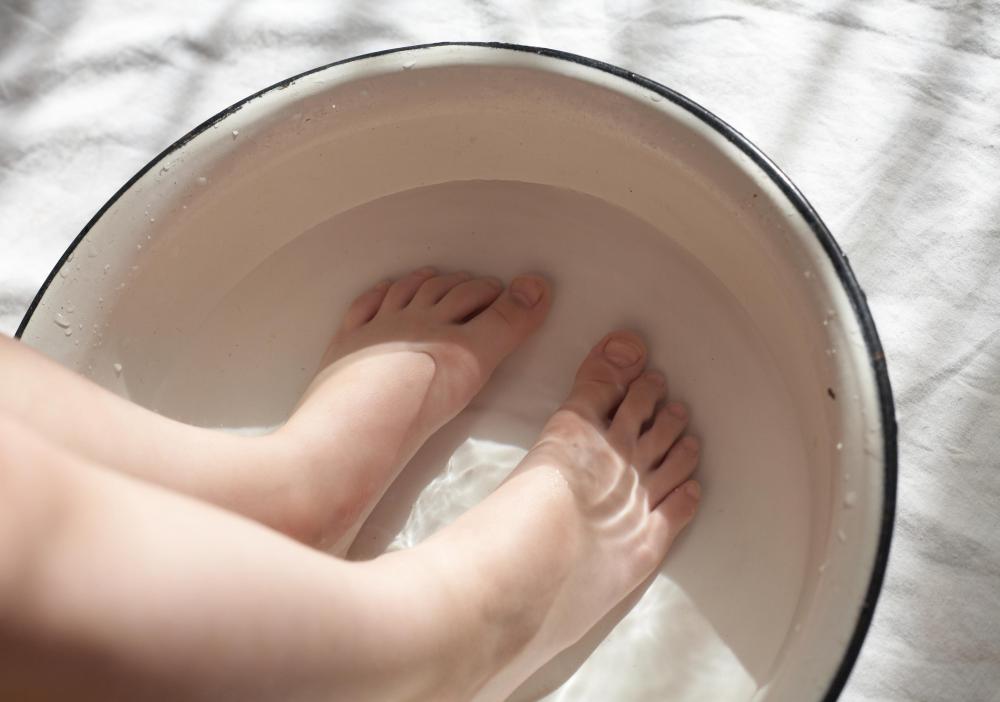
The affected foot or feet should also be treated by soaking them in warm water ranging from 102 to 110°F (about 38.9 to 43.3°C) for five minutes. Alternatively, a warm pack can be applied to the area for the same amount of time. Medical attention should be sought immediately.
It is important to keep in mind that trench foot is a wound to the foot, and as such, it makes the foot more prone to infection. Therefore, the affected foot or feet should be checked at least once every day for additional problems.
AS FEATURED ON:
AS FEATURED ON:


-
![Soaking feet affected with trench foot in very warm water may help symptoms.]() By: Mykola VelychkoSoaking feet affected with trench foot in very warm water may help symptoms.
By: Mykola VelychkoSoaking feet affected with trench foot in very warm water may help symptoms. -
![Trench foot was a common problem among World War I soldiers.]() By: lebanmaxTrench foot was a common problem among World War I soldiers.
By: lebanmaxTrench foot was a common problem among World War I soldiers. -
![Trench foot can develop when feet are damp for extended periods of time.]() By: nikkytokTrench foot can develop when feet are damp for extended periods of time.
By: nikkytokTrench foot can develop when feet are damp for extended periods of time. -
![Leg cramps are common in people with trench foot.]() By: Irena MisevicLeg cramps are common in people with trench foot.
By: Irena MisevicLeg cramps are common in people with trench foot. -
![Symptoms of trench foot may include the development of foot blisters.]() By: roblanSymptoms of trench foot may include the development of foot blisters.
By: roblanSymptoms of trench foot may include the development of foot blisters.

Discussion Comments
I just graduated from basic and I just found out I have trench foot. Because I have this injury, I also have two toes that turned black.
I feel bad for the solders who went through this.
Trench foot can also happen to trench shoring workers if they are not careful. That is why people in this industry should wear boots and the proper gear to prevent water from getting in contact with feet for a long period of time. Training is necessary in construction and trench shoring so that workers will know what to expect and how to take care of themselves.
i have foot ulcers which happened in the military. when i was overseas i was in water and cold a lot and was instructed to change socks to dry a lot. well I'm trying to get the military to pay me benefits for possible trench foot which led to chronic foot ulcers for 30+ years. what i need to know is did the trench foot turn into foot ulcers? i went to the doctor in the army a lot for exeme foot pain, which turned into a sore and wouldn't go away.
If trench foot is left untreated and gets bad it can turn into gangrene -- when body tissue turns black and dies. While gangrene can be treated with antibiotics, treatment can also be as severe as amputation.
Post your comments