
At AllThingsNature, we're committed to delivering accurate, trustworthy information. Our expert-authored content is rigorously fact-checked and sourced from credible authorities. Discover how we uphold the highest standards in providing you with reliable knowledge.
What is Torpor?
 Jeff Petersen
Jeff Petersen
Jeff Petersen
Torpor is a kind of deep sleep accompanied by drastically lowered body temperature, heart rate, and breathing. Like a short-term hibernation, this state is common to a variety of burrowing animals, some birds, and many animals that live in cold climates.
Animals can go into a state of torpor, usually for relatively short periods during the day or night, to conserve energy. In a cold climate, keeping a high body temperature requires a great deal of energy. By going into a deep sleep, animals like ground squirrels, bears, and badgers can conserve energy. The state lowers the animal's natural body temperature and slows breathing and heart rate, so the animal uses less energy.

Small animals, or those with limited food supply, benefit the most from torpor. These creatures, as well as birds, have a limited ability to store body fat. Birds need to stay light to fly, and small animals simply don't have very much room. Because these animals can't store as much energy, it makes sense for them to enter a state of torpor when they are not feeding. This way, they conserve energy for when they can get food.
Animals who have limited windows of opportunity to feed also find torpor valuable. If an animal can only hunt at night, and cannot find food during the day, it has little reason to remain active in daylight hours. By going into a deep sleep during times of inactivity, such animals save even more energy.
Torpor has disadvantages as well as advantages. Animals in this state are very sluggish, and may be almost completely unaware of their surroundings. They cannot just wake up and become active instantly, but they take a while to bring their body temperature, heart rate, and breathing back to normal levels. If an animal is attacked while in torpor, it has very little ability to defend itself or get away. Animals entering this state look for a safe place, either a hidden nest or burrow, so that they will be relatively secure while in their defenseless state.
Hibernation and estivation, sleeping during the summer, can be though of as extended states of torpor. Some people argue that the term should be specifically used to refer to shorter sleep times, but the changes to the animal's body and the goal of conserving energy during times of inactivity are the same.
Frequently Asked Questions
What exactly is torpor in animals?
Torpor is a state of decreased physiological activity in animals, usually characterized by a reduced body temperature, metabolic rate, and energy consumption. It's a survival strategy that allows animals to conserve energy during periods of scarce food resources or extreme weather. Unlike hibernation, which can last for months, torpor tends to be a shorter-term state, often occurring daily in some species.
How does torpor differ from hibernation?
While both torpor and hibernation are energy-saving strategies, they differ in duration and depth of metabolic depression. Torpor is a temporary state that can last for hours or days with animals easily waking up to forage or drink. Hibernation, on the other hand, is a prolonged state lasting weeks to months, with animals remaining in a deep sleep and not easily roused.
Which animals are known to enter a state of torpor?
Many small mammals and birds utilize torpor to conserve energy. Examples include hummingbirds, which enter torpor nightly, and some species of mice, bats, and even larger animals like bears that experience a lighter form of torpor rather than true hibernation. Each species has adapted this state to their ecological needs and environmental pressures.
Can torpor be dangerous for animals?
Torpor reduces an animal's ability to respond to predators and other threats, which can be risky. However, the energy savings are often crucial for survival during tough conditions. Animals have evolved to balance these risks, often seeking safe, concealed locations before entering a state of torpor to minimize danger.
How do animals know when to enter and exit torpor?
Animals rely on environmental cues such as temperature changes, food availability, and daylight length to trigger torpor. Internal signals, like energy reserves, also play a role. Exiting torpor involves metabolic processes that gradually raise body temperature and energy levels, allowing the animal to become fully active again.
Does torpor have any long-term effects on an animal's health?
Research suggests that torpor, when used as a natural adaptation, does not have adverse long-term effects on an animal's health. In fact, it's a crucial survival mechanism. However, frequent and extended use of torpor can impact growth and reproductive cycles, but these are trade-offs that animals have evolved to manage within their specific ecological contexts.
Jeff Petersen
Jeff is a freelance writer, short story author, and novelist who earned his B.A. in English/Creative Writing from Creighton University. Based in Berkeley, California, Jeff loves putting his esoteric knowledge to good use as a AllThingsNature contributor.
Learn more...
Jeff Petersen
Jeff is a freelance writer, short story author, and novelist who earned his B.A. in English/Creative Writing from Creighton University. Based in Berkeley, California, Jeff loves putting his esoteric knowledge to good use as a AllThingsNature contributor.
Learn more...AS FEATURED ON:
AS FEATURED ON:









-
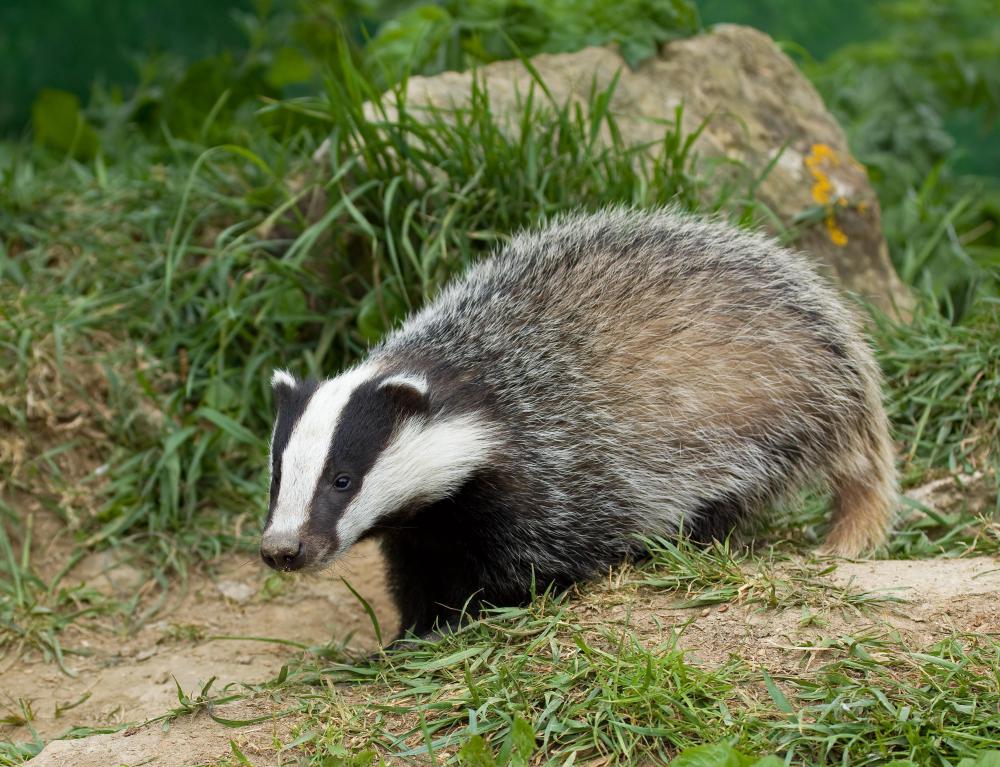
![Badgers conserve energy by going into a state of torpor.]() By: suerobBadgers conserve energy by going into a state of torpor.
By: suerobBadgers conserve energy by going into a state of torpor.
Discuss this Article
Post your comments