
At AllThingsNature, we're committed to delivering accurate, trustworthy information. Our expert-authored content is rigorously fact-checked and sourced from credible authorities. Discover how we uphold the highest standards in providing you with reliable knowledge.
What is Topsoil?
 Mary McMahon
Mary McMahon
Mary McMahon
Topsoil is the extreme upper part of the Earth’s surface, extending downward only 2 – 12 inches (5.08 – 30.48 centimeters). It is inextricably intertwined with ecosystem stability, because it contains the necessary minerals and nutrients that living things — including the plants that directly or indirectly support thousands of species — require. Formed through natural processes, it has multiple uses and varies in terms of composition. People often add different items, such as manure, to make it more fertile and suitable for specific needs. Environmentalists have concerns about how to sustain it and keep it free from contamination.
Uses

Typically, people use topsoil to improve the quality or quantity of soil in a given area. It is most commonly used in outdoor gardens and in lawns that need reseeding. Individuals also use it in landscaping to get a specific ground level height, which is sometimes necessary to comply with specific building regulations. Many companies sell it commercially for these purposes.
Formation

This material forms when rocks are chemically or physically weathered into extremely small parts. As this happens, organic matter, such as leaves, gradually gets mixed into it, bringing nutrients such as nitrogen and that are vital to plants and microorganisms. It takes a very long time to complete this breakdown process, with one inch of topsoil taking up to 100 years to form. The slow nature of how it is made makes it important to control how much gets naturally or intentionally removed.
Composition

The way topsoil forms means that there is a wide range of combinations in terms of the percentages of sand, silt, clay, and humus it holds, with a specific makeup referred to as texture. This is not necessarily bad, because different organisms and plants often have acidity or alkaline preferences and have varying nutrient and water needs. In general, however, experts usually say that the “best” kind is the “loamy” type, which in layman’s terms means that it has a good balance of all components. True loams technically are mostly sand and silt at up to 52% and 50%, respectively, having 7 – 27% clay. They usually fall between 5.5 and 7.5 on the pH scale.

Good composition is extremely important, because it determines whether the soil will compact or spread too much. If it packs down, drainage is typically poor, and plants have a difficult time absorbing the nutrients they need to develop and stay healthy. Supporting microorganisms and other living things like worms becomes hard, because they cannot move as easily. Conversely, when it spreads, nutrients are often carried away. Most experts recommend looking for a texture that is lightweight and that breaks relatively easily after being compressed. They also advise individuals to look for darker colors, as this is often a sign that there is more organic material — and, therefore, more nutrients — in the mixture.
Improvement
Although some topsoil is very fertile, it is not unusual to have to improve it a bit to get an ideal environment for growing. Many people find that they need to add some lime and fertilizer, for example. People also routinely adjust it by adding compost or manure, or by mixing in more sand, silt or clay, depending on the intended use.
Concerns
Erosion is one of the biggest worries environmentalists have regarding topsoil. Loss can happen simply because it is naturally of poor quality, or because of the way geographic structures, such as sloping hillsides, make it easier for wind and water to carry it away. It also connects strongly to the idea of “exhausted soil,” however, which refers to soil that has been stripped of vital nutrients, usually from over-farming the same crops from year to year. Fewer nutrients translates to fewer plants, which means that there isn’t anything to keep the dirt from moving around.
Modern sustainable farming practices place a heavy emphasis on crop rotation to prevent soil exhaustion. Most contemporary farmers rotate their crops, allow fields to lie fallow and plant nitrogen fixing plants like beans to promote soil health. Many also plow plant material into the ground to enrich the humus, and they spread compost and manure to make it more nutritious and rich. In some areas of the world, however, farmers are working with only a few inches of topsoil and are relying on a growing collection of fertilizers to sustain crops. Desertification, which experts already are observing in Africa and Australia, can occur when no attempts are made to rejuvenate the land, and even when people take action, it can take years to repair the exhausted soil with organic practices.
In addition to being damaged by exhaustive farming practices, topsoil can also be lost through heavy water runoff. When this happens over clearcut land, matters get more complicated, because there are no trees and plants to hold the precious soil down. As a result, major storms in heavily logged areas drag tons of dirt into the watershed, where it clogs rivers and makes them uninhabitable for fish. When the rivers reach the ocean, the sudden excess of nutrients causes fish die offs which sometimes stretch for miles out to sea beyond the mouth of the river.
Another major concern with topsoil is contamination, which frequently comes from the waste created during industrial productions. Adding the wrong kind of fertilizer is also an issue, because it can make the soil unsuitable for certain types of plants and organisms. In some cases, this not only eventually results in erosion, but also poses a serious threat to health. Furthermore, seeds are not always thought of as contaminants, but they can be problematic if the plants that grow aren’t desired or are particularly invasive.
Frequently Asked Questions
What is topsoil and why is it important?
Topsoil is the uppermost layer of soil, typically the top 5-10 inches, rich in organic matter and microorganisms. It's crucial for plant growth as it holds nutrients and water, providing a fertile environment for seeds to germinate and roots to spread. According to the USDA, topsoil quality can significantly affect agricultural productivity and ecosystem health.
How does topsoil differ from other soil layers?
Topsoil is distinct from lower layers in its higher concentration of organic matter, microorganisms, and nutrients essential for plant life. While subsoil may be denser and contain more minerals, it lacks the organic composition that makes topsoil so valuable for plants. The USDA's soil classification system helps delineate these layers by their physical and chemical properties.
Can topsoil be depleted, and what are the consequences?
Yes, topsoil can be depleted through erosion, over-farming, and deforestation. Consequences include reduced soil fertility, lower crop yields, and increased vulnerability to flooding and drought. The FAO reports that 33% of Earth's soils are moderately to highly degraded, underscoring the need for sustainable soil management practices to prevent further depletion.
What are some ways to conserve and replenish topsoil?
Conserving and replenishing topsoil involves practices like crop rotation, cover cropping, reduced tillage, and organic amendments. These methods help maintain soil structure, prevent erosion, and boost nutrient content. The NRCS promotes these conservation techniques to enhance soil health and ensure long-term agricultural productivity.
How does topsoil formation occur naturally?
Topsoil formation is a slow process involving the weathering of rock and the accumulation of decomposed plant and animal matter over centuries. Microbial activity plays a key role in breaking down organic material, enriching the soil with nutrients. According to the National Geographic, it can take up to 1,000 years to form just an inch of topsoil naturally.
Is it possible to use topsoil for gardening, and how should it be applied?
Topsoil is excellent for gardening and can be applied to create raised beds, improve existing soil, or fill in low areas. When using topsoil, it's important to ensure it's free of contaminants and to mix it with existing soil to avoid creating a sharp boundary that can impede root growth. The University of Illinois Extension recommends a blend of topsoil, compost, and other organic materials for optimal plant health.
Mary McMahon
Ever since she began contributing to the site several years ago, Mary has embraced the exciting challenge of being a AllThingsNature researcher and writer. Mary has a liberal arts degree from Goddard College and spends her free time reading, cooking, and exploring the great outdoors.
Learn more...
Mary McMahon
Ever since she began contributing to the site several years ago, Mary has embraced the exciting challenge of being a AllThingsNature researcher and writer. Mary has a liberal arts degree from Goddard College and spends her free time reading, cooking, and exploring the great outdoors.
Learn more...AS FEATURED ON:
AS FEATURED ON:









-
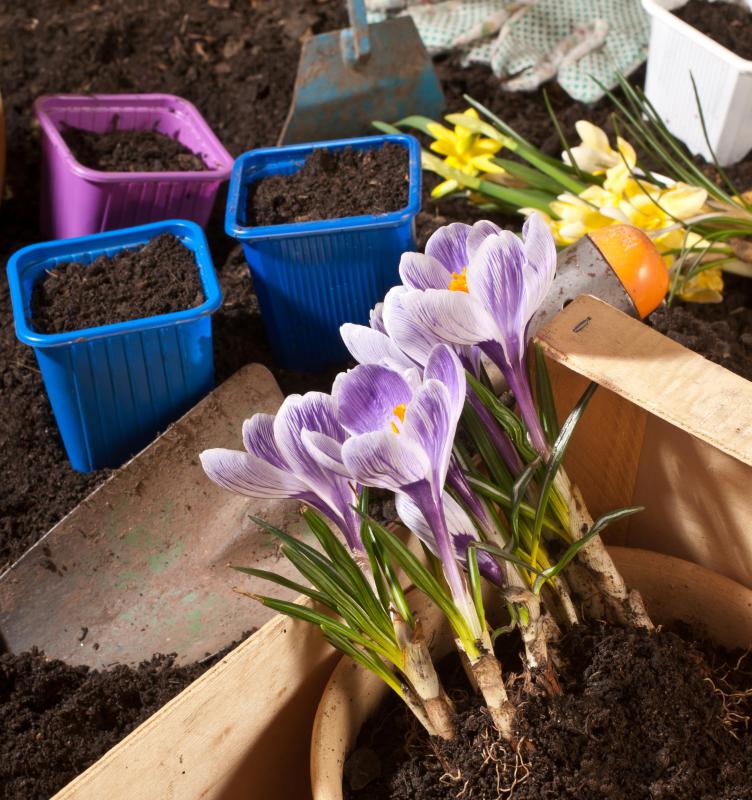
![Darker topsoils are rich in organic nutrients.]() By: Václav MachDarker topsoils are rich in organic nutrients.
By: Václav MachDarker topsoils are rich in organic nutrients. -
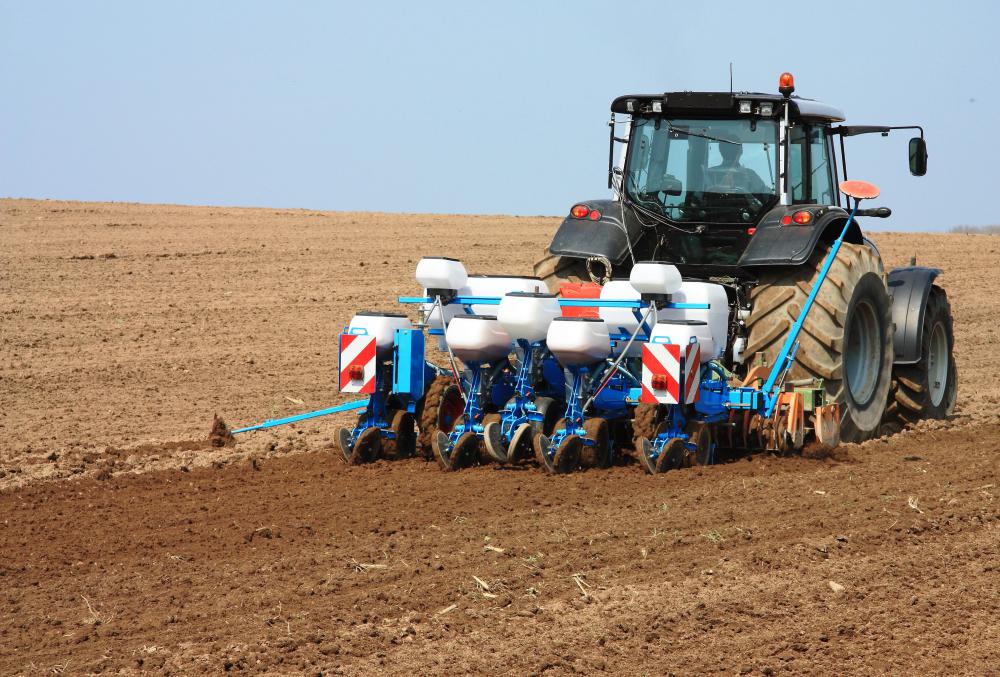
![Clearcut farms are at a greater risk of topsoil loss due to erosion from wind and rain.]() By: gozzoliClearcut farms are at a greater risk of topsoil loss due to erosion from wind and rain.
By: gozzoliClearcut farms are at a greater risk of topsoil loss due to erosion from wind and rain. -
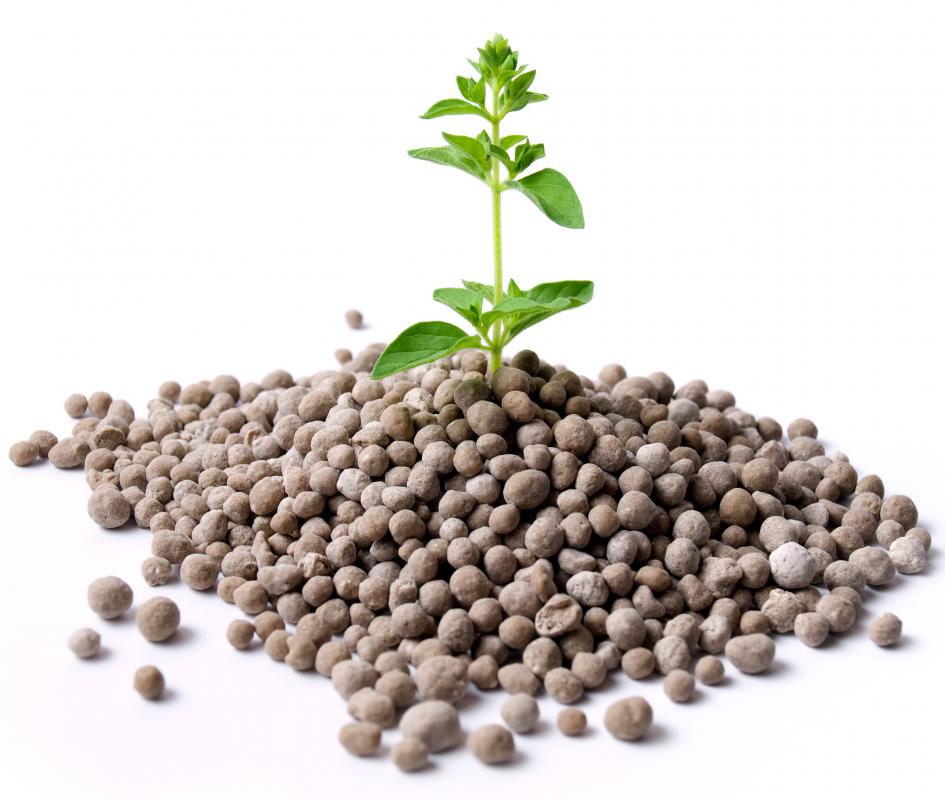
![Fertilizers are used to adjust the pH and nutrient content of topsoil.]() By: Sinisa BotasFertilizers are used to adjust the pH and nutrient content of topsoil.
By: Sinisa BotasFertilizers are used to adjust the pH and nutrient content of topsoil. -
![Modern sustainable farming practices places a heavy emphasis on crop rotation to prevent soil exhaustion.]() By: Johan LarsonModern sustainable farming practices places a heavy emphasis on crop rotation to prevent soil exhaustion.
By: Johan LarsonModern sustainable farming practices places a heavy emphasis on crop rotation to prevent soil exhaustion.

Discussion Comments
@StarJo – Yes, that is garden topsoil. I suppose it is called this because you put it on top of the soil that is already in your garden.
Some people use it in pots for indoor plants, but I use it in my flower garden. It enhances the soil, which is sort of poor where I live.
I loosen the natural topsoil with a hoe before pouring the garden topsoil into it. Then, I stir it all up with a rake.
I plant my seedlings in it and water them well. I put mulch around the area and on top of the topsoil to keep it from washing away in the heavy spring rains that we get here.
I thought that topsoil was just something you could buy to use when potting plants. I have seen bags of topsoil for sale in the garden center, and it is really cheap.
Good landscaping can keep topsoil from washing away in the rain. I know several people who live on hills and who are in desperate need of plants in their yards, because large areas of topsoil wash off and run down their property to the ditches below every time we get a good rain.
People who plant thick grass, trees, and flowers on their property don't have this problem. I think that the grass is the most essential to retaining the topsoil, since it covers every inch of the ground with its tight roots.
I've heard that cattle do good things for topsoil. They encourage plants to grow by trimming them down with their teeth, and their poop fertilizes the ground.
I know a farmer who rotates his cattle among different pastures. He says that this way, he can get good topsoil on all his land instead of on just one pasture.
very helpful!
I want to know that what are the disadvantages of forming bricks from top soil.
i heard that 1/64 of the top of the earth is topsoil and that is still getting smaller. save it to save yourself and your planet!
This was great information to get. I used some of this information for my class. Greenhouse Bio.
It was great. thanks a bunch for the info!! :-)
i want to know what topsoil in water is about. other than that all the info was geat! Great work.
Wow, this site is very informative. The only thing I might suggest is to lay off the ads. Other than that it's really good. This site has potential!
this place is amazing. i really hope you can find out more and put it up so i can see what other knowledge you have. keep up the good work.
Unfortunately we take soil for granted, however, unless we take care of it and preserve it the consequences might be very serious, as we have already seen in some parts of the world. Topsoil is lost due to some agricultural practices, but also to urbanization.
I am sure there is no one simple solution for soil preservation, but we need to work on it. As Franklin Delano Roosevelt said: "The nation that destroys its soil destroys itself".
Post your comments