
At TheHealthBoard, we're committed to delivering accurate, trustworthy information. Our expert-authored content is rigorously fact-checked and sourced from credible authorities. Discover how we uphold the highest standards in providing you with reliable knowledge.
What Is Tooth Decalcification?
Tooth decalcification is a process by which the teeth lose calcium. It's generally considered an early stage of tooth decay, and typically causes white spots to appear on the teeth. Decalcification can usually be reversed if proper oral hygiene measures are followed, but it can lead to irreversible dental caries. This condition typically occurs due to a build-up of plaque on the surface of the teeth, often due to poor dental hygiene, although wearing braces can also lead to it, since it is often nearly impossible to adequately clean the surface of the teeth beneath the brackets.
Proper dental hygiene generally consists of regular brushing and flossing, at least twice a day, combined with annual or semi-annual dental check-ups. Tooth decalcification, and eventual decay, most often occurs as a result of poor dental care. When teeth aren't properly cared for, plaque, a sticky, opaque substance comprised mostly of bacteria, is allowed to build up on the teeth. The bacteria in plaque normally produce acids that can damage tooth enamel, leaching its calcium away.

Dentists generally believe that the first sign of decalcification is the appearance of a white spot on the tooth. As the surface of the tooth loses the mineral, it becomes more opaque, so that bright white spots can appear. These spots are considered highly likely to become areas of tooth decay if left untreated. Many dentists recommend a professional dental cleaning as a first step towards treating the problem. Following the dental cleaning, most dentists will recommend a program of enhanced dental care that may require a series of office visits as well as home care.

Fluoride treatments are often used to combat tooth decalcification. Some dentists may wish to cover the teeth with bonding resin or porcelain crowns if the damage is severe. Brushing and flossing are typically considered vital parts of the home care for teeth in this condition. Mouthwashes, home fluoride rinses, and other home care solutions may be recommended.

People who are suffering from decalcification may need regular and frequent dental checkups until the problem is resolved. If decalcified areas develop into dental cavities, treatment may involve filling the decayed tooth, fitting it with a crown, or extracting it altogether.
AS FEATURED ON:
AS FEATURED ON:


-
![Fluoride is used to treat tooth decalcification.]() By: LusoimagesFluoride is used to treat tooth decalcification.
By: LusoimagesFluoride is used to treat tooth decalcification. -
![A cross section of a tooth.]() By: Andrea DantiA cross section of a tooth.
By: Andrea DantiA cross section of a tooth. -
![Braces can lead to tooth decalcification, because they are difficult to clean around.]() By: nobeastsofierceBraces can lead to tooth decalcification, because they are difficult to clean around.
By: nobeastsofierceBraces can lead to tooth decalcification, because they are difficult to clean around. -
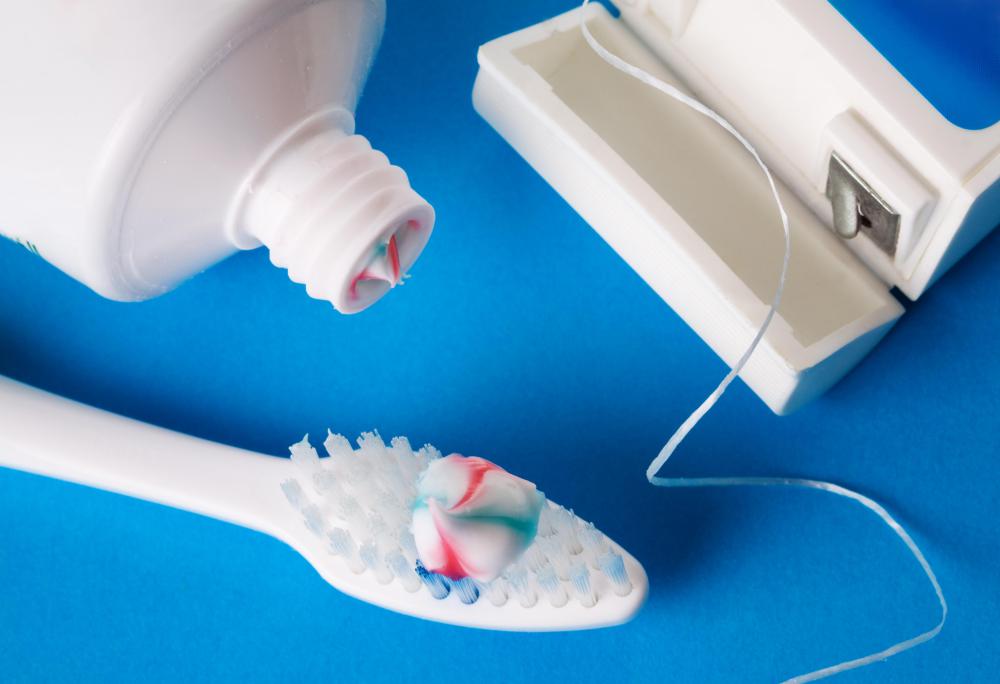
![Proper dental hygiene can help to prevent tooth decalcification.]() By: legaaProper dental hygiene can help to prevent tooth decalcification.
By: legaaProper dental hygiene can help to prevent tooth decalcification. -
![Tooth decalcification can occur when someone drinks a lot of soda.]() By: tiveryluckyTooth decalcification can occur when someone drinks a lot of soda.
By: tiveryluckyTooth decalcification can occur when someone drinks a lot of soda. -
![Semi-annual dental check-ups can help prevent tooth decalcification.]() By: djileSemi-annual dental check-ups can help prevent tooth decalcification.
By: djileSemi-annual dental check-ups can help prevent tooth decalcification. -
![Decalcification can usually be reversed if good oral hygiene measures are taken.]() By: yanmingzhangDecalcification can usually be reversed if good oral hygiene measures are taken.
By: yanmingzhangDecalcification can usually be reversed if good oral hygiene measures are taken. -
![If decalcified areas develop into dental cavities, extracting teeth may be appropriate.]() By: starushIf decalcified areas develop into dental cavities, extracting teeth may be appropriate.
By: starushIf decalcified areas develop into dental cavities, extracting teeth may be appropriate.





Discussion Comments
The tooth turns white during the beginning of decalcification. If left untreated, the white turns brown as the tooth begins to decay after enamel wears away.
I have very dark brown spots on my teeth, near the gumline. My dentist says this is decalcification, and requires fillings.
Here people say the spots indicating decalcification are white. What's going on here?
Post your comments