
At DelightedCooking, we're committed to delivering accurate, trustworthy information. Our expert-authored content is rigorously fact-checked and sourced from credible authorities. Discover how we uphold the highest standards in providing you with reliable knowledge.
What is Tilapia?
 Diane Goettel
Diane Goettel
Diane Goettel
“Tilapia” is an umbrella term for many kinds of fish in the Cichlidae family. It's a term used for three species of fish: Oreochromis, Sarotherodon, and Tilapia fish. One unusual characteristic of most cichlid fish is that they are mouth brooders. This means that, while rearing their young, they often carry their hatched babies about in their mouths, especially while traveling from one destination to another and when they perceive danger. Once the fish grow large enough to care for themselves (and too large to fit between their parents' jaws), they are on their own.
These species of fish generally reside in shallow, freshwater ponds, lakes, and streams. The fish consume mostly aquatic plants, algae, and some insect larva. Because of their specific appetites, tilapia have become quite important in the world of aquaculture. Whether accidentally or deliberately introduced into a new aquatic environment, they often create imbalance in the ecosystem.

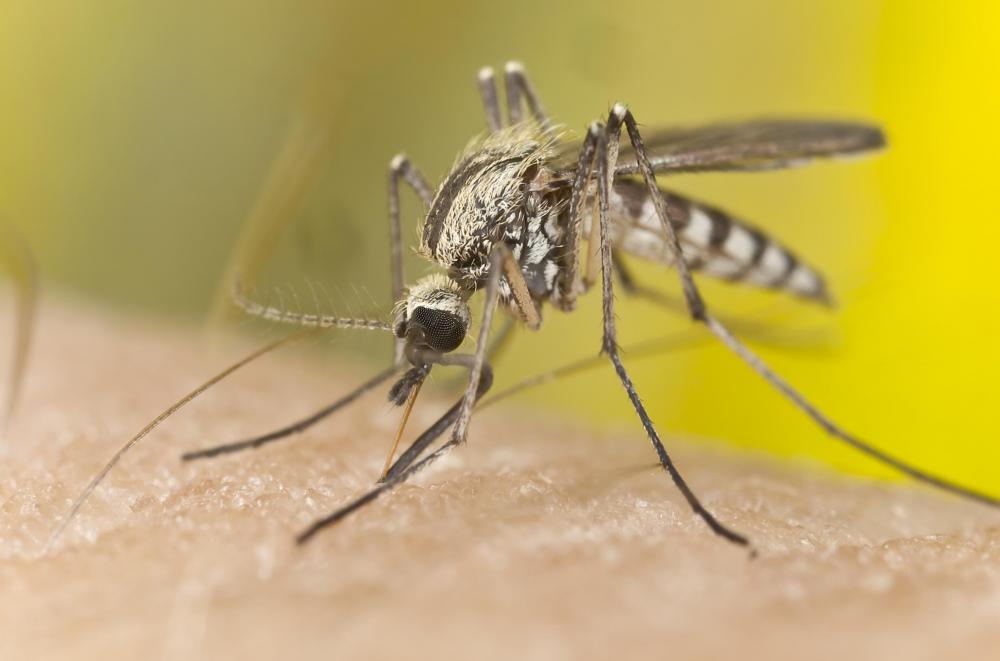
In one particular case, however, these generally invasive fish have been an incredible blessing. Tilapia were introduced to the waters of Kenya in order to curb the spread of malaria. Adult female mosquitoes carry the disease and the fish consume mosquito larva. The fish, simply with their appetite, helped reduce the number of mosquitoes, and therefore, the spread of malaria in Kenya.

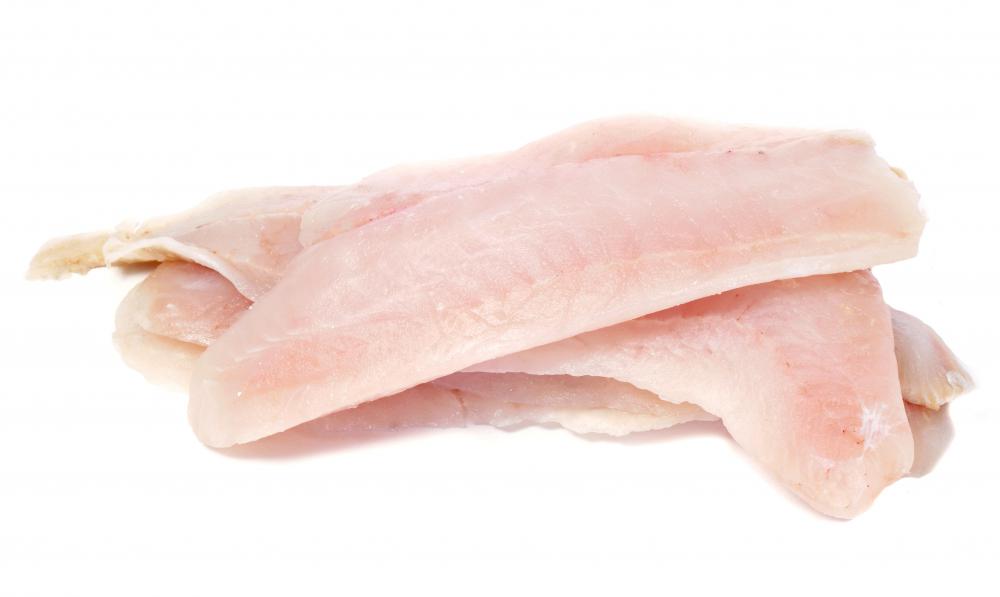
Tilapia are also a delicious fish to eat. This flavorful white fish can be baked, fried, and even added to stews in order to create dishes. A rather common fish, tilapia can be found in the seafood section of most grocery stores. If a local market does not carry it fresh, shoppers may want to look into purchasing the fish in a flash-frozen form that generally does well to capture the flavor of the fish.

For a lovely seafood treat, foil-wrapped fillets of tilapia can be baked in a small amount of butter with chopped green onions, black pepper, lemon, and sea salt. For a kick, the black pepper can be substituted with flakes of red pepper. This dish goes well with a simple green salad, baked potato, and a glass of Sauvignon Blanc. In fact, most chefs agree that Sauvignon Blanc is the best wine to pair with tilapia dishes of any sort.
Diane Goettel
In addition to her work as a freelance writer for DelightedCooking, Diane is the executive editor of Black Lawrence Press, an independent publishing company based in upstate New York. She has also edited several anthologies, the e-newsletter Sapling, and The Adirondack Review. Diane has a B.A. from Sarah Lawrence College and an M.A. from Brooklyn College.
Learn more...
Diane Goettel
In addition to her work as a freelance writer for DelightedCooking, Diane is the executive editor of Black Lawrence Press, an independent publishing company based in upstate New York. She has also edited several anthologies, the e-newsletter Sapling, and The Adirondack Review. Diane has a B.A. from Sarah Lawrence College and an M.A. from Brooklyn College.
Learn more...AS FEATURED ON:
AS FEATURED ON:


-
![Fresh tilapia fillets.]() By: nitoFresh tilapia fillets.
By: nitoFresh tilapia fillets. -
![Black pepper can give tilapia an extra kick.]() By: kellyschulzBlack pepper can give tilapia an extra kick.
By: kellyschulzBlack pepper can give tilapia an extra kick. -
![Tilapia feed on the larva of mosquitoes.]() By: Henrik LarssonTilapia feed on the larva of mosquitoes.
By: Henrik LarssonTilapia feed on the larva of mosquitoes. -
![Sauvignon blanc is the best wine to pair with tilapia.]() By: Monkey BusinessSauvignon blanc is the best wine to pair with tilapia.
By: Monkey BusinessSauvignon blanc is the best wine to pair with tilapia. -
![Tilapia in a flash-frozen form generally does well to capture the flavor of the fish.]() By: adisaTilapia in a flash-frozen form generally does well to capture the flavor of the fish.
By: adisaTilapia in a flash-frozen form generally does well to capture the flavor of the fish.



Discussion Comments
Is talipia fish the kind of fish Jesus caught in the Sea of Galilee?
A study conducted at Wake Forest University reports that farmed raised tilapia might have high levels of omega 6 fatty acids, and low levels of omega 3 fatty acids. That combination is unhealthful, in particular to people who already have asthma, hearth disease or are genetically predisposed to heart problems.
In the study, there is no mention of wild tilapia, only farm raised. The reason they left out wild tilapia in the study might be the difference in diet. The diet of farm raised tilapia consists of inexpensive corn based food that seems to contribute to this shift in omega fatty acids.
Fish is generally an excellent source of omega 3, a highly recommended acid that fights inflammation. However, not all fish seems to be equally healthy. The best source is wild caught fish, but even some farm raised fish like salmon and trout have a much higher level of omega 3.
Post your comments