
At HomeQuestionsAnswered, we're committed to delivering accurate, trustworthy information. Our expert-authored content is rigorously fact-checked and sourced from credible authorities. Discover how we uphold the highest standards in providing you with reliable knowledge.
What is Ticking?
Feather pillows aren’t as common as they used to be, and the fabric holding all those feathers isn’t as common, either. Ticking is the general term for a heavy cotton or cotton and linen blend fabric used to cover pillows or upholstery.
In the days when people slept on straw ticks for mattresses, and used feather pillows, they needed a fabric that was sturdy and closely-woven enough to keep the feather shafts (or straw fragments) from working their way out and poking the skin. Ticking fabric was the answer. It is a heavy, sturdy fabric with a close, even weave. Feathers usually have a difficult time breaching this material.

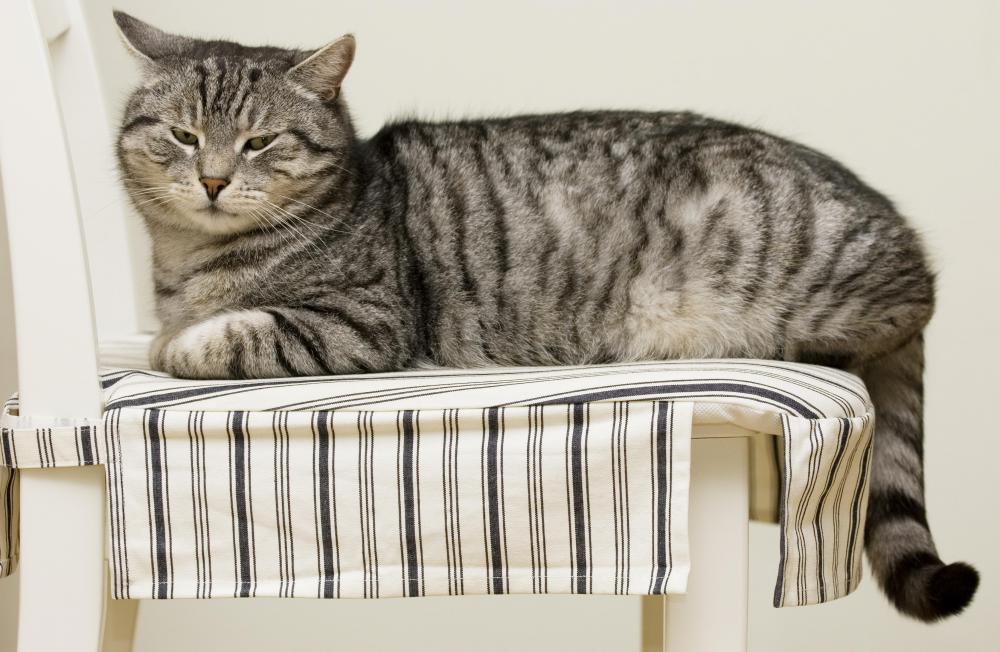
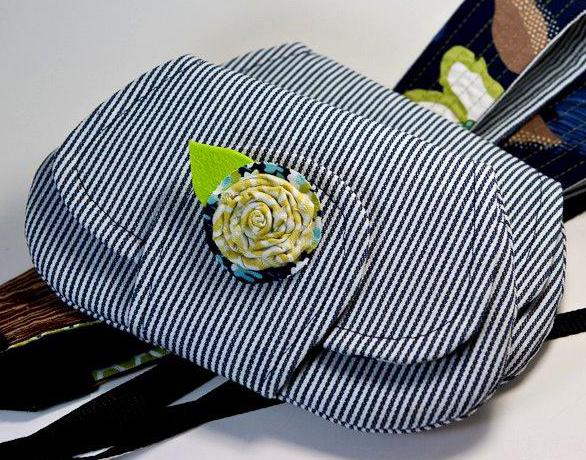
Pillow ticking can be distinguished from other heavy fabrics by its print. Most has narrow, vertical stripes — darker colors on a white or beige background. This pattern has been used for many years and most people recognize it at once. When buying this cloth, a person should hold the free end up to the light. No light should show through the weave, or it isn’t close enough. The fabric also should not drape easily over the hand — it should feel a little stiff and heavy. Some of the stiffness will wash out and will soften through use, but the stiffness is a sign of good quality.

Upholstery ticking is an even heavier material, and it has to be similar in weight to good denim in order to stand up to being used on furniture. People like the pattern on furniture because it is a clean, neat design, and easily matched with solid color accessories, such as throw pillows or rugs. This fabric gives a room a homey, casual feel that many people find attractive and reassuring.

Good pillow ticking is fairly expensive. It can be purchased from most stores that sell fabric and is usually 54 inches (137 centimeters) wide. Upholstery ticking may be 72 inches (182 centimeters) wide, so as to more easily cover a sofa or chair. Fabric for upholstery will often be quite expensive, but its durability offsets the price.
AS FEATURED ON:
AS FEATURED ON:


-
![A cat lying on a ticking chair cover.]() By: Bartlomiej NowakA cat lying on a ticking chair cover.
By: Bartlomiej NowakA cat lying on a ticking chair cover. -
![A purse made of ticking.]() By: GabrielleA purse made of ticking.
By: GabrielleA purse made of ticking. -
![Cotton bolls on a branch.]()
Cotton bolls on a branch.

Discussion Comments
Why are stripes used in ticking? Is it strictly decorative?
My aunt has a tablecloth made of ticking material. It is beige with brown stripes, and it definitely has an old-timey feel to it.
She used some of the extra material to make dish towels. It seems that a lot of newer dish towels that are made of softer material do mimic the pattern of ticking, though. I grew up using striped dish towels that looked a lot like my aunt's tablecloth!
As a tablecloth material, it is ideal. It's heavy enough that it won't blow around when you have the ceiling fan running, and it is thick enough to absorb spills and prevent you from scratching the surface of the table.
@lighth0se33 – You can use ticking for curtains. It is thick enough to keep the cool air from coming in around your windows in the winter, and it will also keep the sunlight out.
I have also seen people use ticking for bedskirts. They sew it onto the bottom of a comforter or bedspread as a ruffle. My sister has a red bedspread with red and white ticking sewn along the bottom, and it is very old-fashioned looking.
I was going through my grandmother's old sewing drawers the other day, and I found several yards of blue ticking. I have no idea what to do with it, but I want to use it for something.
Other than covering mattresses and pillows, what can I do with it? I don't really want to upholster any of my furniture with it, since it isn't very soft. However, I do think it would be neat to have on display in my house somehow.
It's good that cotton ticking is just used on pillows and mattresses and not on sheets and pillowcases. This stuff is very rough, and it's something I would not want against my skin.
I wonder if lots of layers of ticking might be sewed sometimes, because my couch cushion ticking isn't holding the feathers in.
Post your comments