
At AllThingsNature, we're committed to delivering accurate, trustworthy information. Our expert-authored content is rigorously fact-checked and sourced from credible authorities. Discover how we uphold the highest standards in providing you with reliable knowledge.
What is the Wilderness?
 Mary McMahon
Mary McMahon
Mary McMahon
Land which is unsettled, uncultivated, and left largely alone is often referred to as “wilderness.” Many people place spiritual, economic, or scientific value on these areas, and many nations have engaged in campaigns to keep part of their landscapes natural. The exact nature of the wilderness is a topic for debate, even among scientists, and this debate is often complicated by its romanticization in many cultures.
The word is derived from the Old English word for wild or savage, and it dates to around the 1200s. Many people think of wilderness as untamed, wild territory, like a primeval forest. Others see these places as a desolate wasteland, like the desert. The truth probably lies somewhere in between; wilderness is certainly far from desolate, as it hosts many plant and animal species, along with complex ecologies and interactions.

In fact, many supposed areas seen as wildernesses were actually shaped by thousands of years of human and animal existence. Many forests, for example, have paths and trails established by native animals, but they may also have clearings which were created by early humans, or plants which were imported by various species to satisfy dietary needs. Far from being uncultivated, these areas are actually heavily managed by the animals which call it home, although it may not be cultivated in the traditional human sense.

Most of the time a wilderness area is also uninhabited, although permanent human settlements in such areas are becoming increasingly common. Many animals share the space with each other, and wild areas are alive with birds, fish, reptiles, mammals, and unicellular organisms. Many of these animals have complex social structures and interspecies relations may also be very rather complicated. In some ways, wildernesses are huge societies that rival human cities in terms of organization and structure.

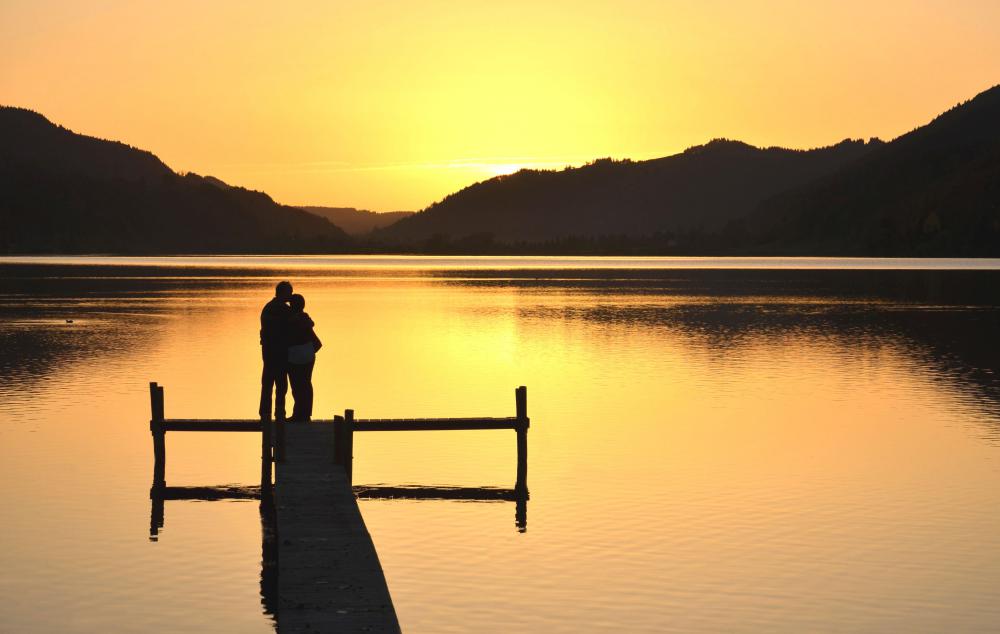
Humans have created a romantic image of the wilderness based on solitude and contemplation. Many humans seek out these areas because they feel like it brings them closer to nature. Others are intrigued by the interactions of the animals which live there, or they are captivated by mythology surrounding these areas. Many myths, for example, speak of being lost in a metaphorical wilderness, and this type of area is often associated with the unknown.

In the 20th century, many humans began to recognize a need for preserving natural spaces and locations which had experienced minimal human intervention. Numerous wilderness preservation societies arose, and the trend of creating parks and reserves became more widespread.
Frequently Asked Questions
What exactly defines an area as wilderness?
Wilderness is a natural environment that remains largely untouched by human development. It's characterized by its pristine condition, ecological integrity, and minimal human presence. According to the Wilderness Act of 1964, it's "an area where the earth and its community of life are untrammeled by man, where man himself is a visitor who does not remain."
Why is wilderness important to the environment?
Wilderness areas are crucial for biodiversity conservation, serving as habitats for numerous species, some of which are endangered. They also play a vital role in climate regulation by storing carbon and maintaining natural processes. The World Database on Protected Areas reports that protected wilderness areas cover about 15% of the Earth's land surface, highlighting their significance.
How does wilderness benefit human well-being?
Wilderness provides a multitude of benefits for human well-being, including opportunities for recreation, spiritual renewal, and mental health improvement. Studies have shown that time spent in nature can reduce stress and increase happiness. Moreover, wilderness areas offer ecosystem services like clean water and air, which are essential for human health and survival.
Can wilderness areas be used for any type of human activity?
While wilderness areas are protected, certain low-impact activities like hiking, camping, and wildlife observation are generally permitted. However, these activities are regulated to ensure they do not compromise the wilderness character. Extractive activities like logging, mining, and motorized vehicle use are typically prohibited to preserve the area's natural state.
How are wilderness areas protected and managed?
Wilderness areas are protected through legislation, such as the Wilderness Act in the United States, which establishes legal frameworks for their preservation. Management is carried out by government agencies like the National Park Service or the Forest Service, which enforce regulations, monitor ecological health, and maintain minimal infrastructure for visitors.
Are there any threats to wilderness areas?
Despite their protected status, wilderness areas face threats from climate change, invasive species, and adjacent land use practices. Climate change, in particular, is altering ecosystems at a rapid pace, as reported by the Intergovernmental Panel on Climate Change. Human encroachment and illegal activities also pose significant risks to these pristine environments.
Mary McMahon
Ever since she began contributing to the site several years ago, Mary has embraced the exciting challenge of being a AllThingsNature researcher and writer. Mary has a liberal arts degree from Goddard College and spends her free time reading, cooking, and exploring the great outdoors.
Learn more...
Mary McMahon
Ever since she began contributing to the site several years ago, Mary has embraced the exciting challenge of being a AllThingsNature researcher and writer. Mary has a liberal arts degree from Goddard College and spends her free time reading, cooking, and exploring the great outdoors.
Learn more...AS FEATURED ON:
AS FEATURED ON:









-
![The term "wilderness" often conjures images of contemplation and solitude.]() By: Andreas PThe term "wilderness" often conjures images of contemplation and solitude.
By: Andreas PThe term "wilderness" often conjures images of contemplation and solitude. -
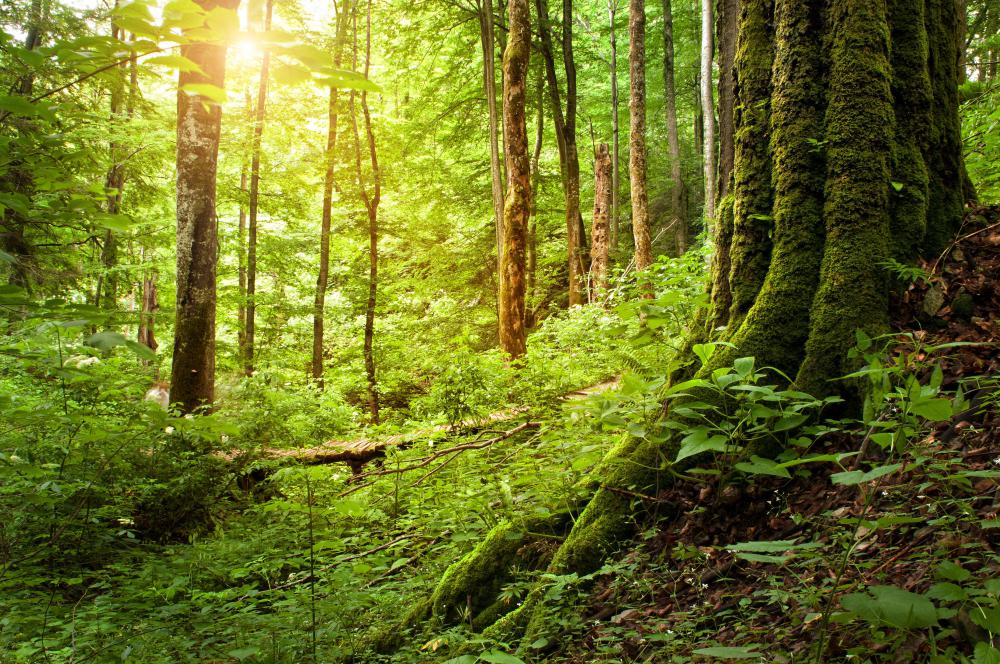
![Forests are considered wilderness.]() By: Grischa GeorgiewForests are considered wilderness.
By: Grischa GeorgiewForests are considered wilderness. -
![Deserts may be considered wilderness.]() By: desertsolitaireDeserts may be considered wilderness.
By: desertsolitaireDeserts may be considered wilderness. -
![Hiking trails make it easy to enjoy a trip through wilderness.]() By: Mark RasmussenHiking trails make it easy to enjoy a trip through wilderness.
By: Mark RasmussenHiking trails make it easy to enjoy a trip through wilderness.


Discussion Comments
Wilderness, it is a place to find oneself, that is how I would describe it. Or as Henry David Thoreau wrote over a century ago "...in Wilderness is the preservation of the World."
Post your comments