
At WiseGEEK, we're committed to delivering accurate, trustworthy information. Our expert-authored content is rigorously fact-checked and sourced from credible authorities. Discover how we uphold the highest standards in providing you with reliable knowledge.
What is the Renal Artery?
The renal artery is a large blood vessel that supplies each kidney. This vessel branches off from the primary artery of the heart, known as the aorta, and it supplies clean, oxygen-rich blood to each kidney. It is interesting to note that the blood supply to the kidney can be variable, and as such, there may sometimes be more than one artery supplying each organ.
In most cases, the artery that serves the right kidney is longer than the one in the left. This is due to the positioning of the kidney itself as well as the aorta and the superior vena cava. The superior vena cava is a large vein that carries blood to the right side of the heart after the cells and tissues of the body have absorbed the oxygen and other nutrients from the blood.

The right renal artery travels behind the veins known as the inferior vena cava and the right renal vein. This artery then travels behind the pancreas as well as the duodenum. The pancreas is an organ that contributes to both the digestive and endocrine systems of the body. The duodenum is the beginning segment of the small intestine.
The left artery is situated a bit higher than the one on the right. It is found behind the left renal vein, the pancreas, and the splenic vein. The splenic vein is the blood vessel responsible for draining the blood from the spleen. The inferior mesenteric vein crosses the left renal artery, and this blood vessel has the role of draining blood from the large intestine.

Renal artery stenosis is a common medical issue affecting these arteries. In this condition, the artery becomes narrowed, preventing proper blood flow to the kidney. High blood pressure often occurs once the artery becomes too narrow for blood to flow freely, and it can also cause kidney atrophy. When this occurs, some of the kidney tissue begins to waste away due to the lack of sufficient blood flow, often dramatically decreasing the size and sometimes the functioning of the organ.

Treatment options for stenosis of the arteries depend on the particular symptoms suffered by the patient as well as whether kidney function has been affected. Since high blood pressure is so common among those suffering from this condition, controlling it is generally the first course of treatment. Occasionally, surgery to expand the artery may become necessary.
AS FEATURED ON:
AS FEATURED ON:









-
![High blood pressure results when the renal artery becomes narrowed.]() By: Phase4PhotographyHigh blood pressure results when the renal artery becomes narrowed.
By: Phase4PhotographyHigh blood pressure results when the renal artery becomes narrowed. -
![A diagram of a kidney, including the renal artery in red.]()
A diagram of a kidney, including the renal artery in red. -
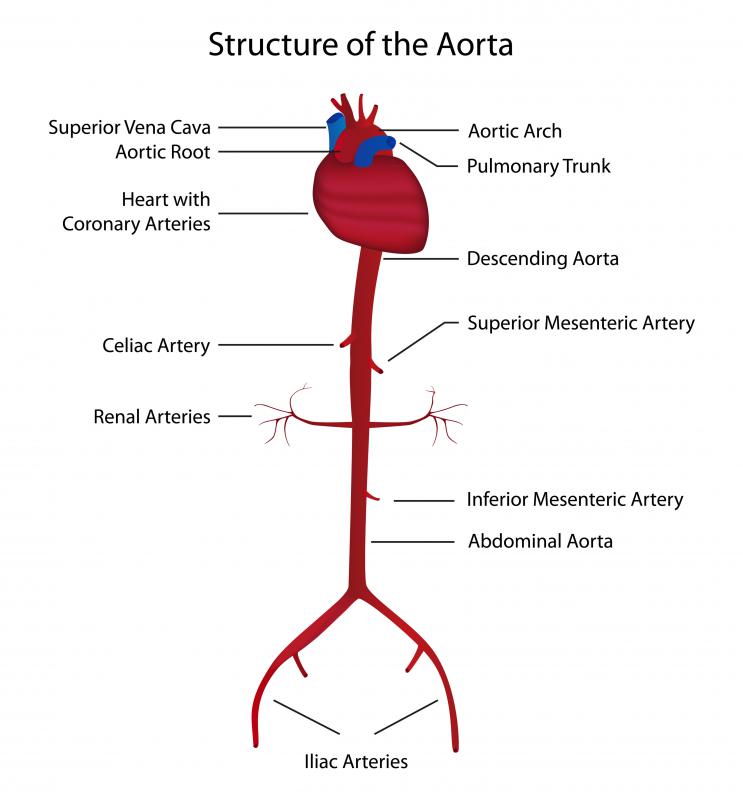
![A diagram of the aorta, showing the renal arteries.]() By: bilderzwergA diagram of the aorta, showing the renal arteries.
By: bilderzwergA diagram of the aorta, showing the renal arteries. -
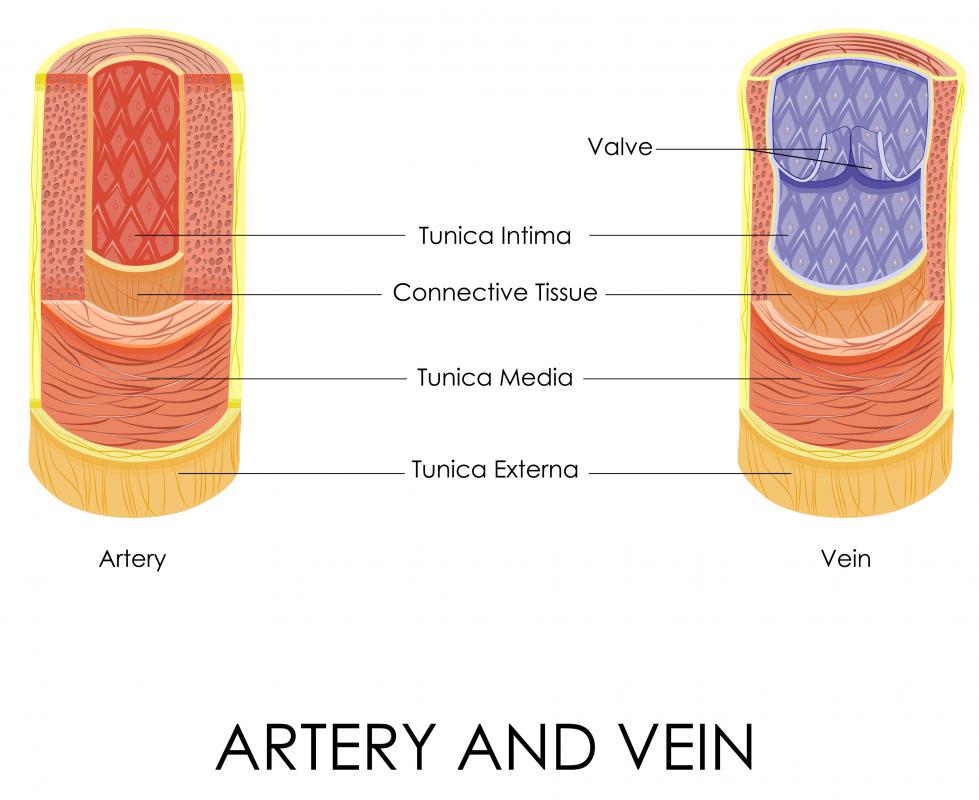
![In general, most arteries, including the renal artery, carry oxygenated blood.]() By: stockshoppeIn general, most arteries, including the renal artery, carry oxygenated blood.
By: stockshoppeIn general, most arteries, including the renal artery, carry oxygenated blood. -
![Kidneys play a crucial role in the urinary system and in maintaining electrolyte balance and blood pressure.]() By: Sebastian KaulitzkiKidneys play a crucial role in the urinary system and in maintaining electrolyte balance and blood pressure.
By: Sebastian KaulitzkiKidneys play a crucial role in the urinary system and in maintaining electrolyte balance and blood pressure.



Discuss this Article
Post your comments