
At TheHealthBoard, we're committed to delivering accurate, trustworthy information. Our expert-authored content is rigorously fact-checked and sourced from credible authorities. Discover how we uphold the highest standards in providing you with reliable knowledge.
What is the Peptic Ulcer Diet?
 Tricia Christensen
Tricia Christensen
Tricia Christensen
The peptic ulcer diet may help reduce some symptoms of indigestion, but it cannot cure peptic ulcers or prevent them from forming. While in the past it was thought that peptic ulcers were mainly the result of diet or stress, medical professionals today point to an entirely different cause, the presence of the h. pylori bacteria. Sometimes this bacterium will inflame the stomach or duodenum lining and result in an ulcer.
Though diet is not a primary cause of ulcers, and most peptic ulcers are now treated with antibiotics, observing the peptic ulcer diet while you have an ulcer, or if you are subject to frequent indigestion, may provide some comfort. The eating recommendations for those with peptic ulcers are fairly broad, and not all people respond well or poorly to listed suggestions for food. Some foods on the restricted or not suggested list may not cause flare-ups of stomach problems, and other recommended foods may not always make your stomach happy.

The following foods and additives to foods are not recommended with the peptic ulcer diet: Any carbonated drinks, caffeine rich foods or drinks, most foods containing a high amount of saturated fat, high sodium foods, strong spices and hot foods like chilies. This diet also recommends avoiding whole milk products (except yogurt), most green vegetables, nuts or dried fruit, tomatoes, and citrus and berry fruits or juices. Nicotine products of any kind are not advised and people with continual stomach issues are usually better off avoiding alcohol.

Recommendations for what you can eat on the peptic ulcer diet include low fat meats, oily fish, beans and peas and low fat milk products. Whole grain breads and cereals are usually fine to eat provided they don’t contain dried fruits or nuts. Although you need to avoid most nuts, you can have beans, and peanuts and peanut butter. You can also eat delicious crisp apples, carrots, and any other vegetables that your stomach tolerates well.

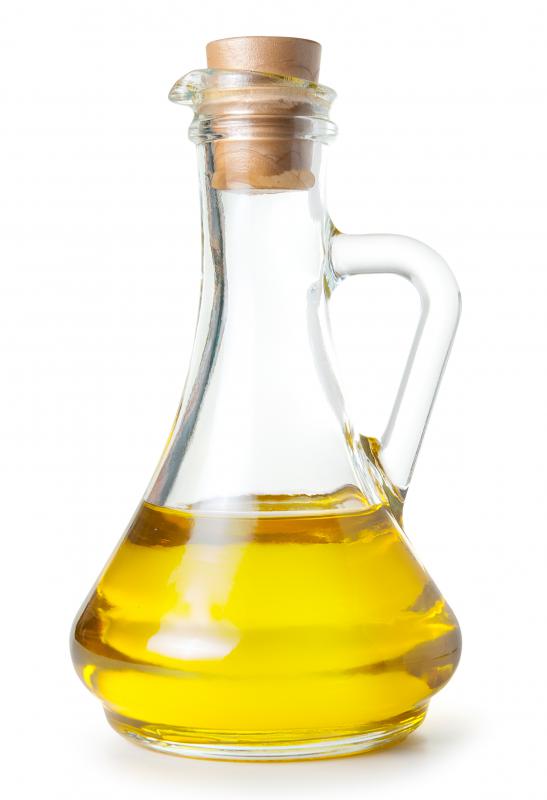
Other foods, ingredients, and/or spices that stick to this diet include a small amount of table salt, some sugar, pepper, and vinegar in moderation. In general, adhering to the peptic ulcer diet means avoiding high fat foods, choosing lean cuts of meat, and getting plenty of fiber. You can also use things like olive oil and other healthful oils that have good quantities of monounsaturated fat.

While such a diet cannot cure ulcers, some claim that it is helpful in reducing stomach upset. However since we now know that most peptic ulcers are the result of bacterial infection, diet alone is not adequate to address them. If you suspect you have an ulcer, see your doctor for medical treatment.
Tricia Christensen
Tricia has a Literature degree from Sonoma State University and has been a frequent TheHealthBoard contributor for many years. She is especially passionate about reading and writing, although her other interests include medicine, art, film, history, politics, ethics, and religion. Tricia lives in Northern California and is currently working on her first novel.
Learn more...
Tricia Christensen
Tricia has a Literature degree from Sonoma State University and has been a frequent TheHealthBoard contributor for many years. She is especially passionate about reading and writing, although her other interests include medicine, art, film, history, politics, ethics, and religion. Tricia lives in Northern California and is currently working on her first novel.
Learn more...AS FEATURED ON:
AS FEATURED ON:


-
![Olive oil, which can be used on the peptic ulcer diet.]() By: grekoffOlive oil, which can be used on the peptic ulcer diet.
By: grekoffOlive oil, which can be used on the peptic ulcer diet. -
![A healthy stomach and one with peptic ulcers.]() By: AlilaA healthy stomach and one with peptic ulcers.
By: AlilaA healthy stomach and one with peptic ulcers. -
![Apples are usually OK for people on a peptic ulcer diet to eat.]() By: denphumiApples are usually OK for people on a peptic ulcer diet to eat.
By: denphumiApples are usually OK for people on a peptic ulcer diet to eat. -
![A small amount of table salt may be eaten on a peptic ulcer diet.]() By: Jiri HeraA small amount of table salt may be eaten on a peptic ulcer diet.
By: Jiri HeraA small amount of table salt may be eaten on a peptic ulcer diet. -
![Foods high in sodium and saturated fat should be avoided on the peptic ulcer diet.]() By: NitrFoods high in sodium and saturated fat should be avoided on the peptic ulcer diet.
By: NitrFoods high in sodium and saturated fat should be avoided on the peptic ulcer diet. -
![Peptic ulcers can be caused by certain medications.]() By: designuaPeptic ulcers can be caused by certain medications.
By: designuaPeptic ulcers can be caused by certain medications. -
![Widely viewed as one of the healthiest types of cooking oil, canola oil is high in monounsaturated fats.]() By: branexWidely viewed as one of the healthiest types of cooking oil, canola oil is high in monounsaturated fats.
By: branexWidely viewed as one of the healthiest types of cooking oil, canola oil is high in monounsaturated fats.




Discussion Comments
The mainstay of ulcer treatment is the use of drugs that: 1. Reduce stomach acid secretion: the proton (hydrogen ion) pump inhibitors and histamine-2 receptor blockers, 2. Help protect the stomach lining: certain prostaglandin analogues and trisilicates, and 3. in the high percentage of ulcer sufferers who have been found to have an infection with Helicobacter Pylori, antibiotics which are used to perform 'eradicative therapy.'
@TunaLine -- You are right in that many stomach ulcer medications are antibiotics.
However, treating stomach ulcers is multi-fold.
A lot of it has to do with the patient changing his or her lifestyle -- for instance, avoiding alcohol or stopping smoking -- to encourage the ulcer to heal.
Additionally, doctors sometimes prescribe medication to protect the lining of the ceiling, or to reduce the amount of acid the stomach produces.
So aside from the peptic ulcer diet, what are the different stomach ulcer treatments?
Since ulcers are caused by bacteria I assume it's some kind of antibiotic, but can somebody set me straight on this?
A lot of people tend to rely on a stomach ulcer diet for a long time when they should be seeing their doctors for treatment.
If you feel like eating things not included in the stomach ulcer diet routinely give you heartburn or upset stomach, you should consult a doctor immediately.
If it is an ulcer, the sooner you get treatment, the better.
Post your comments