
At WiseGEEK, we're committed to delivering accurate, trustworthy information. Our expert-authored content is rigorously fact-checked and sourced from credible authorities. Discover how we uphold the highest standards in providing you with reliable knowledge.
What is the Nile River?
 Mary McMahon
Mary McMahon
Mary McMahon
The Nile River is a river which meanders across the Northeastern corner of Africa, hitting Sudan, Burundi, Rwanda, Ethiopia, the Congo, Kenya, and Egypt, among other locations. This river is perhaps one of the most famous in the world, thanks to the thousands of years of civilization which have been hosted on its banks. The Nile is also believed to be the longest river in the world, although the Amazon River may give the Nile a run for its money, when all tributaries and headwaters are counted.
This river drains around 10% of Africa, through a variety of tributaries which form two main trunks, the Blue Nile and the White Nile. In Sudan, these branches meet up, forming the main Nile River, which drains through a delta on the coastline of the Mediterranean. The Nile and its tributaries are so large that they can clearly be seen in satellite images and from space, and numerous striking images have been taken of the Nile by astronauts and satellites.

Many people associate the Nile with Egyptian civilization and culture, since the river has been the hub of life in Egypt since at least 4,000 BCE. Egyptians used the Nile River as a source of irrigation for crops, fished for food in the river, and used it as a thoroughfare for trading boats, and they knew the river as Iteru, the “Great River.” When the Greeks arrived, the Nile acquired its current name, derived from the Greek neilos, or “river valley.”

In addition to being important to the Egyptians, the Nile River also has historically been important to the other nations it travels through. As it drains through the Eastern corner of Africa, it irrigates crops, provides water for animals to drink, shelters fish, and provides a trading route for people to navigate. Like many other heavily utilized rivers, the Nile is a cause for concern among some scientists, who worry that it may be damaged through over-exploitation. The Nile is also at risk of pollution such as pesticide runoff from crops.

Until 1970, the seasonal rise and fall of the Nile was an important part of Egyptian culture. The annual flooding fertilized and deeply watered crops, and most Egyptians lived close to its banks to take advantage of the ample supply of water. Numerous Egyptian cultural artifacts are close to the banks of the Nile river, reflecting the ancient association with the river. In 1970, however, the face of the Nile River in Egypt changed radically, with the Egyptians using the Aswan dam to control flooding and generate power. Some people have suggested that the dam caused irreparable cultural and ecological harm, and they have lobbied unsuccessfully to see it dismantled.
Mary McMahon
Ever since she began contributing to the site several years ago, Mary has embraced the exciting challenge of being a WiseGEEK researcher and writer. Mary has a liberal arts degree from Goddard College and spends her free time reading, cooking, and exploring the great outdoors.
Learn more...
Mary McMahon
Ever since she began contributing to the site several years ago, Mary has embraced the exciting challenge of being a WiseGEEK researcher and writer. Mary has a liberal arts degree from Goddard College and spends her free time reading, cooking, and exploring the great outdoors.
Learn more...AS FEATURED ON:
AS FEATURED ON:









-
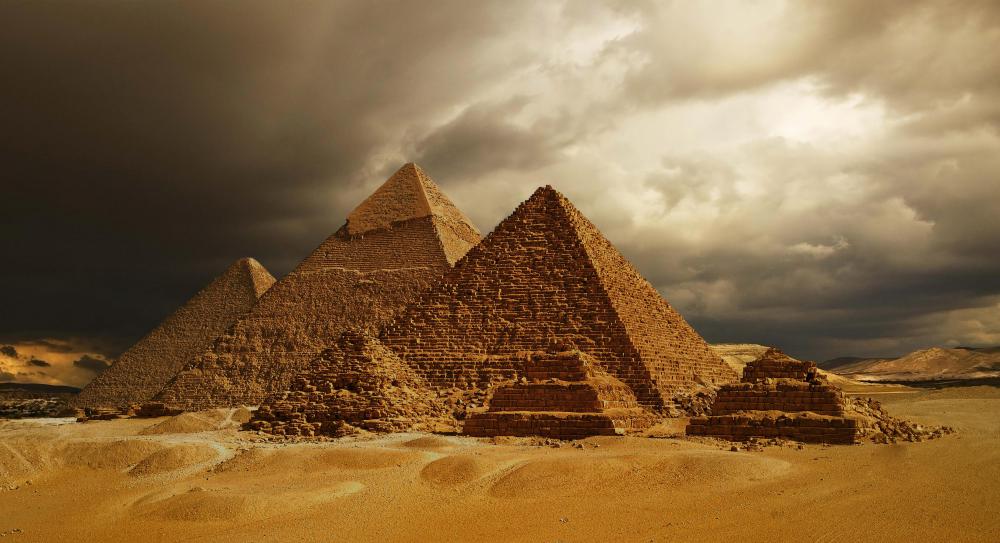
![The ancient Egyptian Empire used the Nile River to transport the stone blocks that were used to build the Pyramids of Giza.]() By: Hartmut LerchThe ancient Egyptian Empire used the Nile River to transport the stone blocks that were used to build the Pyramids of Giza.
By: Hartmut LerchThe ancient Egyptian Empire used the Nile River to transport the stone blocks that were used to build the Pyramids of Giza. -
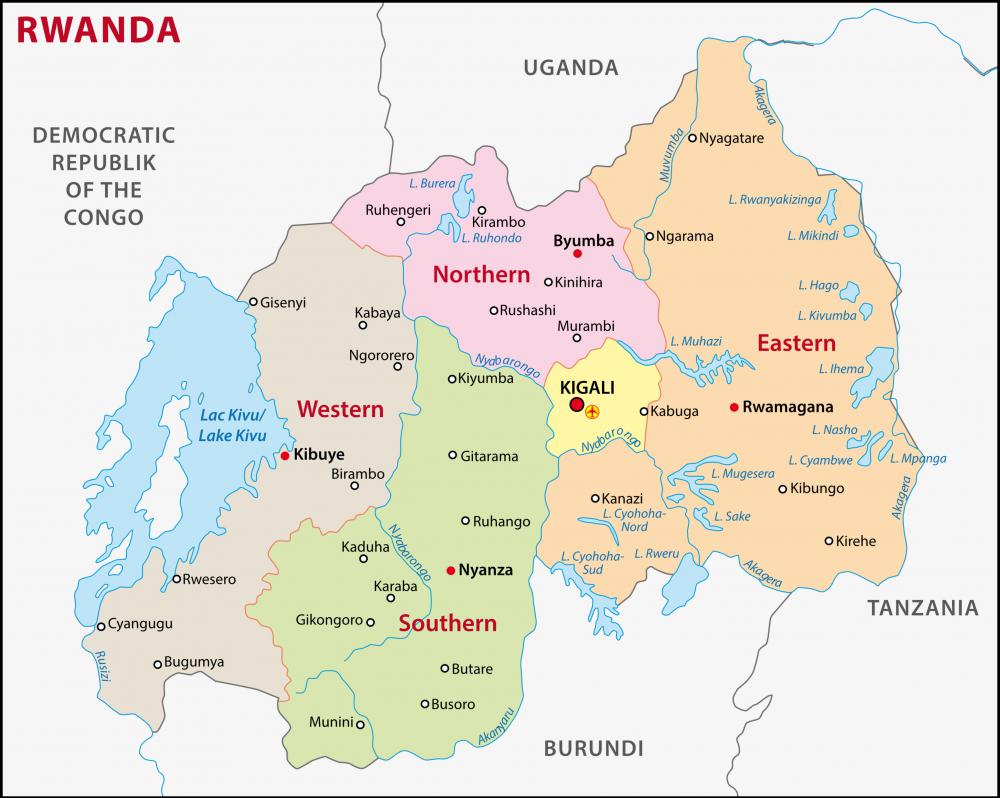
![The Nile River runs through the country of Rwanda.]() By: lesniewskiThe Nile River runs through the country of Rwanda.
By: lesniewskiThe Nile River runs through the country of Rwanda. -
![The Nile River is a river which flows across the Northeastern corner of Africa.]() By: Ruslan OlinchukThe Nile River is a river which flows across the Northeastern corner of Africa.
By: Ruslan OlinchukThe Nile River is a river which flows across the Northeastern corner of Africa. -
![The Amazon is the second-longest river in the world, second only to the Nile.]() By: alelinaThe Amazon is the second-longest river in the world, second only to the Nile.
By: alelinaThe Amazon is the second-longest river in the world, second only to the Nile. -
![In 1970, Egyptians started using the Aswan dam to control flooding and generate power, radically changing the Nile.]() By: eugen_zIn 1970, Egyptians started using the Aswan dam to control flooding and generate power, radically changing the Nile.
By: eugen_zIn 1970, Egyptians started using the Aswan dam to control flooding and generate power, radically changing the Nile.


Discussion Comments
This is a wonderful article. The things given are unanimous and need to be appreciated by everyone.
david w.
cool site. it's awesome.
posting some pictures might be better.
i think this site is so good i looked every where and could not find the nile river and now i found it.
Post your comments