
At AllThingsNature, we're committed to delivering accurate, trustworthy information. Our expert-authored content is rigorously fact-checked and sourced from credible authorities. Discover how we uphold the highest standards in providing you with reliable knowledge.
What is the Longest Day of the Year?
 Mary McMahon
Mary McMahon
Mary McMahon
The longest day of the year is the summer solstice, which falls around 21 June in the Northern Hemisphere, and 21 December in the Southern Hemisphere. The length of this day varies, depending on where on Earth a person is, with people in high latitudes experiencing very long days, while people closer to the equator experience shorter days. Along the equator, of course, every day of the year is of equal length.
The summer solstice is caused by the fact that the Earth is tilted on its axis. This means that, as it rotates around the Sun, one side of the Earth faces the Sun for a longer period, depending on where the Earth is in its rotation. Day length at the equator remains stable because the equator is always turned towards the Sun, no matter which pole is facing it.

In June, the Northern Hemisphere is tilted towards the Sun, causing the days to be longer because more of the North is exposed at any given time, while the days in the South are shorter because less of the hemisphere is exposed. As the Earth moves in its orbit, the alignment of the tilt slowly switches, causing the days in the North to shorten until the South is more fully exposed, giving the South its summer solstice.

The longest day of the year can reach 24 hours of daylight at very high latitudes, leading to the famous “midnight sun” of regions like Scandinavia. Historically, people have celebrated this point with midsummer parties, reflecting the coming change of seasons and celebrating the bounty of summer. The shortest day of the year, the winter solstice, is also usually celebrated for the expected return of the light as the days begin to lengthen.

Just as the poles get lots of light in the summer, they also get a lot less light in the winter. Researchers in Antarctica, for example, get to see only a brief flash of light in June, because the South Pole is turned away from the Sun during this period. Likewise, when the days get longer in the South, people in Northern latitudes experience less daylight. Lack of light can lead to depression, and it makes it harder to grow crops and raise livestock. No small wonder that people viewed the shortest and longest day of the year with superstition historically, recognizing the hardship of short days.
Frequently Asked Questions
What is the longest day of the year called?

The longest day of the year is known as the summer solstice, which occurs when one of the Earth's poles has its maximum tilt toward the Sun. It typically happens around June 20 to 22 in the Northern Hemisphere, marking the start of astronomical summer and the day with the most daylight hours.
When does the summer solstice occur?
The summer solstice occurs annually between June 20 and June 22 in the Northern Hemisphere, when the Sun reaches its highest position in the sky at noon. This date varies slightly each year due to the Earth's elliptical orbit and its axial tilt, as explained by astronomical calculations.
How many hours of daylight are there on the longest day?
The amount of daylight on the longest day can vary depending on your location. For instance, New York City experiences about 15 hours of daylight during the summer solstice, while locations closer to the Arctic Circle, like Reykjavik, Iceland, can have nearly 24 hours of daylight, known as the Midnight Sun phenomenon.
Does the summer solstice happen on the same day in the Southern Hemisphere?
No, the summer solstice in the Southern Hemisphere occurs around December 20 to 23, when the South Pole is tilted closest to the Sun. This is when countries in the Southern Hemisphere, such as Australia and South Africa, experience their longest day and the beginning of their summer season.
What causes the variation in daylight hours during the year?
The variation in daylight hours throughout the year is caused by the tilt of the Earth's axis. This 23.5-degree tilt means that as the Earth orbits the Sun, different parts of the planet receive varying amounts of sunlight, leading to changing day lengths and the progression of seasons.
Are there any cultural or historical celebrations associated with the longest day of the year?
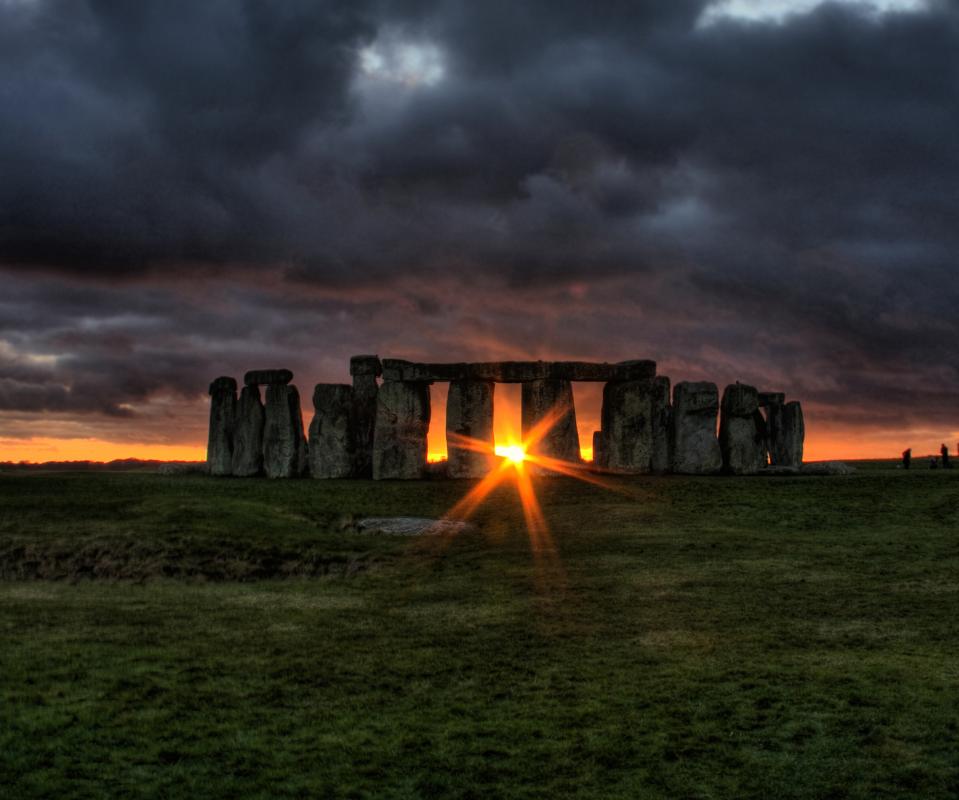
Yes, the summer solstice has been celebrated for centuries across various cultures. For example, the ancient Stonehenge monument in England aligns with the sunrise on the solstice, indicating its significance to prehistoric peoples. In modern times, festivals, rituals, and gatherings often take place to honor the longest day of the year and the fertility of the Earth.
Mary McMahon
Ever since she began contributing to the site several years ago, Mary has embraced the exciting challenge of being a AllThingsNature researcher and writer. Mary has a liberal arts degree from Goddard College and spends her free time reading, cooking, and exploring the great outdoors.
Learn more...
Mary McMahon
Ever since she began contributing to the site several years ago, Mary has embraced the exciting challenge of being a AllThingsNature researcher and writer. Mary has a liberal arts degree from Goddard College and spends her free time reading, cooking, and exploring the great outdoors.
Learn more...AS FEATURED ON:
AS FEATURED ON:









-
![The orientation of Stonehenge, a megalithic site in Great Britain, aligns with the sun during the solstices and equinoxes.]() By: Gail JohnsonThe orientation of Stonehenge, a megalithic site in Great Britain, aligns with the sun during the solstices and equinoxes.
By: Gail JohnsonThe orientation of Stonehenge, a megalithic site in Great Britain, aligns with the sun during the solstices and equinoxes. -
![The shortest days of the year have less sunlight, leading to frequent depression.]() By: djtaylorThe shortest days of the year have less sunlight, leading to frequent depression.
By: djtaylorThe shortest days of the year have less sunlight, leading to frequent depression. -
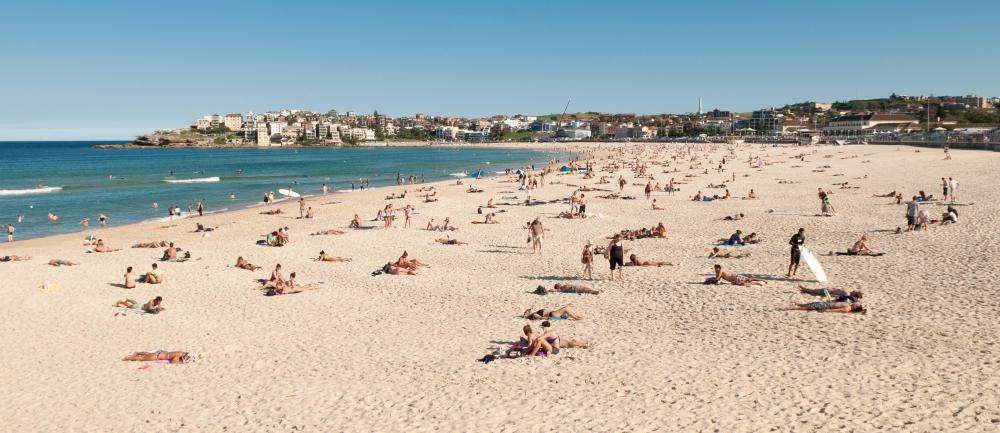
![The longest day of the year is the summer solstice, which marks the official start of summer.]() By: clabertThe longest day of the year is the summer solstice, which marks the official start of summer.
By: clabertThe longest day of the year is the summer solstice, which marks the official start of summer. -
![Antarctica only gets brief sunlight in June.]() By: axilyAntarctica only gets brief sunlight in June.
By: axilyAntarctica only gets brief sunlight in June.


Discussion Comments
@CirrusClouds- Ancient astronomers believed when the sun wouldn't rise, or set depending on the time of year, that the natural world was falling into chaos. They believed if the sun was out of rhythm, the rest of the world would fallow.
People feared for their crops and their livestock, believing there was black magic affecting the sun. They burned fires and spun sun wheels, trying to coax the sun back into a normal rhythm.
What are some of the superstitions people believe about the summer solstice?
Post your comments