
At DelightedCooking, we're committed to delivering accurate, trustworthy information. Our expert-authored content is rigorously fact-checked and sourced from credible authorities. Discover how we uphold the highest standards in providing you with reliable knowledge.
What is the History of Marzipan?
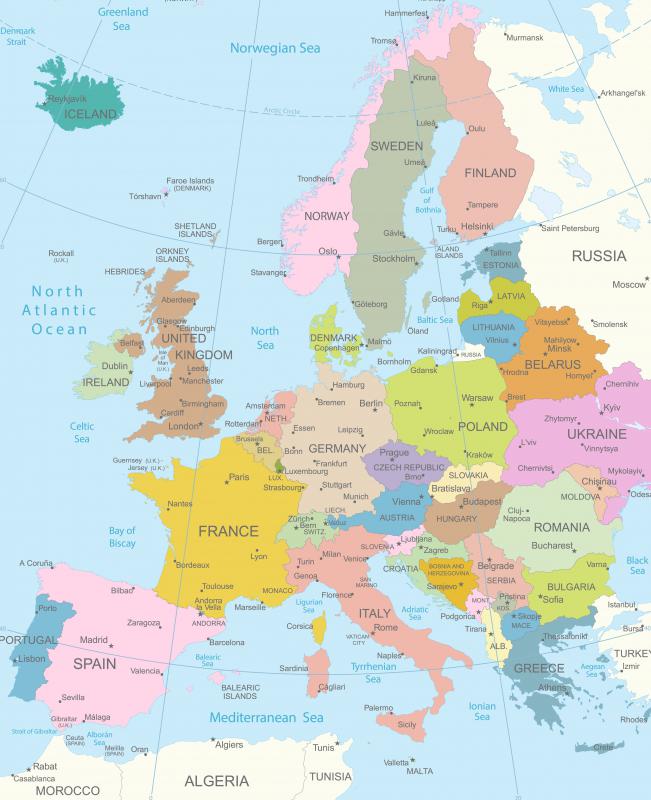
Marzipan is a culinary paste created of ground almonds and sugar, which is then frequently sculpted into intricate shapes. Food historians believe that it most likely originated in the Middle East and was introduced to Europe in the late Middle Ages. Documented in England as early as the latter part of the 15th century, the confection is also known as marchpane, martspane, mazapan, or marchpan. It is likely that the British borrowed the word from the early modern French word marcepain or the Italian marzapane.
The paste was first used to form subtleties, or detailed figures, of animals, men, trees, castles, and other shapes. The figures made from sugar paste and jellies were presented at the end of each course of a medieval feast.

Germany, especially the city of Lübeck, represents itself as the “world capital of marzipan.” Initially used there for medicinal reasons, a decree first restricted its consumption as a sweet extravagance. It was not until much later, the 18th century, when the paste became a popular confectionery good, and even then it was reserved as a treat for special holiday occasions. In the 1950s, it reached the status of an everyday confectionery item.

Eight manufacturers in the Lübeck area formed the Lubecker Marzipan Association in 1974, with the goal of preserving the integrity of the name associated with the town. The manufacturers distinguish their product from others by requiring that it have a ratio of 30% sugar to raw almond paste, as opposed to a 50-50 ratio often found in items produced in other places.

Marzipan is hardly considered a luxury item any longer, and its use varies in different parts of the world. In Italy, it is frequently shaped and colored to represent fruit. In Spain, it's often shaped into animals and contains a filling of egg yolk and sugar.
Other countries use various shapes as traditional treats during specific holiday seasons, varying from novelty New Year “good luck” pigs, heart-shaped Valentine gifts, brightly-colored Easter eggs and other holiday shapes to chocolate-covered marzipan loaves and bars. It's also used as icing for wedding and Christmas cakes.
AS FEATURED ON:
AS FEATURED ON:


-
![Marzipan paste is used to form decorative figures of trees, people, and animals.]() By: WimLMarzipan paste is used to form decorative figures of trees, people, and animals.
By: WimLMarzipan paste is used to form decorative figures of trees, people, and animals. -
![Marzipan is made from ground almonds and sugar.]() By: ElenathewiseMarzipan is made from ground almonds and sugar.
By: ElenathewiseMarzipan is made from ground almonds and sugar. -
![A cupcake decorated with marzipan roses.]()
A cupcake decorated with marzipan roses. -
![Historians believe marzipan originated in the Middle East.]() By: Ruslan OlinchukHistorians believe marzipan originated in the Middle East.
By: Ruslan OlinchukHistorians believe marzipan originated in the Middle East. -
![Marzipan was introduced to Europe in the late Middle Ages.]() By: EklerMarzipan was introduced to Europe in the late Middle Ages.
By: EklerMarzipan was introduced to Europe in the late Middle Ages.


Discussion Comments
We had a marzipan cake made for my son's birthday and it was amazing! Not only did it taste very good, but the little marzipan animal figures on it were adorable!
I love badam barfi, it's my favorite Indian sweet. I've never had marzipan before, but I'm sure it tastes basically the same.
Does the European marzipan recipe ever include spices in it like that?
@anon135127-- The article said that it probably originated in the Middle East. I think it's hard to know where these kinds of foods originated because it's eaten in so many different countries and everyone will claim they made it first.
My opinion is also that it probably originated in the Middle East and then made its way to Europe but who knows.
and probably arrived in spain because of the moorish occupation. It's Persian.
This is not true. Marzipan originated in spain!
Post your comments