
At HomeQuestionsAnswered, we're committed to delivering accurate, trustworthy information. Our expert-authored content is rigorously fact-checked and sourced from credible authorities. Discover how we uphold the highest standards in providing you with reliable knowledge.
What is the History of Interior Design?
The history of interior design is long and full of changes driven primarily by region, material availability, and dominant trends and societal ideals. In a very basic sense, “interior design” is the collection of ways in which any inside space is arranged, and can include everything from art to furniture and upholstery. Some of the most prominent theories and styles of design have evolved over time, usually growing and changing with the sensibilities of the most influential people or most prominent groups in a given region. Different trends have been more popular at different times, too. Through the ages, there have been great advances in the art of interior design, but its roots tend to be simple and styles are often representative of a particular historical period. Different cultures have different milestones, too. In the Western and European traditions, some of the most prominent include ancient times, the Middle Ages, and the Victorian era.
Design History Basics

Tracing the history of the design movement usually requires an understanding of region, which includes things like available resources and cultural styles as well as the reigning influences of the times. The popularity of certain styles and looks tends to surge and ebb depending on a number of different factors. Trends in anything, be it fashion, cars, or design, are often determined by things like celebrity endorsement as much as they are by availability and practicality. Tracing the history of the movement, then, usually requires an evaluation of both the trend leaders and the practical constraints of the day.
Ancient Past

Interior design in the ancient past was necessarily far different from the designs of today. Cavemen and primitive peoples often wrote or drew on the walls of their homes as a means of preserving history. Today, these decorations are often referred to as the first hints of interior designs. The rudimentary nature of the art did not typically incorporate modern tools such as color pallets or interior design rules, but this historical documentation served to change the look of the room, and thereby helped to design the interior.
Middle Ages

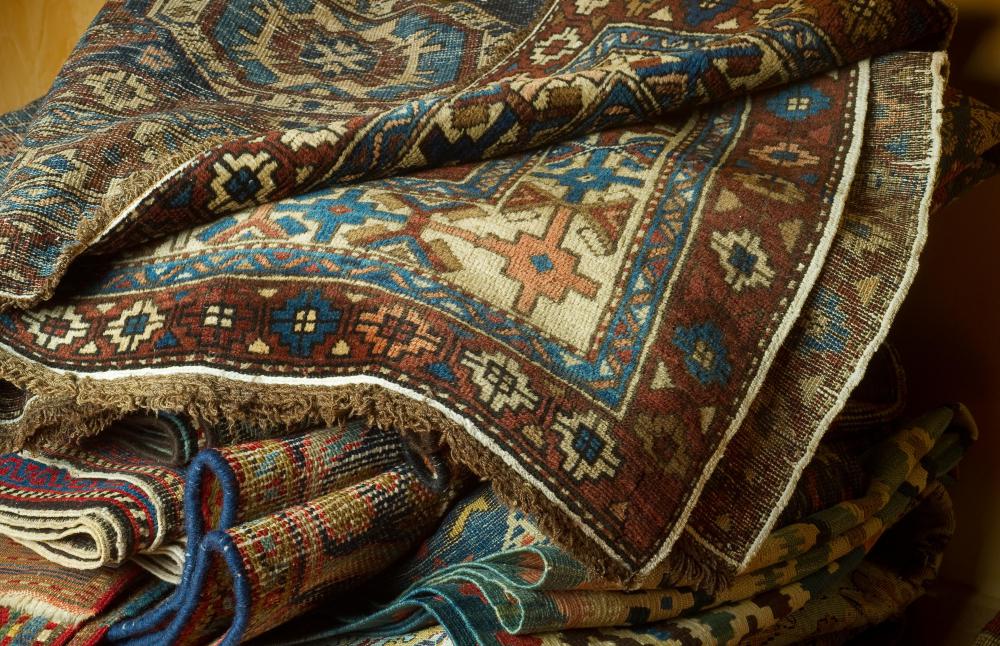
During the Middle Ages, home design choices were often made to include necessities more than for appearance alone. For instance, many people lived in huts that provided shelter from the elements and not much more. Oriental rugs, used on both walls and floors, first became popular during this time, specifically around the start of the Crusades. Using rugs had a practical purpose in that they helped retain heat. Later, when plaster was introduced, rugs were commonly used on the floors and paintings became popular wall hangings. Increasingly, homeowners used these elements for aesthetic purposes as much as for practical ones.
Renaissance

The Renaissance and Baroque periods had a profound influence on the evolution of design, particularly in Europe. These years were marked by advances in all forms of art, but the arrangement of interior spaces was no exception. Much of the reigning theory and most practiced ideals were formed based on what was popularized by the elite. Nobility had a great deal of influence during this time certainly, but the educated elite, be they thinkers or artists of influence, also had a great deal of sway when it came to determining what was “in.”
Also important to note was that the Renaissance gave birth to huge interior spaces, which were often lavishly decorated with items from around the world. The Baroque period expanded on the idea of filling a room with treasures by using the walls as a canvas for art.
Victorian Times
By the Victorian age, the look of the home was becoming increasingly important to those living within the space, particularly those of means. Interior design choices were often representative of the class, or status, of the homeowner. For instance, the more money the homeowner earned, the more luxurious the design choices were expected to be. After the Renaissance and Baroque eras, the Victorian home was one of the first to incorporate powerful works of art in home decor, particularly in rooms that were spacious and richly decorated.
Post-War and Modern Times
After World War II, home decor shifted in many ways to become more reflective of personal tastes. Unlike previous eras in the history of interior design, when the home represented a family’s class level, in the years directly following the war interior design in most regions was more about the homeowner’s individual choices and tastes when it came to artwork, color schemes, and collectibles. Design styles such as Art Deco, Pop Art, and Modern are examples of the types of home decor that became popular during this time.
The modern era also gave rise to interior design as a unique profession or trade. Designers work with corporate clients and individuals to plan the specifics of a variety of interior spaces, usually to create a certain ambiance or "feel."
AS FEATURED ON:
AS FEATURED ON:


-
![Cavemen drawings are often referred to as the first hints of interior design.]() By: Nomad_SoulCavemen drawings are often referred to as the first hints of interior design.
By: Nomad_SoulCavemen drawings are often referred to as the first hints of interior design. -
![Oriental rugs became popular during the Middle Ages.]() By: Marco MayerOriental rugs became popular during the Middle Ages.
By: Marco MayerOriental rugs became popular during the Middle Ages. -
![After World War II, home decor became more reflective of personal tastes.]() By: Iriana ShiyanAfter World War II, home decor became more reflective of personal tastes.
By: Iriana ShiyanAfter World War II, home decor became more reflective of personal tastes. -
![Modern design aims for clean minimalism.]() By: ostap25Modern design aims for clean minimalism.
By: ostap25Modern design aims for clean minimalism.



Discussion Comments
@WalrusTusk - I think that's a good point to make. Art comes in many forms and often times artists have several different genres of work they like to work within or several different talents, if you will. Interior decor is about creating a cohesive space, which a lot of people don't understand. I like that this article has broken things down a bit and gone over some of the more important aspects of its history.
@Pimiento - I can definitely understand where you are coming from... especially if you are an actual Interior Designer yourself. The fact of the matter is, though, that a lot of people have interior ideas when it comes to decorating, but many of them don't understand that you can't just throw a bunch of furniture, pillows, rugs, and accessories into a room and get the mood that you are after. An Interior Design degree comes in many forms, whether it's a vocational license (Interior "Decorator) or an Associate's or Bachelors degree (think being a member of LEED or being registered with the Interior Design Association.)
There are several levels, but many artists will lay claim to something they have no experience in simply because Interior Design really is an art form.
@doppler - I think that a lot of people right now are just bored with the recession and all that junk that they have nothing better to do than to "design" their own homes. It really gets to me when people call themselves "designers" when they really have no special training or talents that have anything to do with design outside of their own home. A room's interior is different when it's not done in your own tastes. You really should learn to love what you do rather than focus on what you don't like. I like that this article is really going through time on a step by step process.
Interior Design today is quickly becoming more about the whole melting pot aspect of a family. Whether you are single or you have kids, there comes a point where you decide that it's time to grow up and that there is so much more to a bedroom than just a bed with a box spring on the floor (come on, we all did it).
A lot of successful designers look for interior architecture points to start off from and go from there, using archways and fireplaces (to name a couple) as the main focal points of a home or space. While this article states that interior design can be traced back to "caveman times," the truth is that it is much more popular and has much more interest now than it ever did before.
Post your comments