
At TheHealthBoard, we're committed to delivering accurate, trustworthy information. Our expert-authored content is rigorously fact-checked and sourced from credible authorities. Discover how we uphold the highest standards in providing you with reliable knowledge.
What is the Gestation Period?
Gestation is the act of an embryo or fetus developing within the body of a female host, usually the mother, in a viviparous animal, like a mammal. The gestation period in humans is equal to the amount of time spent in gestation, plus two weeks. In other animals, the period may or may not include an extra amount of time, depending on how it is calculated. The length of time required for gestation can differ wildly between species, and even within a single species there may be some range.
For example, the average human gestation period is 38 weeks. Gestation may normally last anywhere from 37 to 42 weeks, however, and be considered well within the healthy range. Any child born before 37 weeks is considered preterm, and this can be accompanied by any number of health risks. In fact, preterm is one of the leading causes of infant mortality, with around one-in-six infant deaths the result of a preterm birth. A pregnancy that lasts longer than 42 weeks is considered post-term, although in most cases in the modern world, labor will be induced or an operation will be undertaken before this amount of time has passed.

The length of a species’ gestation depends on a number of factors, including the size of the animal, its metabolism, and how exactly it bears its young. For example, placental mammals tend to have the longest gestation periods, as their young are born in an advanced state of development. Marsupial mammals, on the other hand, have much shorter periods, since their young can still be quite unformed, and they have a protective pouch to continue to develop within in relative safety.

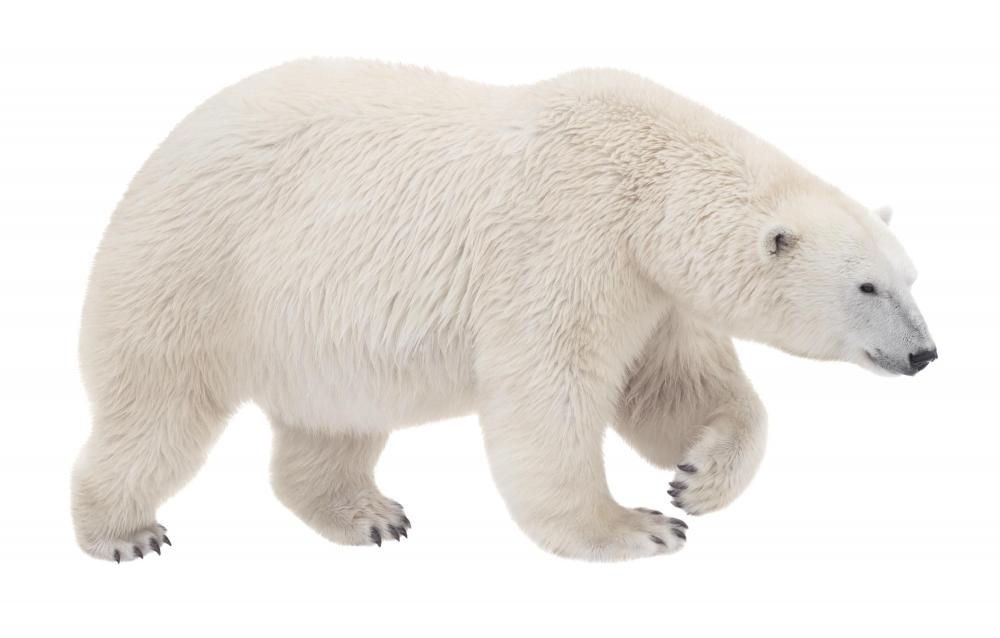
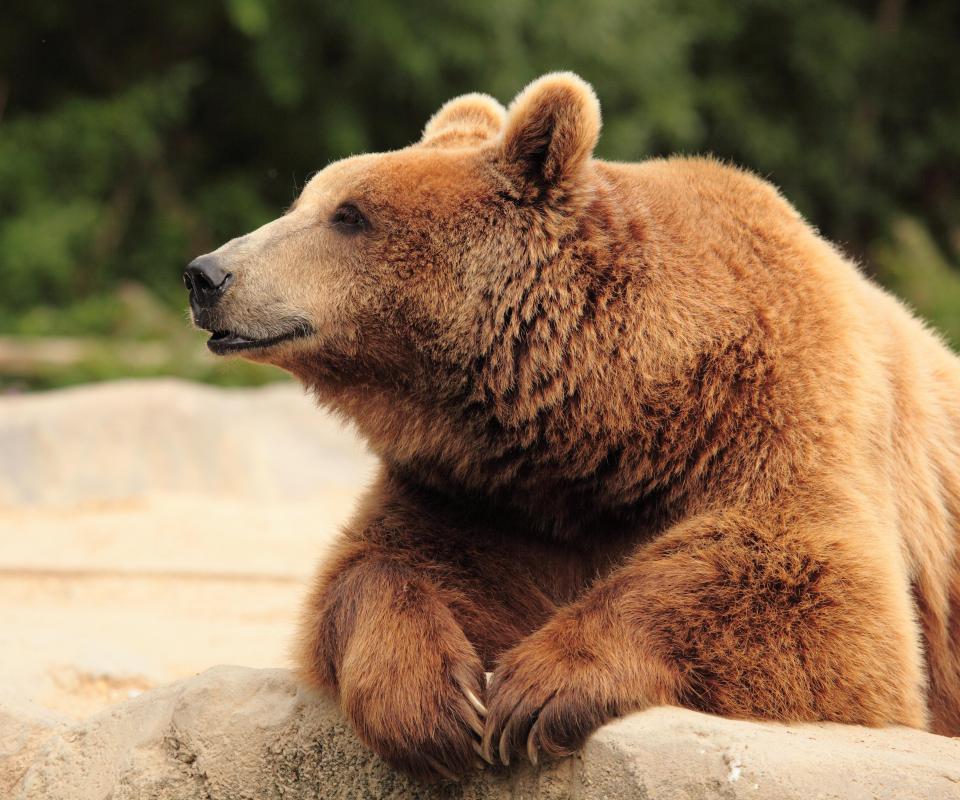
For example, while a human has an average gestation of 266 days, a much smaller mammal, like a chipmunk, can have a much shorter period, in this case 31 days. Comparably-sized placental mammals, like grizzly bears, have comparable gestation lengths, in this case 225 days. Within similar animals, there is some variation as well: grizzly bears have an average gestation period of 225 days, but black bears have an average of 210 days, and polar bears have an average of 240 days.

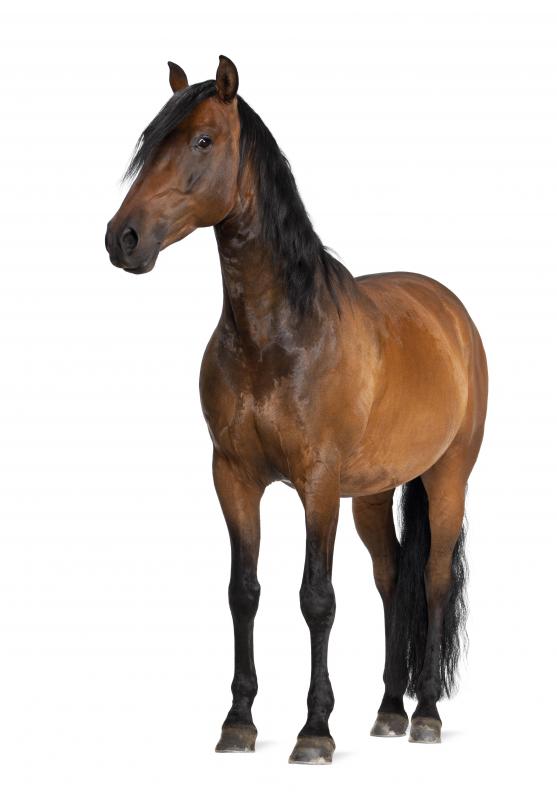
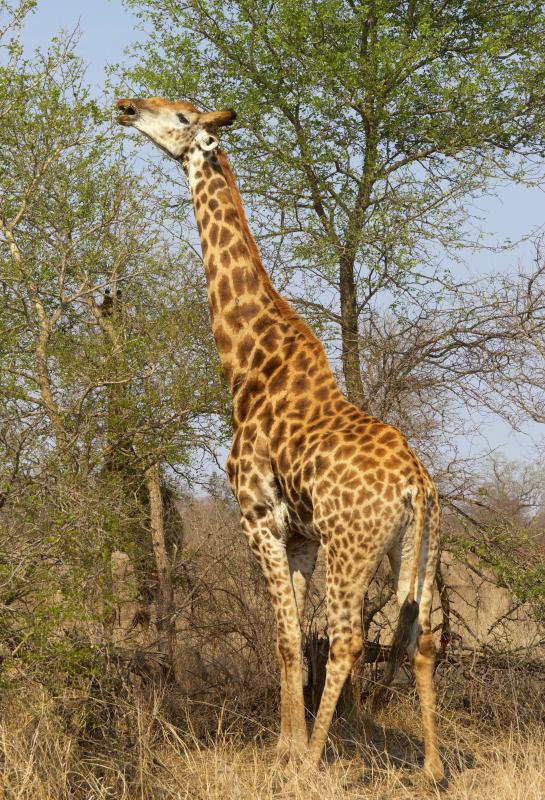
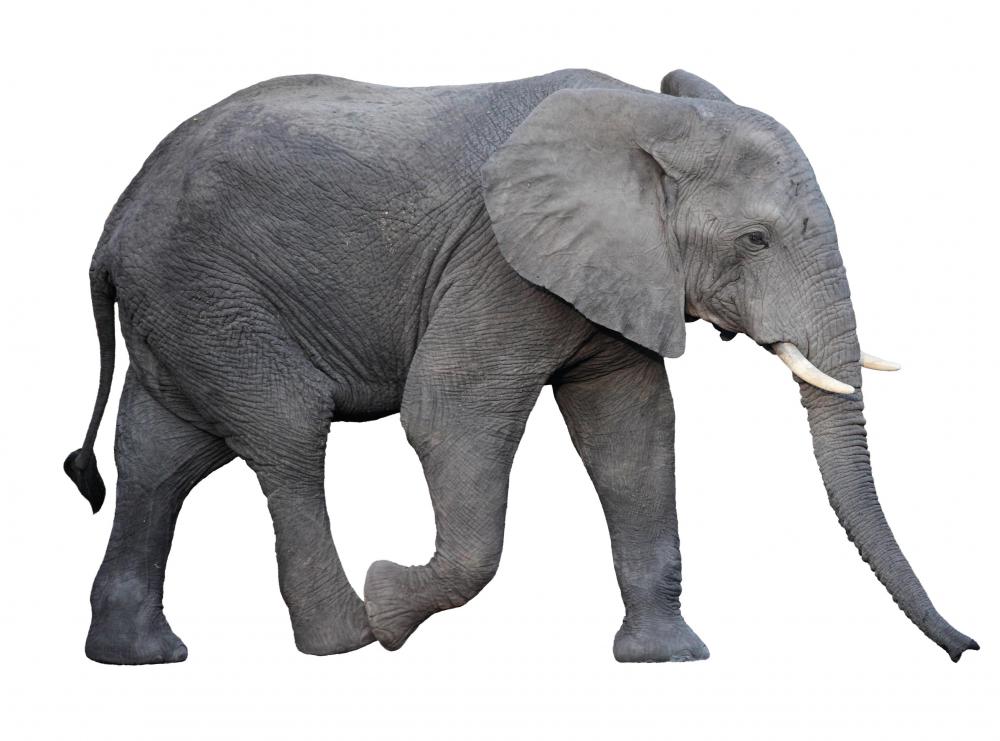
Larger animals, which require more time to develop before being born, often stay in the womb longer than humans. Animals that are born in a more fully-functional state may also need more time. For example, horses have a gestation period of around 335 days, but when born, they can stand almost immediately and are quickly functional. Giraffes, which are sizable animals, have an average gestation of 435 days, rhinoceroses have an average period of 450 days, and elephants, the largest land mammals, have an average period of 645 days.

The term for how long an egg takes to hatch is often referred to as an incubation period. Incubation periods tend to be quite a bit shorter than the time it takes for gestation of comparably-sized mammals. A chicken, for example, has an incubation period of 20 days, and even larger birds like emus have incubation periods of only around 55 days.
AS FEATURED ON:
AS FEATURED ON:


-
![Horses have a long gestation period.]() By: Eric IsseléeHorses have a long gestation period.
By: Eric IsseléeHorses have a long gestation period. -
![The human gestation period lasts from 37-42 weeks.]() By: blueringmediaThe human gestation period lasts from 37-42 weeks.
By: blueringmediaThe human gestation period lasts from 37-42 weeks. -
![The average gestation period for giraffes is 435 days.]() By: David_SteeleThe average gestation period for giraffes is 435 days.
By: David_SteeleThe average gestation period for giraffes is 435 days. -
![An elephant's gestation period is about 645 days.]() By: tieroAn elephant's gestation period is about 645 days.
By: tieroAn elephant's gestation period is about 645 days. -
![The average gestation of a polar bear is longer than for other bears.]() By: ILYA AKINSHINThe average gestation of a polar bear is longer than for other bears.
By: ILYA AKINSHINThe average gestation of a polar bear is longer than for other bears. -
![A grizzly bear's gestation period is comparable to a human's.]() By: erllreA grizzly bear's gestation period is comparable to a human's.
By: erllreA grizzly bear's gestation period is comparable to a human's.

Discussion Comments
I was absolutely miserable when I was pregnant and I was close to giving birth. At that point you are also so anxious to see and hold the baby after you have been carrying them for so long.
Whether it is the gestation period for a human being or for an animal, I think the whole process is fascinating and amazing. There is nothing more precious than a newborn baby and nothing cuter than a little puppy or kitten.
When I was growing up on the farm we had horses and usually had colts every spring. The gestation period for a horse is right around a year. While we never had the opportunity to see one being born, there were a few times we were there shortly after it happened. It is amazing they are able to stand and nurse within just a few minutes of being born.
@ysmina -- I don't know if the gestation period has anything to do with how long an animal will live or not. The gestation period for a dog is about 8-9 weeks and they don't live nearly long enough. For anyone who has had to put a dog down, you understand what I am talking about.
I had a female dog that I had bred a couple of times and it was always exciting waiting for those puppies to be born. I kept one puppy from each of her litters and was sure glad I had them when she died.
I didn't know that the bigger the animal, the longer the gestation period is. Good info!
Does the gestation period have anything to do with how long the animals live?
I have a cat and I know that cats' gestation period is about 2 months and they live for about 15 years. I always thought that God gives them the opportunity to reproduce so often because they don't live too long.
Am I wrong about this?
There was a really interesting program on TV about the African buffalo. I heard from there that African buffalo's conception and gestation period is synchronized with the seasons and rainfall. Somehow, they become pregnant around the time that the first rainy season starts. Their gestation begins a month after and lasts for 11 months.
It's so interesting. Its gestation period is actually shorter than it should be, because it is a pretty large animal. They have adapted themselves to nature, so when the female buffalo is pregnant, it has plenty of food to eat!
Gestation refers to the period when the unborn organism is still inside the womb and is developing until the organism is born. The period of gestation may vary according to size. For example a human has a gestation period of nine months and a chicken has a gestation period of 3/4 months.
Post your comments