
At WiseGEEK, we're committed to delivering accurate, trustworthy information. Our expert-authored content is rigorously fact-checked and sourced from credible authorities. Discover how we uphold the highest standards in providing you with reliable knowledge.
What is the Difference Between Soluble and Insoluble Fiber?
 Malcolm Tatum
Malcolm Tatum
Malcolm Tatum
There are two distinct classes or groups of dietary fiber that are required as part of any healthy diet plan: soluble and insoluble fiber. Soluble fiber dissolves in water and is used by the body to maintain blood sugar and cholesterol levels, and it keep food passing through the digestive tract at the right speed. Insoluble fiber absorbs liquid and helps keep the digestive tract clean. While somewhat different in nature, both contribute important elements that can make for a healthy lifestyle, which makes the regular ingestion of both an essential part of any effective diet plan.
Soluble fiber will dissolve in liquid, and it can be found in most types of fruit. Because it absorbs readily into the body, it can be an effective tool in maintaining healthy blood sugar levels. Soluble fiber will turn into a gel in the digestive tract and works to keep the rate of food passing through the system from progressing too quickly. This allows the nutrients derived from food to be absorbed into the system before the bulk is excreted. Soluble fiber is thought to also help with maintaining healthy cholesterol levels, which may indirectly also promote a healthier cardiovascular system.

Insoluble fiber, on the other hand, will not dissolve in liquid. As such, it fulfills the important task of helping to keep the digestive tract free of anything that could cause a blockage. Insoluble fiber will absorb liquid and expand in the tract, gently but effectively speeding the process of moving bulk through the system while scraping the interior walls of the tract clean. Vegetables are an excellent source of insoluble fiber, and the eating of this type of fiber each day will help to maintain regularity.

Both soluble and insoluble fiber are needed as part of the daily diet because each type provides specific health benefits. In addition, they both work to maintain the proper function of the digestive tract in general, which can make a huge impact on overall health. Maintaining a stable balance between the amount of each type of fiber in the diet plan for each day can lead to more efficient absorption of vitamins and nutrients, maintain regularity, and prevent several common health ailments that can become serious over time.
Malcolm Tatum
After many years in the teleconferencing industry, Michael decided to embrace his passion for trivia, research, and writing by becoming a full-time freelance writer. Since then, he has contributed articles to a variety of print and online publications, including WiseGEEK, and his work has also appeared in poetry collections, devotional anthologies, and several newspapers. Malcolm’s other interests include collecting vinyl records, minor league baseball, and cycling.
Learn more...
Malcolm Tatum
After many years in the teleconferencing industry, Michael decided to embrace his passion for trivia, research, and writing by becoming a full-time freelance writer. Since then, he has contributed articles to a variety of print and online publications, including WiseGEEK, and his work has also appeared in poetry collections, devotional anthologies, and several newspapers. Malcolm’s other interests include collecting vinyl records, minor league baseball, and cycling.
Learn more...AS FEATURED ON:
AS FEATURED ON:









-
![Fruits and vegetables are good sources of fiber.]() By: Serghei VelusceacFruits and vegetables are good sources of fiber.
By: Serghei VelusceacFruits and vegetables are good sources of fiber. -
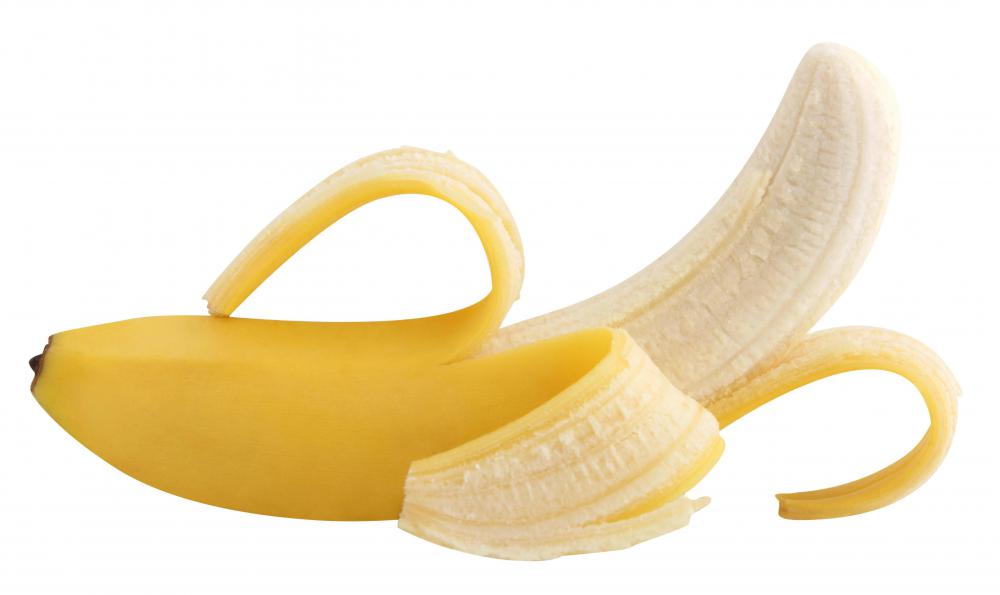
![Bananas contain a lot of soluble fiber.]() By: aris sanjayaBananas contain a lot of soluble fiber.
By: aris sanjayaBananas contain a lot of soluble fiber. -
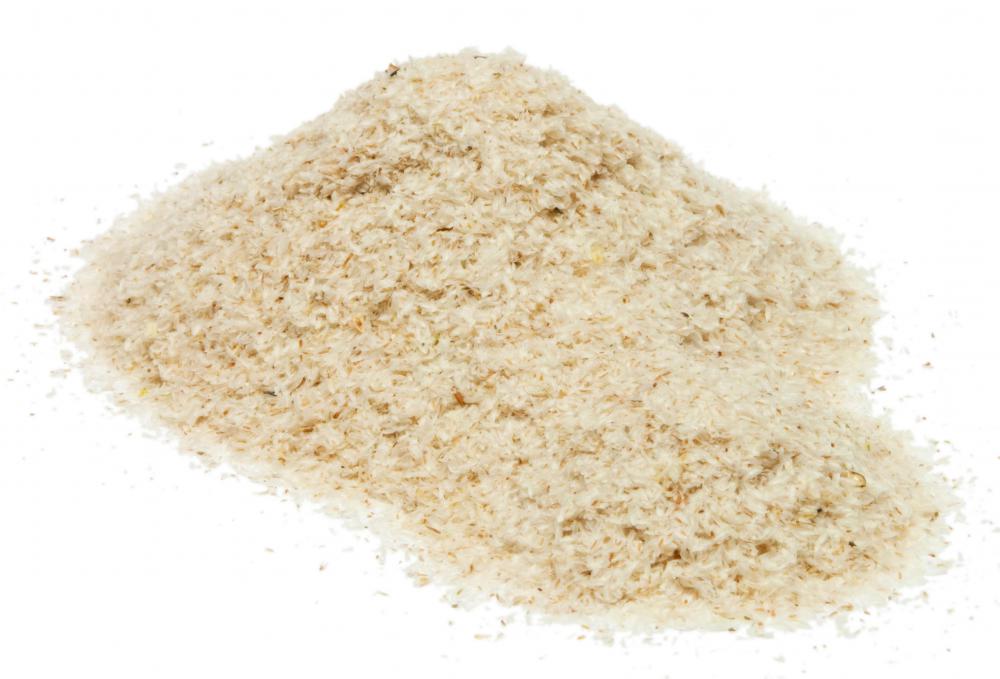
![Psyllium husk powder contains soluble fiber, which dissolves in water.]() By: Antonin SpacekPsyllium husk powder contains soluble fiber, which dissolves in water.
By: Antonin SpacekPsyllium husk powder contains soluble fiber, which dissolves in water. -
![Whole grain breads contain insoluble fiber.]() By: IrochkaWhole grain breads contain insoluble fiber.
By: IrochkaWhole grain breads contain insoluble fiber.


Discussion Comments
This helped me do a school assignment. I would recommend this to anyone who may be looking up the difference between soluble fiber and insoluble fiber. I know it did a great deal of explaining it to me!
In IBS, soluble fiber soothes the digestive tract whereas insoluble fiber is a stimulant/irritant. When consuming insoluble fiber be sure to take some soluble fiber as well. Excessive amounts of insoluble fiber could lead to IBS hell. The soluble fiber supplement psyllium contains mucilage that soothes and heals the large intestine.
Which fiber is best to limit when it comes to ibs? I have heard that if you suffer from intestinal disorders one on them is more likely to cause irritation with gas and cramping and/or constipation? I just want to be regular w/o pain and discomfort!!! Any suggestions?
Further to my comment, I fully agree that too much insoluble Fiber IDF, will sweep away important minerals, at the same time late intake of IDF is a redundant act, so USFDA must set a maximum limit on IDF, and set a minimum limit on SDF, since taking any amounts of SDF is beneficial according to WHO/FAO ADI unlimited, I think the consumer deserve to be aware of this rather than mislead him by saying take 25g of fiber everyday?
I think it is high time that USFDA specify a limit on both soluble Dietary Fibers (SDF) and Insoluble (IDF)
That is very true. I know some people who use insoluble fiber products, but tend to use them shortly before bedtime. This allows their bodies some time to absorb nutrients from the foods they consume during the day.
While most people, especially Americans, I believe are said to not get enough fiber in their diet, too much fiber, specifically insoluble fiber can sweep the system too quickly of necessary vitamins and minerals before the system has had time to absorb them.
Post your comments