
At TheHealthBoard, we're committed to delivering accurate, trustworthy information. Our expert-authored content is rigorously fact-checked and sourced from credible authorities. Discover how we uphold the highest standards in providing you with reliable knowledge.
What Is the Difference between Reflexology and Acupressure?
 Mary McMahon
Mary McMahon
Mary McMahon
Acupressure and reflexology are both bodywork techniques which involve applying pressure to specific points on the body for the purpose of addressing health complaints, but these techniques are radically different. Acupressure involves the whole body, and it has thousands of years of tradition in Asia behind it, while reflexology involves primarily the feet, and it was developed in the 20th century.
Acupressure relies on the principles of Traditional Chinese Medicine (TCM). While practitioners in the West may offer acupressure independently as a form of therapeutic bodywork, traditionally in Asia it is offered as part of an array of options, combined with prescriptions for herbs and consultations about diet and lifestyle. Practitioners of acupressure believe that by targeting specific points on the body, they are encouraging the flow of chi, or life force; since health conditions are supposed to be caused by an imbalance of chi, acupressure is used to correct that imbalance to make the patient feel better.

Reflexology is believed to date back to ancient Egypt. Hieroglyphics reveal that medical practitioners worked on hands and feet of patients as a treatment. Modern reflexology was first used by Dr. William Fitzgerald, Dr.Shelby Riley and Dr. Eunice D. Ingham in the early 1900s. Dr. William Fitzgerald realized through his practice as an Ear, Nose and Throat Specialist that applying pressure on specific zones and points reduced pain and helped treat underlying conditions. Dr. Shelby Riley expanded on this work and Dr. Eunice D. Ingham developed the theory that reflex points on the feet correlate to specific organs of the body. Modern practitioners of reflexology apply these findings in manipulation of the feet, and to a lesser degree, the hands and ears, to improve health.

From the point of view of the client, acupressure and reflexology may appear very similar. However, from the point of view of the practitioner, the techniques are quite different. Both are rooted in Asian tradition. However, reflexology practitioners tap into the flow of chi by manipulating the feet whereas in reflexology, pressure points are believed to improve the function of specific organs. In addition, practitioners generally work on these techniques exclusively and the pressure points in reflexology are different from those used in acupressure.

For clients who are interested in exploring non-invasive forms of bodywork, reflexology can sometimes be a good way to start. It is very relaxing, and it doesn't involve contact in any areas of the body which might feel awkward, such as the stomach. If clients like reflexology, they can also experiment with acupressure, which covers the whole body; if acupressure is performed by a TCM practitioner, the client will also receive a clinical consultation along with recommendations for herbs and other treatments to address underlying health problems. Both techniques are generally suited for all although pregnant women should consult with their doctor before undergoing either treatment.
Mary McMahon
Ever since she began contributing to the site several years ago, Mary has embraced the exciting challenge of being a TheHealthBoard researcher and writer. Mary has a liberal arts degree from Goddard College and spends her free time reading, cooking, and exploring the great outdoors.
Learn more...
Mary McMahon
Ever since she began contributing to the site several years ago, Mary has embraced the exciting challenge of being a TheHealthBoard researcher and writer. Mary has a liberal arts degree from Goddard College and spends her free time reading, cooking, and exploring the great outdoors.
Learn more...AS FEATURED ON:
AS FEATURED ON:


-
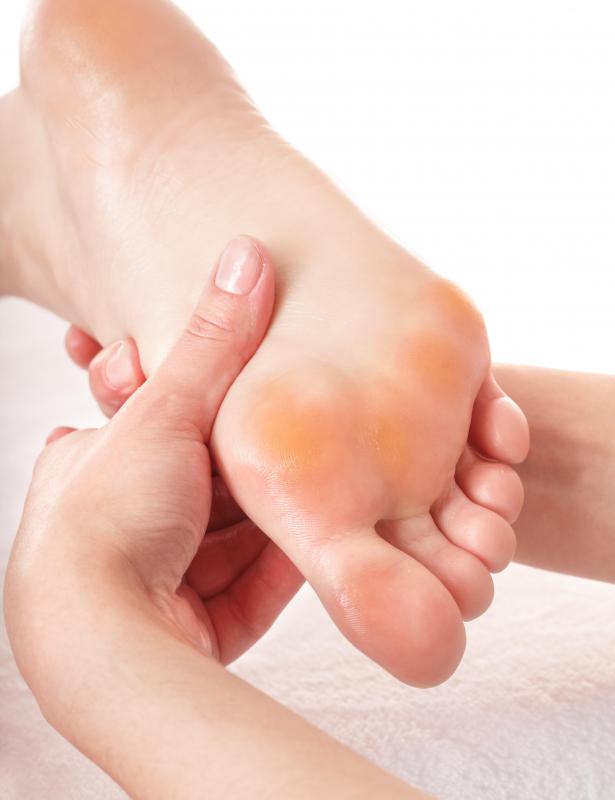
![It is believed that a reflexology massage to the foot can decrease pain and stress throughout the entire body.]() By: Mercedes FittipaldiIt is believed that a reflexology massage to the foot can decrease pain and stress throughout the entire body.
By: Mercedes FittipaldiIt is believed that a reflexology massage to the foot can decrease pain and stress throughout the entire body. -
![Acupressure utilizes the same set of points as acupuncture does along a line that runs along specific parts of the body, known as a meridian.]() By: robiuankenobiAcupressure utilizes the same set of points as acupuncture does along a line that runs along specific parts of the body, known as a meridian.
By: robiuankenobiAcupressure utilizes the same set of points as acupuncture does along a line that runs along specific parts of the body, known as a meridian. -
![Reflexology is considered a non-invasive form of bodywork.]() By: Gennadiy PoznyakovReflexology is considered a non-invasive form of bodywork.
By: Gennadiy PoznyakovReflexology is considered a non-invasive form of bodywork. -
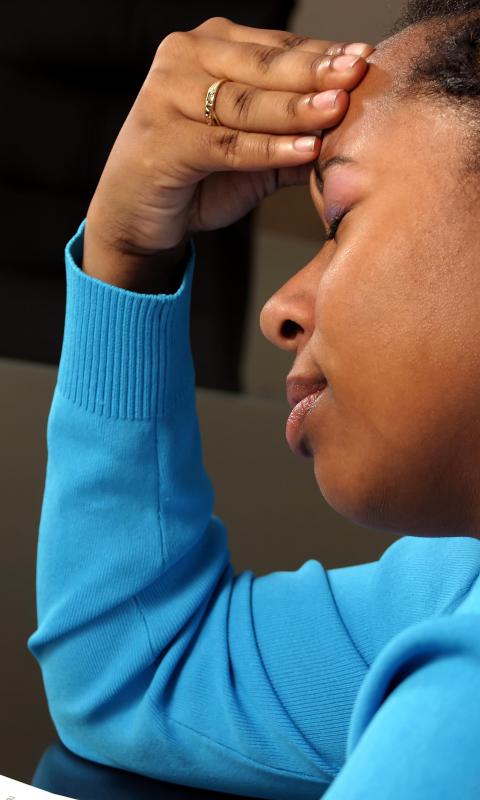
![Reflexology can be used to treat migraines.]() By: Jamie WilsonReflexology can be used to treat migraines.
By: Jamie WilsonReflexology can be used to treat migraines. -
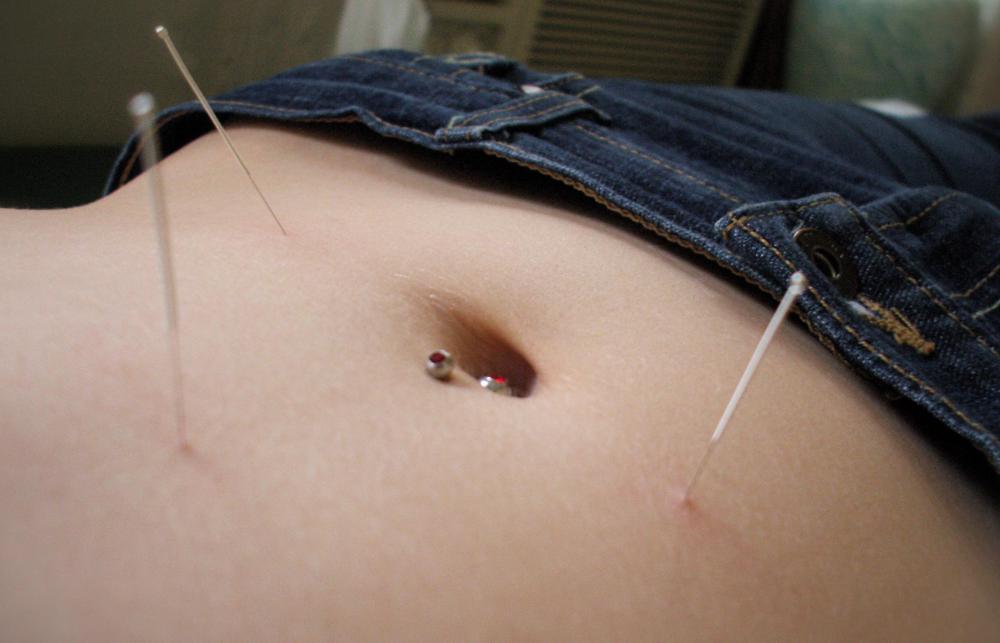
![Acupressure is similar to acupuncture but uses no needles.]() By: jedi-masterAcupressure is similar to acupuncture but uses no needles.
By: jedi-masterAcupressure is similar to acupuncture but uses no needles. -
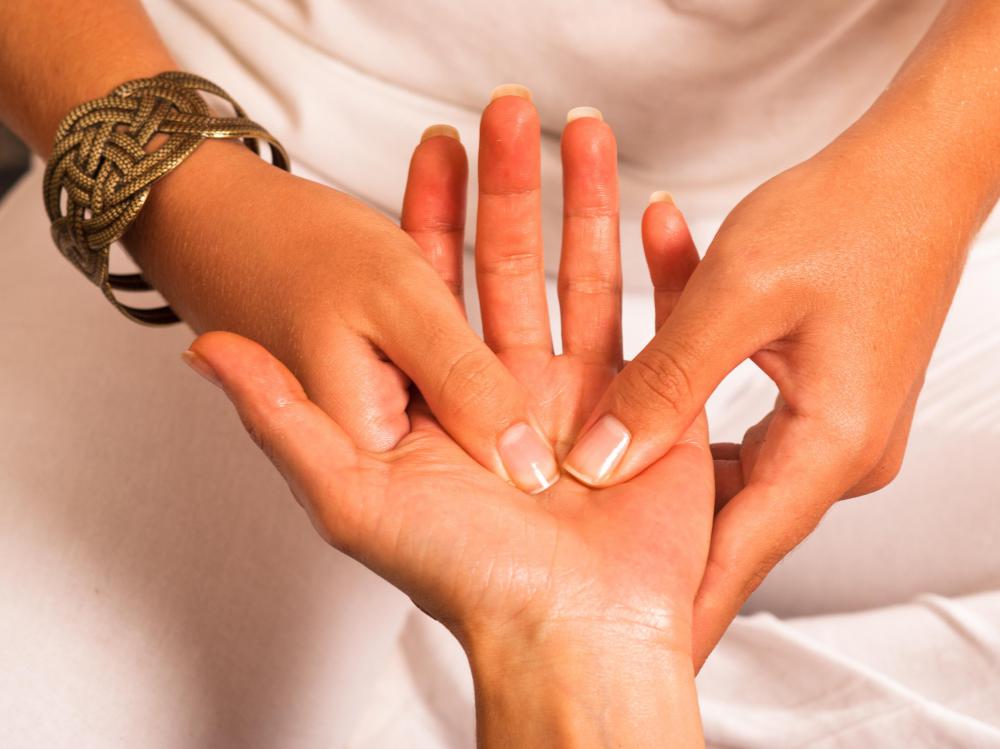
![Pressure points may be found on the hands and can correspond to different organs.]() By: HemeroskopionPressure points may be found on the hands and can correspond to different organs.
By: HemeroskopionPressure points may be found on the hands and can correspond to different organs. -
![Acupressure relies on the principles of Traditional Chinese Medicine.]() By: Leah-Anne ThompsonAcupressure relies on the principles of Traditional Chinese Medicine.
By: Leah-Anne ThompsonAcupressure relies on the principles of Traditional Chinese Medicine. -
![Acupressure and acupuncture use the concept of a meridian to locate and treat issues throughout the body, while reflexology focuses only on the feet.]() By: nextrecordAcupressure and acupuncture use the concept of a meridian to locate and treat issues throughout the body, while reflexology focuses only on the feet.
By: nextrecordAcupressure and acupuncture use the concept of a meridian to locate and treat issues throughout the body, while reflexology focuses only on the feet.




Discussion Comments
Reflexology dates back over 5000 years to Egypt, Thailand and India. Dr. William Fitzgerald began using Reflexology for anaesthetic purposes in 1910, and then Eunice Ingham (the mother of Reflexology) introduced it to the western medical community in 1970. Reflexology also involves the whole body by practicing on the reflex points on the feet, hands, face and ears. If you are interested in Reflexology, talk to a reflexology practitioner for more information.
I have suffered from migraines for years and tried about every medications and alternative treatment out there. Reflexology was my last attempt. I really didn't know if it was all hype, or if it would actually work, but it did. I have fewer migraines now, and when I do get one, it doesn't last as long.
My family doctor told me it was fine to continue with the reflexology as long as long as it helps.
How strange. I actually prefer acupressure treatments over reflexology treatments. The reflexology pressure points don't really do it for me. I mean, it's an awesome foot or hand massage, but it doesn't have any long-lasting effects for me.
On the other hand, an hour-long acupressure session feels great and afterwards I don't have any pain in my left elbow, my problem area, for weeks and weeks. I guess some of us take better to reflexology than acupressure and vice versa.
Me too! I have had hand reflexology services performed at least a dozen times for my migraine headache problem. Recently, I decided to have whole-body acupressure treatments instead. Well, I have to say that I felt really relaxed throughout the treatment, but when it was over the effects of it started to fade immediately.
I suffered from fibromyalgia for almost 7 years so I have had several reflexology and acupressure treatments. The pressure points are completely different and the techniques can vary widely according to the practitioner.
While they were both beneficial to my condition, I found that reflexology had the greater impact on my health. As weird as this may sound, I found that if a smaller area of my body was manipulated a larger area of my body found more, longer-lasting pain relief.
Post your comments