
At WiseGEEK, we're committed to delivering accurate, trustworthy information. Our expert-authored content is rigorously fact-checked and sourced from credible authorities. Discover how we uphold the highest standards in providing you with reliable knowledge.
What Is the Difference between Garden Tillers and Cultivators?
The biggest difference between garden tillers and cultivators is usually size, with cultivators typically being a bit larger than tillers and used to aerate larger swaths of land as a consequence. In most cases, the term "cultivator" is used to describe is a relatively large piece of farm equipment designed to prepare fields for planting and help control the growth of weeds between rows of crops. A garden tiller accomplishes the same task but on a smaller scale. Confusion often arises due to manufacture labeling, and many companies use the terms interchangeably, especially when it comes to motorized equipment. Engine-powered tillers are often considered cultivators, and some hand tools used by small-scale gardeners also carry the cultivator name. The difference is often anecdotal, and in many instances the terms are synonymous.
Understanding the Tools Generally

Both garden tillers and cultivators are rotary tools used to aerate and stir soil in gardens, on farms, or in other agricultural endeavors. Regular aeration is usually important to promote plant growth and proper water penetration, among other things, and loosening the soil makes it much easier to remove menace plants and weeds that might otherwise take the nutrients intended for the crop. Whether a piece of equipment is called a garden tiller or a cultivator is largely dependent on the manufacturer. Both are involved in the process of killing weeds, digging furrows, and aerating the soil, and they can be used in small gardens or large farms. Tillers and cultivators both range widely in size, from small hand-operated tools to large gasoline-powered tractors, although larger equipment tends to bear the cultivator name.
Main Characteristics

Garden tillers and cultivators usually have between one and five long or short, curved or straight, pointed or flattened tines. These serve to break up the soil around plants, keeping it loose and friable. Gasoline-powered tillers and cultivators are very common, although electric tools are also available. Most garden tillers are designed to be pushed by a user walking behind it; the engine turns the tines, making it easier to break up compact soil. Larger garden tillers and cultivators are often made to be attached to a tractor, and do not have their own power source.
Engine Positioning

The tools are often categorized by where the engine sits in relation to the tines. A front-tine tiller, in which the tines sit slightly ahead of the engine, are some of the most popular. The user must push the tiller forward, and maneuver the tines into the ground, so this type of device can be more difficult to use. Some front-tine tillers are as small as 8 inches (about 20.32 cm) in diameter, however, and will fit between rows of growing plants. Care usually must be taken to not to go so deep as to damage the roots.

Mid-tine tillers, which are often grouped with front-tines, have the engine positioned over the tines. These are often considered easier to use than front-tine tillers, since they are propelled by the tines. They're also often more expensive than front-tine tillers.
Rear-tine models tend to be larger and more complicated than other types. They are often more powerful, and have wheels separate from the tines that pull the machine forward. In most cases they’re relatively easy to use, and good for hard-packed ground.
Hand Tool Inclusions
Some small hand tools are also called cultivators. These tools consist of a series of three or four spiked rotary heads connected to a long pole. The small size of these cultivators make them ideal for use in between rows of plants. These tools are also easier to control than gasoline-powered tillers or cultivators, which could damage plants. Hand cultivators often require more strength and effort to use, however, and are best in relatively small areas.
AS FEATURED ON:
AS FEATURED ON:









-
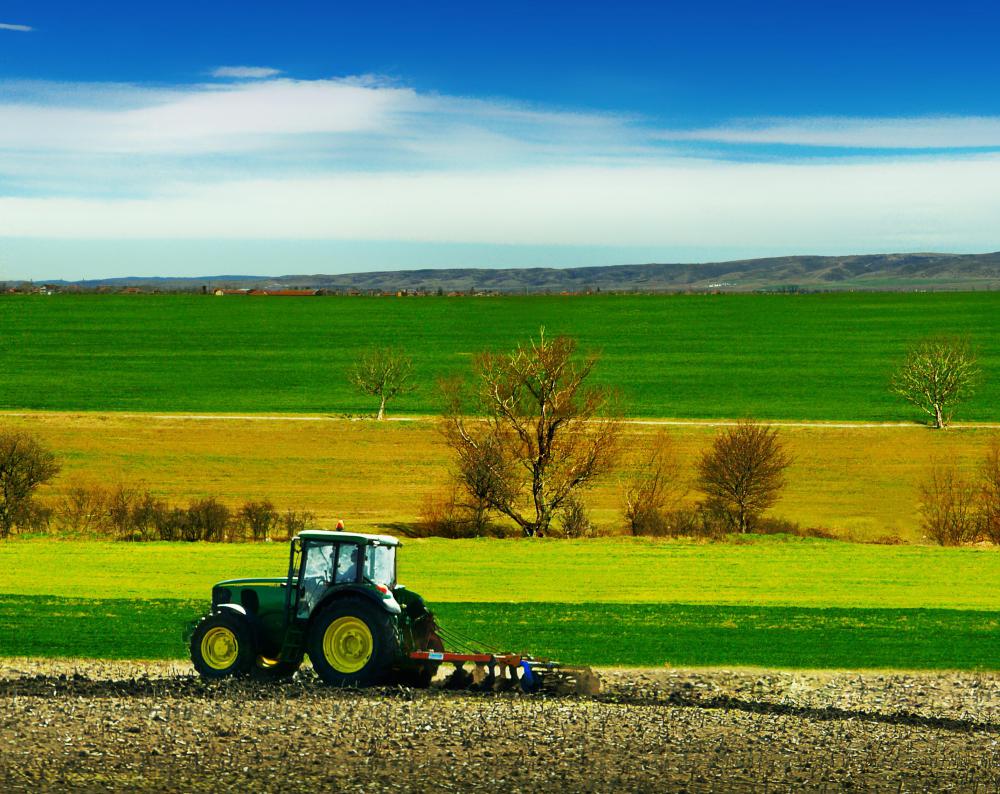
![A farmer may use a tractor to pull a cultivator.]() By: ValchoA farmer may use a tractor to pull a cultivator.
By: ValchoA farmer may use a tractor to pull a cultivator. -
![Front tine garden tillers and other similar models are considered small cultivators.]() By: Dmitry VereshchaginFront tine garden tillers and other similar models are considered small cultivators.
By: Dmitry VereshchaginFront tine garden tillers and other similar models are considered small cultivators. -
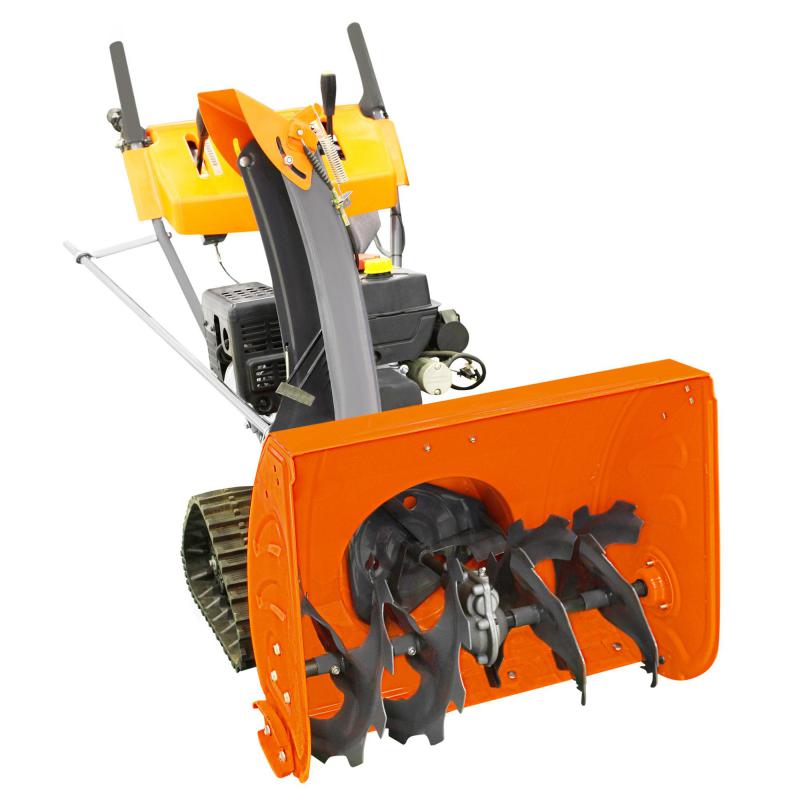
![Rear-tine tillers, which have cutting blades mounted behind the tires, tend to be the largest model of garden tillers.]() By: IvanovRear-tine tillers, which have cutting blades mounted behind the tires, tend to be the largest model of garden tillers.
By: IvanovRear-tine tillers, which have cutting blades mounted behind the tires, tend to be the largest model of garden tillers. -
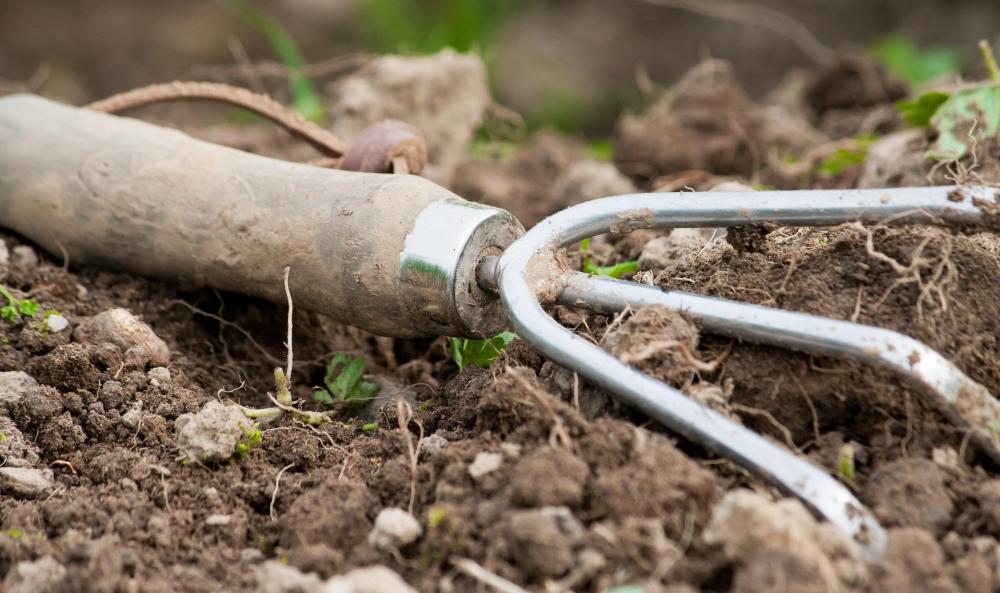
![Hand cultivators can be used to work the soil in preparation for planting in small gardens.]() By: johnbraidHand cultivators can be used to work the soil in preparation for planting in small gardens.
By: johnbraidHand cultivators can be used to work the soil in preparation for planting in small gardens.

Discussion Comments
@talentryto- A slower pace does help to keep the rows straighter when using a tiller, especially if the soil is firm. It is also important not to force the tiller one way or another. Guide it, but let it do the job for the best results.
I started using a mini garden tiller last season when I expanded my garden. A shovel would not longer do. I have found that the best tip for creating straight, even lines with a tiller is to place it at a slower speek setting. Though you may feel like you want to get the job done faster, you will end up with crooked lines if you don't take your time.
Post your comments