
At DelightedCooking, we're committed to delivering accurate, trustworthy information. Our expert-authored content is rigorously fact-checked and sourced from credible authorities. Discover how we uphold the highest standards in providing you with reliable knowledge.
What is the Difference Between Eating Apples and Cooking Apples?
 Jessica Ellis
Jessica Ellis
Jessica Ellis
With more than 7,000 varieties of apples known to exist, it is no wonder they are often classified into smaller groups. Eating apples and cooking apples divide the common varieties according to several factors, including their size, sweetness, and texture. Other types may be considered multi-use or all-purpose apples.
For some people, the true herald of autumn is fresh apples appearing in farmer’s markets and stores. All kinds of apples appear around August or September, and remain in season for about two months. Eating apples tend to be large, with a high sugar content. Many people find that they taste best raw.

One variety often marketed for eating is the relatively bland Red Delicious, familiar because of its bright red color. There are dozens of other good eating apples, and most are far more flavorful than this lunchbox standard. Gala and Fuji apples are now regular features at many grocery stores, and are delicious when ripe. At farmer’s markets or specialty stores, shoppers may find the flavorful Winesap, delicate Pink Lady, or the one of the sweetest of eating apples, Golden Delicious.

The main difference between eating apples and cooking apples is their sugar content, with cooking apples tending to be tarter and also better for storage. The Gravenstein apple is harvested early, and is considered by many to be the best apple for cooking pies and tarts. With its pale green color with distinctive red striping, these apples were long the source of fortune for many Northern Californian farmers, who had the perfect climate for growing the fruit. The variety has been supplanted by the bright green Granny Smith as the premier cooking apple, but many experts believe this to be due to how easily Granny Smith apples are produced, rather than superior taste. Gravenstein apples are harvested usually in late August, so people who them may want to stock up.

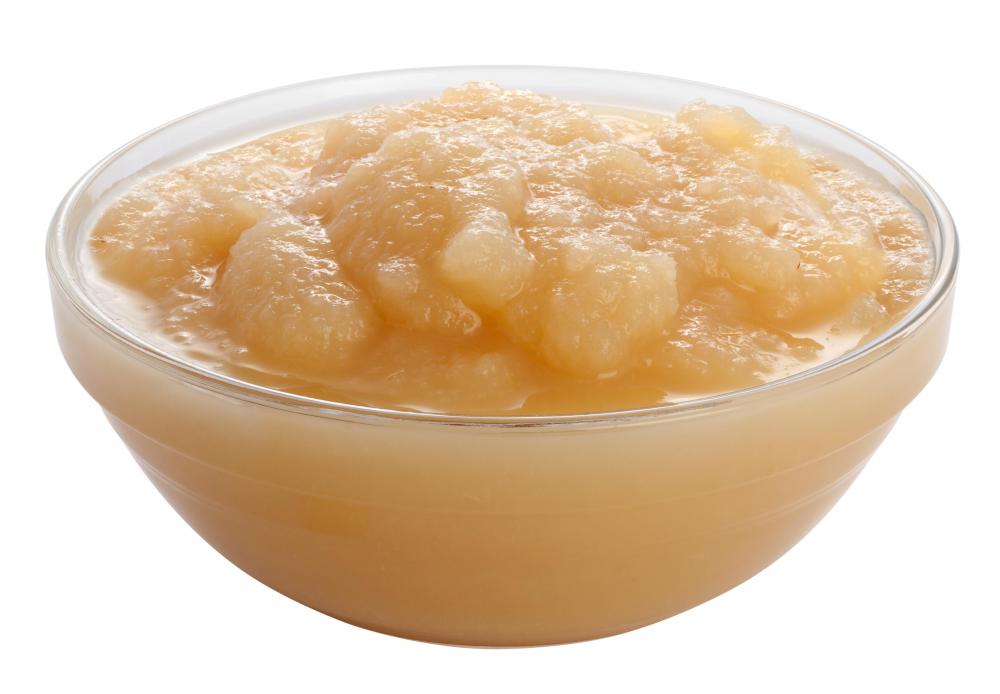
Other cooking apples are considered better for cooked-down recipes, such as applesauce, where the apple does not need to retain its shape. McIntosh, Jonathan, and Jonagold varieties are all considered good for applesauce, while Honeycrisp, Crimson King, and Katy types are often used for juicing or making cider. For baked apples, which need to retain their shape, Braeburn, Empire, and Rome apples are all excellent choices.

Eating apples and cooking apples can be substituted for one another, if necessary. If using a cooking apple in place of an eating one, people should be aware that the apple will probably be quite tart. Cooking apples can add acidity to salads or snacks, and as such are delicious with creamy ingredients such as goat cheese or Brie. Eating apples can easily be used in pies or for other cooking, but cooks should lower the amount of any added sugar, as the apples will make up for it. People who want to baked eating apples should choose those that will retain their shape when cooked.
Jessica Ellis
With a B.A. in theater from UCLA and a graduate degree in screenwriting from the American Film Institute, Jessica is passionate about drama and film. She has many other interests, and enjoys learning and writing about a wide range of topics in her role as a DelightedCooking writer.
Learn more...
Jessica Ellis
With a B.A. in theater from UCLA and a graduate degree in screenwriting from the American Film Institute, Jessica is passionate about drama and film. She has many other interests, and enjoys learning and writing about a wide range of topics in her role as a DelightedCooking writer.
Learn more...AS FEATURED ON:
AS FEATURED ON:


-
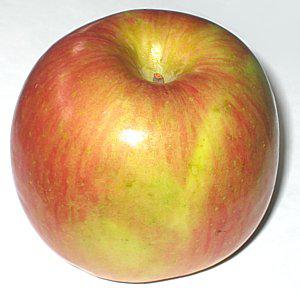
![A fuji apple is a particularly sweet and crisp eating apple.]()
A fuji apple is a particularly sweet and crisp eating apple. -
![Applesauce.]() By: rimglowApplesauce.
By: rimglowApplesauce. -
![Green, red, and yellow apples.]() By: tesgroGreen, red, and yellow apples.
By: tesgroGreen, red, and yellow apples. -
![Granny Smith apples work well for baking.]() By: xiangdong LiGranny Smith apples work well for baking.
By: xiangdong LiGranny Smith apples work well for baking. -
![Red Delicious apples are sweet and popular for eating.]() By: denphumiRed Delicious apples are sweet and popular for eating.
By: denphumiRed Delicious apples are sweet and popular for eating. -
![Golden Delicious apples are eating apples.]() By: volffGolden Delicious apples are eating apples.
By: volffGolden Delicious apples are eating apples. -
![Gala apples are often eaten, but usually aren't used for cooking.]() By: TristanBMGala apples are often eaten, but usually aren't used for cooking.
By: TristanBMGala apples are often eaten, but usually aren't used for cooking. -
![A Honeycrisp apple.]() By: robert lerichA Honeycrisp apple.
By: robert lerichA Honeycrisp apple. -
![Rare apple varieties like the Winesap may be found at farmer's markets.]() By: WavebreakmediaMicroRare apple varieties like the Winesap may be found at farmer's markets.
By: WavebreakmediaMicroRare apple varieties like the Winesap may be found at farmer's markets. -
![Most varieties of green apples tend to be better for baking.]() By: Malyshchyts ViktarMost varieties of green apples tend to be better for baking.
By: Malyshchyts ViktarMost varieties of green apples tend to be better for baking. -
![The fruit used to make an apple pie should be tart and firm to the touch.]() By: CandyBox ImagesThe fruit used to make an apple pie should be tart and firm to the touch.
By: CandyBox ImagesThe fruit used to make an apple pie should be tart and firm to the touch.


Discussion Comments
I have only had cameo apples but I would like to try more.
I know many people only use Jonathan apples for baking, but I love to eat them anytime. I love their perfect combination of tart sweetness. We can only get them in the fall where I live, so Ialways try to stock up when they are available.
There is also a Jonagold apple that is a combination of Jonathan and Gold Delicious. This is not as tart as the Jonathan, but is still very good.
I love the Honeycrisp apples when I am looking for a healthy, sweet snack. They are crisp with just the right amount of sweetness.
One of the major health benefits of apples is their ability to help regulate blood sugar levels. This is really important for those who have diabetes or need to closely watch their blood sugar. It is nice to have something sweet that is also beneficial for you at the same time.
While the difference can be important when cooking with apples, most people don't care so much about the kinds of apples they eat out of hand. My dad and I both love to eat Granny Smiths by themselves, for example, because the tartness appeals to us. I recommend you try different apples you haven't had before; even if they are technically cooking apples, the taste may surprise you.
Post your comments