
At WiseGEEK, we're committed to delivering accurate, trustworthy information. Our expert-authored content is rigorously fact-checked and sourced from credible authorities. Discover how we uphold the highest standards in providing you with reliable knowledge.
What is the Difference Between a Sauna and a Steam Room?
 Mary McMahon
Mary McMahon
Mary McMahon
Saunas and steam rooms both use heat therapeutically, but they do it in different ways. Essentially, a sauna uses dry heat, while a steam room incorporates high humidity and warmth. Both open up the pores of the body, helping them to eliminate toxins through sweat, ease joint pain, improve circulation, relax bathers, and strengthen the immune system. Which one a person uses is a matter of personal preference; most people who cannot endure dry heat, for example, greatly enjoy a steam room, while people who do not enjoy the wet sensation benefit from using saunas instead.
A sauna uses a heater or a wood burning stove in an enclosed room to elevate the temperature, usually above 160°F (71°C). In a traditional dry sauna, bathers sit or lie in the room to absorb the warmth, which elevates the body's internal temperature, stimulates blood flow, and opens up the pores. After a set period of time, the bather jumps out into a cold plunge or shower, and then rests at room temperature before re-entering for another round.

Some saunas incorporate small amounts of steam, usually in the form of cold water that is sprinkled on the heater, or rocks placed on top of the stove. Often, the water is mixed with essential oils, such as lavender for relaxation or eucalyptus for easing muscle pain and killing germs. The brief burst of humidity caused by the steam makes the sauna feel more hot, and can in fact scald bathers if the room is too hot, causing the steam to boil the skin it contacts. For this reason, water is used sparingly.

A steam room is maintained at a much lower temperature, usually not more than 110°F (43°C), but the humidity is kept very high — usually around 100%. Bathers who enter are usually immediately surrounded by a cloud of vapor, and sit or lie on benches to absorb the benefits of the steam. The cooler temperature makes steam rooms more bearable for some people, and also helps asthmatics and other people suffering from breathing conditions.

Bathers using either type of therapy should immediately exit if they feel at all unwell, and they should also drink plenty of fluids. Drinking fluids helps the body to eliminate toxins through sweating and also prevents dehydration, which often causes dizziness and fainting. Individuals who are in a public sauna or steam room and notice someone feeling unwell should help him or her out and ask an attendant for assistance.
Mary McMahon
Ever since she began contributing to the site several years ago, Mary has embraced the exciting challenge of being a WiseGEEK researcher and writer. Mary has a liberal arts degree from Goddard College and spends her free time reading, cooking, and exploring the great outdoors.
Learn more...
Mary McMahon
Ever since she began contributing to the site several years ago, Mary has embraced the exciting challenge of being a WiseGEEK researcher and writer. Mary has a liberal arts degree from Goddard College and spends her free time reading, cooking, and exploring the great outdoors.
Learn more...AS FEATURED ON:
AS FEATURED ON:









-
![Steam rooms use humidity to help buildup heat.]() By: omicronSteam rooms use humidity to help buildup heat.
By: omicronSteam rooms use humidity to help buildup heat. -
![Eucalyptus oil can be sprinkled on a sauna's heater to help ease muscle pain.]() By: HemeroskopionEucalyptus oil can be sprinkled on a sauna's heater to help ease muscle pain.
By: HemeroskopionEucalyptus oil can be sprinkled on a sauna's heater to help ease muscle pain. -
![It is important to drink plenty of fluids after using a sauna or steam room.]() By: AllianceIt is important to drink plenty of fluids after using a sauna or steam room.
By: AllianceIt is important to drink plenty of fluids after using a sauna or steam room. -
![Dehydration often causes dizziness.]() By: javyDehydration often causes dizziness.
By: javyDehydration often causes dizziness. -
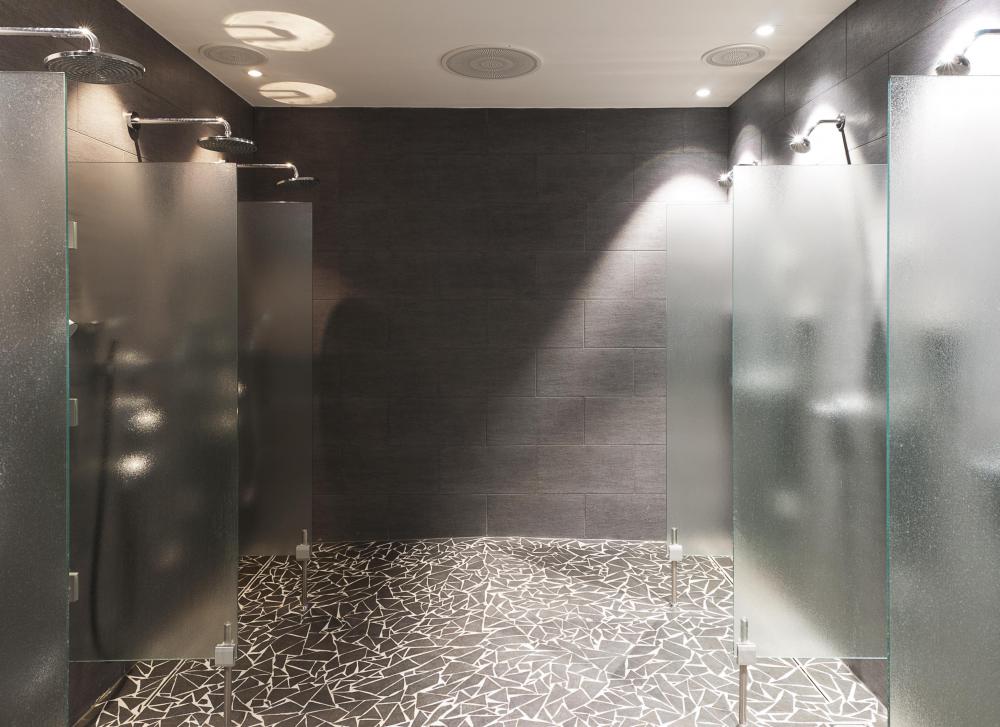
![Many facilities that offer sauna and steam room services also offer shower facilities.]() By: Andreas SchindlMany facilities that offer sauna and steam room services also offer shower facilities.
By: Andreas SchindlMany facilities that offer sauna and steam room services also offer shower facilities. -
![Saunas rely on a dry heat, and may be more tolerable for some people than steam rooms.]() By: Minerva StudioSaunas rely on a dry heat, and may be more tolerable for some people than steam rooms.
By: Minerva StudioSaunas rely on a dry heat, and may be more tolerable for some people than steam rooms.



Discussion Comments
In my opinion, an infrared sauna is more comfortable and safer.
From personal experience, I would say a trip to the sauna is often much more involved than one to a steam room. While on a trip to Russia a number of years ago, I visited a sauna where the experience was much like what's described in this article. I went between sauna and freezing bath a number of times, and while in the sauna, a concoction of water, eucalyptus, vanilla, and, of all things, beer, was sprinkled over the heater.
I find saunas to be the most refreshing but many people like steam rooms, especially those with breathing problems. I personally like the feeling of coming out of a sauna and taking a shower. I have found though, that either one helps me when I am sick.
Post your comments