
At TheHealthBoard, we're committed to delivering accurate, trustworthy information. Our expert-authored content is rigorously fact-checked and sourced from credible authorities. Discover how we uphold the highest standards in providing you with reliable knowledge.
Cottage Cheese Diet Explained: Unlock the Benefits for Weight Loss & Health
 Editorial Team
Editorial Team
Editorial Team

Embarking on a weight loss journey can be daunting, but the cottage cheese diet has emerged as a popular method for those seeking swift results. According to a study, high-protein diets like the one centered around cottage cheese can lead to greater satiety and reduced calorie intake. While the diet claims an average weight loss of five pounds in five days, it's crucial to note that individual results may vary, as highlighted by the Mayo Clinic's emphasis on personalized nutrition and exercise. The cottage cheese diet's core principle involves incorporating this protein-rich food into your meals, complemented by a variety of fruits, vegetables, and spices, to create a balanced approach to weight loss.

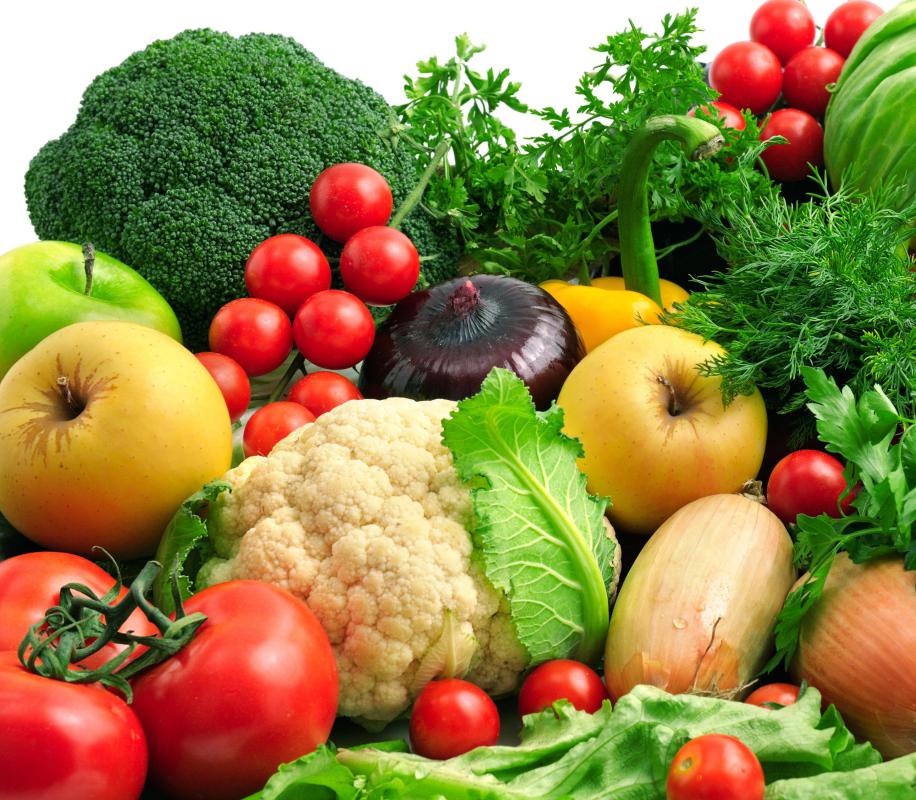
Overall, the diet recommends that natural, non-processed foods — such as eggs, tomatoes, cucumbers, apples, greens, and spices — are added to each meal with cottage cheese. Dieters can also have a small amount of whole grains to round out the nutritional content of the cottage cheese eating plan. It is advised that people on the diet avoid soft drinks, coffee, and alcohol — drinking only mineral water for the duration of the diet to aid in weight loss efficacy. All other processed foods should be eliminated in order to maximize the effectiveness of the cottage cheese diet.

Cottage cheese typically is an easy-to-digest, low-fat, low-carbohydrate food. Its low sugar, calories, and high-protein content make it a relatively filling food that can help dieters achieve a leaner look with less water retention or bloating. Made from cheese curds, it is one of the lower-fat dairy product options and it contains plenty of calcium. Nutritionally speaking, cottage cheese is a healthy food to include in any well-balanced diet.

Dieters on the plan typically have enough nutritional options to provide the energy to exercise and remain physically energized, but it is unlikely that one can maintain the cottage cheese diet as a long-term lifestyle. The challenge with the cottage cheese diet is that it is extremely limiting, making it difficult for dieters to adhere to for any significant period of time. Additionally, the diet does not contain a wide enough variety of healthy foods for a nutritionally sound lifestyle. Aside from the limitations, its benefits to dieters can be in an overall retraining of eating behaviors, such as understanding portion control and the importance of eating several small meals throughout the day instead of a few large ones.
Can You Freeze Cottage Cheese?

If you live alone or with people who do not enjoy the same food as you, you may find yourself going through certain food items very slowly. Fresh meat, produce, and dairy products tend to go bad quickly, and nobody likes to see the food they have purchased go to waste. Typically staying good for only five to seven days after opening, cottage cheese tends to be one of those foods thrown away far too often before being consumed. One way to preserve foods for a more extended period of time is to freeze them. But will cottage cheese still be good after freezing?

The short answer is yes, you can definitely freeze cottage cheese. This dairy product can stay fresh in the freezer for anywhere from three to six months. However, keep in mind that the texture and taste may change slightly after it has been frozen and unthawed. If you find that the new texture is too objectionable to be eaten plain, consider putting the cottage cheese in baked goods like cheesecakes or cooked dishes such as lasagna or manicotti. Unthawed cottage cheese lends itself especially well to those Italian dishes because the texture tends to become more similar to ricotta cheese, which is often used in pasta dishes.

If you cannot consume your opened cottage cheese within the recommended freshness window and are open to using the product in other meals, you should consider freezing the item. Keep in mind that cottage cheese will take around two to four hours to unthaw on the counter, depending on the quantity.
How Many Calories in Cottage Cheese?
Cottage cheese has a relatively low calorie content compared to most dairy products, especially other cheeses. The average cup of cottage cheese comes in at around 200 calories per cup. However, the exact count depends on which type of cottage cheese you purchase. There are full-fat, low-fat, and non-fat varieties whose calorie count may vary depending on the fat content. Nutritional values can also vary a small amount between small-curd and large-curd types of cottage cheese. Either way, cottage cheese has a good percentage of protein per serving, making this a healthy selection for people wanting to get more lean protein in their diets.
Foods with similar nutritional contents to cottage cheese include:
- Greek yogurt, a variety of yogurt made in a way that gives it a higher protein content and thicker consistency than traditional types of yogurt
- Tofu, a versatile protein source low in fat for those eating a plant-based diet
- Egg whites, a low-calorie excellent source of protein that can be used in a wide variety of dishes
Cottage cheese comes with a high protein count per number of calories. Protein helps people stay fuller compared to simple carbs like candy, chips, and most breads. Because of this, cottage cheese is a great option for people looking to eat less, lose weight, or include more sources of lean protein in their diets. For a quick, healthy snack that includes even more vitamins and nutrients, consider adding fruits such as strawberries, apples, or raspberries to your serving of cottage cheese.
What Does Cottage Cheese Taste Like?
Cottage cheese is a rather unique type of cheese in that it is very soft and can be easily eaten with a spoon when cold. This cheese consists of either large or small curds that may be off-putting to those not accustomed to foods with this type of texture. However, the salty and creamy taste of the dish often wins over even the most skeptical people. Many people think that cottage cheese has a very similar taste to ricotta cheese, which is popular in pasta dishes as well as some desserts. As a result, cottage cheese can easily be made into either a savory or a sweet dish, depending on your mood and dinner plans. Some ideas include:
- Drizzling a bit of honey or maple syrup on your cottage cheese
- Adding walnuts, pecans, pistachios, or other nuts to your cottage cheese
- Sprinkling your dish with a bit of salt, pepper, and olive oil for a simple yet savory taste
- Eating cottage cheese with tortilla chips or vegetables such as cucumber or celery for added crunch
Although cottage cheese does have a distinct flavor, it is easily adaptable and can be made into a wide variety of sweet and savory dishes. Because of this, it may be used as a healthy replacement for dairy products like cream cheese and sour cream in cooking and baking.
How Much Cottage Cheese Should I Eat a Day?
Too much of a good thing is never good. That can apply to anything, including cottage cheese. When considering weight loss, it's wise to keep a few things in mind. First and foremost, you need to eat a balanced diet. You must also incorporate physical activity into your lifestyle.
What Is a Balanced Diet?
You've heard that you should eat a balanced diet, but what exactly does that mean? Each person's nutritional needs are different, but we all need the same basic kinds of nutrients. The "Healthy Eating Plate" system uses a single plate to visually illustrate what to eat and how much. You can use these guidelines for designing healthy and balanced meals:
- Vegetables and fruits: 1/2 plate
- Whole grains: 1/4 plate
- Protein: 1/4 plate
Healthy fats should be eaten in moderation: plant-based oils such as olive, coconut and avocado oils. Fish and flax oils are also smart choices due to their omega-3 content. Current recommendations limit dairy to one or two servings each day.
How Much Physical Activity Do We Need?
Regular physical activity is essential to our health. Many people exercise with the goal of losing weight. Yet physical fitness offers several benefits beyond weight management: increasing muscular strength, boosting one's energy, improving mental health and developing cardiovascular system efficiency.
The Centers for Disease Control and Prevention suggests 150 minutes of moderate activity for adults every week. Many of us can achieve this goal by doing 30 minutes sessions for five days. The easiest place to start is with activities you love. And if you're not sure what activity works best for you, keep trying new ones. You may discover that you despise treadmills but excel at volleyball. Finding a physical activity you enjoy can help you stay motivated.
How Much Weight Can You Lose on Cottage Cheese Diet?
People go on diets with the primary goal of losing weight. Unfortunately, many fad diets do not conform to healthy eating guidelines. The most notorious ones, like the Scarsdale and grapefruit diets, omit nutrients that the body needs to function. The jury's out others such as the Atkins and paleo diets.
Given this information, you may question whether dieting works at all. There's very little evidence that it results in long-term weight loss. You may see short-term results, but the deck is stacked against you. It's not your fault — your body's metabolism slows down once you start losing weight. And when the weight's finally off, you can regain it after you stop your diet.
Does the Cottage Cheese Diet Work?
The cottage cheese diet may result in short-term weight loss. However, eating this way long-term is neither healthy nor sustainable. Such a diet lacks the variety and overall nutrients needed to stay healthy. With any restrictive eating plan like the cottage cheese diet, you end up following undesirable eating patterns for nothing.
Are There Alternatives to Dieting?
Because of the high failure rates of diets, experts now suggest a different approach: lifestyle changes. Modifying eating patterns and adding physical activity maintain overall health and fitness. You can't turn into Arnold Schwarzenegger overnight, but you can set reasonable nutrition and fitness goals. By striving toward those goals, you're taking steps to improve your quality of life.
How Can We Make Lifestyle Changes?
Setting and meeting your goals may sound easier than it actually is. Human beings tend to resist change. However, establishing SMART goals boosts your chance of success. "SMART" stands for a five-step test that you can use to evaluate your objectives:
- Specific
- Measurable
- Achievable
- Realistic
- Time-bound
Specificity means that your goal includes three key pieces of information: what to accomplish, who should do the work and the necessary steps to achieve it. For example, you may decide to eat one additional serving of vegetables each day. Measuring your progress may involve keeping a log of what you eat. Your goal must also be achievable: It's much easier to add 1/2 cup of vegetables than to go completely vegetarian right away.
Once you've determined that your objective is achievable, you should make sure that it's realistic. Again, baby steps can get you closer to an overall goal than huge leaps. If your end goal is to go vegetarian, you could do it gradually in stages. Finally, your goal should have a time commitment. Pick a start time, check your progress regularly and set a deadline for achievement.
Editorial Team
Our Editorial Team, made up of seasoned professionals, prioritizes accuracy and quality in every piece of content. With years of experience in journalism and publishing, we work diligently to deliver reliable and well-researched content to our readers.
Editorial Team
Our Editorial Team, made up of seasoned professionals, prioritizes accuracy and quality in every piece of content. With years of experience in journalism and publishing, we work diligently to deliver reliable and well-researched content to our readers. AS FEATURED ON:
AS FEATURED ON:


-
![Eggs and tomatoes may be included in the cottage cheese diet.]() By: VankadEggs and tomatoes may be included in the cottage cheese diet.
By: VankadEggs and tomatoes may be included in the cottage cheese diet. -
![Apples may be included in the cottage cheese diet.]() By: GlamyApples may be included in the cottage cheese diet.
By: GlamyApples may be included in the cottage cheese diet. -
![Soft drinks and alcohol should be avoided during the cottage cheese diet.]() By: foodcolorsSoft drinks and alcohol should be avoided during the cottage cheese diet.
By: foodcolorsSoft drinks and alcohol should be avoided during the cottage cheese diet. -
![Cottage cheese, among other whole dairy foods, can be high in LDL cholesterol.]() By: SunnySCottage cheese, among other whole dairy foods, can be high in LDL cholesterol.
By: SunnySCottage cheese, among other whole dairy foods, can be high in LDL cholesterol. -
![In addition to cottage cheese, the diet emphasizes a range of fresh, fiber-rich vegetables.]() By: Serghei VelusceacIn addition to cottage cheese, the diet emphasizes a range of fresh, fiber-rich vegetables.
By: Serghei VelusceacIn addition to cottage cheese, the diet emphasizes a range of fresh, fiber-rich vegetables. -
![The cottage cheese diets aims to promote fast weight loss.]() By: jedi-masterThe cottage cheese diets aims to promote fast weight loss.
By: jedi-masterThe cottage cheese diets aims to promote fast weight loss.



Discussion Comments
I am currently eating a diet mainly consisting of cottage cheese (I also have two healthy omelettes with veggies per day). I mix it with diced cucumber and tomato and sprinkle cracked pepper and Himalayan Pink Salt over the top and mix it up. I do this three times a day and it is so damn delicious.
I'm halfway through a body challenge and hit a brick wall, my trainer recommended this new diet for me. I love cottage cheese so I'm finding it very, very easy and very filling. I've lost just over 4.5 pounds in four days and feel the weight dropping off already. I have no issues whatsoever. It's a great diet.
I know someone who has successfully implemented this into their lifestyle. They had structured meals at specific times, all of which contained vegetables and a tiny amount of grilled meat with spices. Snacks included nuts and fruit. He ate the cottage cheese as a supper meal after dinner, followed by a cup of green tea before bed.
Coupled with regular exercise, this diet really did work wonders. I was amazed with the results. However I wouldn't recommend it to anyone who doesn't have the willpower to stick it out, or to someone who is already in a healthy weight range.
Try no sweets and no meat. Reduce your bread, potato and rice intake to half for a week, to lose 4 percent of your body weight.
I have eaten nothing but green vegetables, cottage cheese, water and hot tea (green tea mostly) for three months now and I have lost 40 pounds. It does work; you just have to have the willpower to do it and stick to it (but of course give yourself a cheat day at least once every two weeks). I make sure I take my vitamins every day, too!
This cottage cheese diet, paired with plenty of fresh fruit and vegetables, has worked for me. Average weight lost is one pound a day. I drink more water than I usually do and don't snack, except a few pistachios here and there. I say try it, but don't eat JUST cottage cheese, that would be stupid.
My daughter said that she wants to go on a four day cottage cheese crash diet, and I can't say that I'm too pleased about this.
First of all, a 4 day diet just sounds kind of silly to begin with, free diet plan or not. She's only 15, so I don't see why she needs to go on a diet anyway, especially since she's already pretty slim.
I think that it's so sad that all these girls are starting to go on these crash weight loss diet plans, especially since it just messes up your metabolism for your later life.
Although I doubt that my daughter will listen to me, I have to say this to her and any other girls reading this -- skip out on the diet menus; they won't give you what you want.
If you need to lose weight to be healthy, then follow a planned, healthy diet from a nutritionist, not something that you dig up off the internet. But most of all, be happy with your body! You don't have to torture yourself to feel good about yourself, and the sooner you learn to respect your body, the better off you'll be.
Good for you wisegeek, not endorsing such an unhealthy, extreme weight loss diet. It's really unfortunate that so many people try to torture themselves with these extreme quick diet menus, all of which are basically unsustainable long-term.
It is so hard on your body and your emotions to go through something like the cottage cheese crash diet, and it's simply not worth it when you gain all the weight back the next week.
It is a much, much better idea to focus on your diet for overall fitness, not just for weight loss. If you eat a healthy, balanced diet, exercise regularly, and get enough sleep and vitamins, you will lose weight. You just can't help it. Your body is designed to work in a certain way, and if you try to force it into doing something for which is is not designed, you're just going to end up hurting.
So guys, skip all these crash diets. Just eat a healthy diet, and you'll feel and look so much better!
Has anybody reading this actually tried the cottage cheese crash diet? I have been looking through all these quick diets for weight loss because I've got an event coming up that I have got to be 5 pounds lighter for, but I can't find anything that's working!
Does the cottage cheese diet work? Although I know this is not the healthiest thing in the world, I am not all that worried about long-term weight loss with this thing, I just need to look good for a few days, and then I can start eating a more balanced and healthy diet.
So does this one work, or do you guys have any other good, quick weight loss diet plans that I can use?
Help please!
Post your comments