
At WiseGEEK, we're committed to delivering accurate, trustworthy information. Our expert-authored content is rigorously fact-checked and sourced from credible authorities. Discover how we uphold the highest standards in providing you with reliable knowledge.
What Is the Connection between Hydrocodone and Vicodin?
Hydrocodone and Vicodin® are drugs used for pain relief, but the biggest connection between them is that hydrocodone is one of the essential ingredients in Vicodin®. Vicodin® is a branded pain relief drug manufactured by the AbbVie corporation, and is made up of both hydrocodone and acetaminophen. It’s usually really rare to find hydrocodone on its own, and it’s almost always combined with other ingredients and pain relief drugs. It’s a very strong opiate that usually needs one or more other chemicals to balance it out and make it safe for human use. Hydrocodone and, by extension, Vicodin®, are generally very effective for pain, but they also carry a number of risks. Addiction, overdose, and serious organ damage can all be consequences of prolonged use.
Primary Purpose

Both drugs are designed to alleviate pain, and they work in really similar ways — namely, by interrupting the signals in the brain that interpret and relay pain. Hydrocodone is opiate, like codeine, and has similar effects on the body as morphine. It occurs naturally but is usually synthesized in a lab in order to get consistent and safe results, dosages, and measurements.

Hydrocodone and Vicodin® are both synthesized to alleviate pain. Scientists found that combinations of acetaminophen and codeine-like drugs have a longer lasting effect on pain than codeine or other opiates alone. The pain-reducing qualities of this combination drug quickly established Vicodin® as a good medicine for pain management.
Narcotic Classifications

Both medications are considered controlled substances in many places, including the United States, but Vicodin® is a class III drug while hydrocodone is a class II narcotic. In large part this is because Vicodin® includes the non-steroidal anti-inflammatory drug (NSAID) acetaminophen. This makes Vicodin® a less potent medicine than straight hydrocodone, and its classification rating reflects this.
Possibility for Addiction

Most opiate-based drugs can be difficult to quit after long-term usage. Hydrocodone and Vicodin® are no exception. A typical person will require a weaning-off period, which is known medically as “tapering.” This helps the body manage the side effects of withdrawal that are typically associated with these drugs.
Other Side Effects and Risks
In most places both drugs are available only by prescription. This allows doctors and other care providers to control how much patients get and to tailor the dosage to the specific condition being treated. In general, either of these drugs should be the only thing patients need to control their pain, and they’re usually advised to avoid any addition pain medications — even those available over the counter. This includes aspirin, Tylenol®, and naproxen. These drugs may put additional strain on the liver, which could lead to an overdose of acetaminophen.

There are several side effects associated with hydrocodone and Vicodin®. These include dizziness, insomnia, loss of appetite, and nervousness. These effects are more acute in larger doses and are usually attributed to the opiates found in codeine. Serious side effects can include breathing problems and swelling of the mouth. Anyone who experiences these symptoms should usually stop taking the medication and get immediate medical help.

Problems can also arise for people who take large doses of either drug for prolonged periods of time. Addicts are often at particular risk here, but those who occasionally overdose or who have been taking the maximum allowed dosage for more than about a month may begin to experience a range of serious liver and kidney problems. These risks are often compounded with Vicodin® and other acetaminophen-containing drugs. If acetaminophen is taken in excess of 3,200 milligrams per day, it can cause life-threatening organ failure, which may be irreversible.
Interaction Warnings

Both drugs carry interaction warnings, which means that they shouldn't be used with any other drug or supplement without first getting clearance from a medical professional. Additionally, Vicodin® should never be taken with any alcoholic beverages. NSAIDs are difficult for the liver to process, and adding alcohol can cause premature liver failure, which can be terminal. A patient should inform his doctor if he is a habitual drinker before accepting this pain medication.
AS FEATURED ON:
AS FEATURED ON:









-
![Those with a history of narcotic drug use should only be prescribed non-opioid analgesics.]() By: evgenyatamanenkoThose with a history of narcotic drug use should only be prescribed non-opioid analgesics.
By: evgenyatamanenkoThose with a history of narcotic drug use should only be prescribed non-opioid analgesics. -
![Vicodin should never be combined with alcohol.]() By: lacamerachiaraVicodin should never be combined with alcohol.
By: lacamerachiaraVicodin should never be combined with alcohol. -
![Hydrocodone and Vicodin® should not be taken with over-the-counter pain relievers like Tylenol®.]() By: Radosław BrzozoHydrocodone and Vicodin® should not be taken with over-the-counter pain relievers like Tylenol®.
By: Radosław BrzozoHydrocodone and Vicodin® should not be taken with over-the-counter pain relievers like Tylenol®. -
![Hydrocodone can be found in some brands of cough medicine.]() By: ognianmedHydrocodone can be found in some brands of cough medicine.
By: ognianmedHydrocodone can be found in some brands of cough medicine. -
![All opiate painkillers—whether legal or illicit—are highly addictive drugs.]() By: goodmanphotoAll opiate painkillers—whether legal or illicit—are highly addictive drugs.
By: goodmanphotoAll opiate painkillers—whether legal or illicit—are highly addictive drugs. -
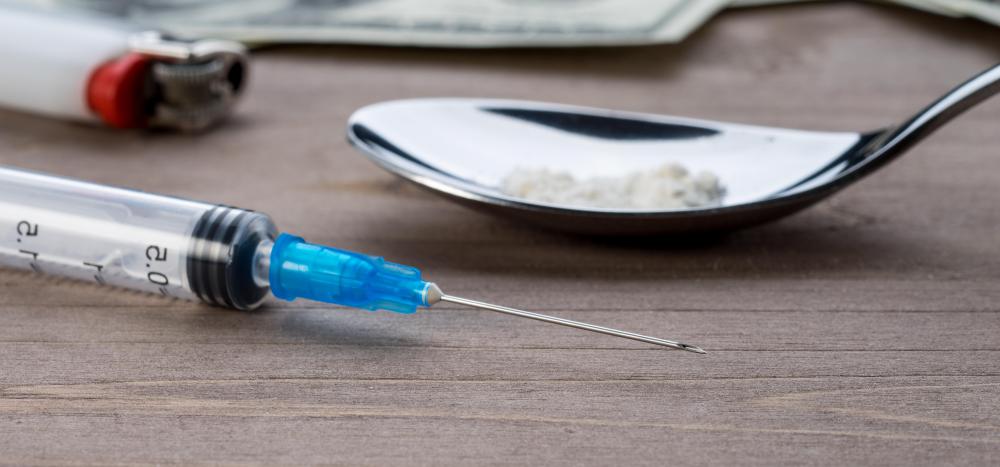
![People who abuse hydrocodone sometimes crush the pills and inject the powder.]() By: gawriloffPeople who abuse hydrocodone sometimes crush the pills and inject the powder.
By: gawriloffPeople who abuse hydrocodone sometimes crush the pills and inject the powder. -
![Side effects of hydrocodone and vicodin may include insomnia.]() By: tiplyashinaSide effects of hydrocodone and vicodin may include insomnia.
By: tiplyashinaSide effects of hydrocodone and vicodin may include insomnia. -
![A person who is taking hydrocodone or Vicodin should avoid taking aspirin.]() By: KadmyA person who is taking hydrocodone or Vicodin should avoid taking aspirin.
By: KadmyA person who is taking hydrocodone or Vicodin should avoid taking aspirin.




Discussion Comments
@SarahGen-- I disagree with you. I think that Vicodin works a little better than hydrocodone. But it is true that these drugs are the same otherwise. Vicodin, Lortab, etc are different brand names for hydrocodone.
The major problem with both is that they are both addictive medications and could be abused. I was on Vicodin for a very short time after surgery. After a week, I felt that I was becoming addicted and quit. I think it's best to stay away from opiates if it's possible to treat the pain with something else. Opiates cause dependence in general and withdrawing from them is difficult.
@donasmrs-- There isn't much difference between these two drugs. Yes, Vicodin has acetaminophen and hydrocodone doesn't. But from my experience, hydrocodone and Vicodin difference is negligible. They mostly work the same. I have used both in the past and I don't have a preference for one. Generic hydrocodone costs less, so I'm more inclined to use that.
I think it's a good idea to let your doctor make the call. Some doctors prefer one over the other. But if you are prescribed Vicodin and you end up asking for the generic at the pharmacy, they can give you hyrocodone. So make sure you get what you wanted.
Which is better for chronic pain then, hydrocodone or vicodin? Is hydrocodone better than Vicodin when starting out? Should I try hydrocodone first and if that doesn't work, try Vicodin?
My doctor said that I may take either for my pain. I'm taking another opiate pain killer right now that's not working. So my doctor is probably going to put me on hydrocodone or Vicodin at my next visit.
Post your comments