
At TheHealthBoard, we're committed to delivering accurate, trustworthy information. Our expert-authored content is rigorously fact-checked and sourced from credible authorities. Discover how we uphold the highest standards in providing you with reliable knowledge.
What is the Connection Between Blood Pressure and Heart Rate?
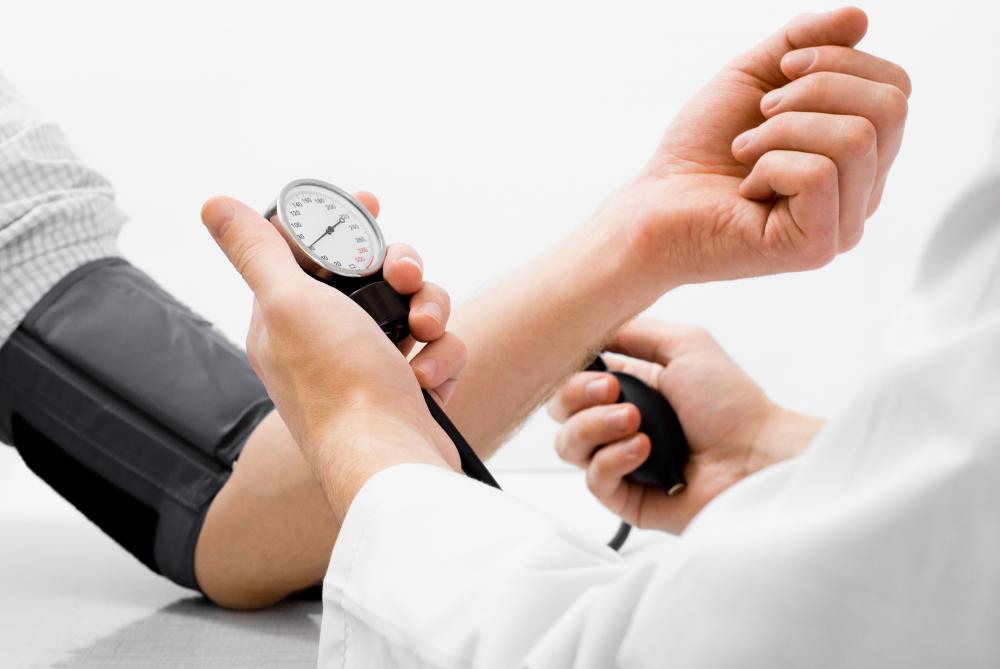
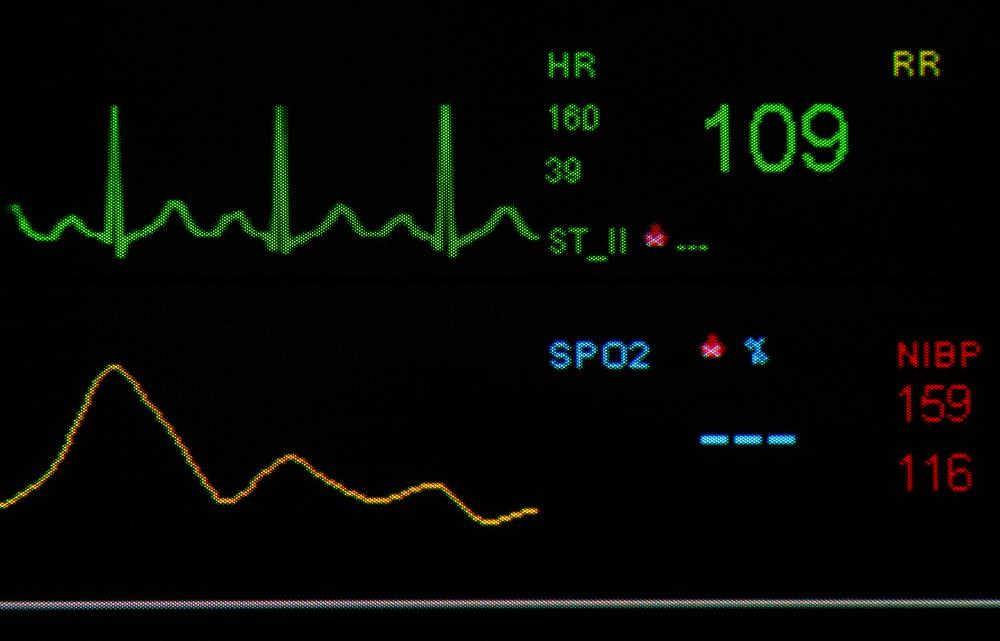
There is no direct connection between blood pressure and heart rate. In some cases, there can be a direct correlation between the two, and in other incidences, there can be an inverse relationship, but it is important to understand that the only effective way of determining blood pressure is through blood pressure testing. Blood pressure measurements are read as mm Hg, or millimeters of mercury. An example of this is 120/80 mm Hg. Heart rate is measured by beats per minute, such as 60 BPM.
Sometimes heart rate and blood pressure increase together, such as when exercising. This occurs because exercise leads to a natural increase in both blood pressure and heart rate. Both will return to normal levels after completing the workout session. Some medications can lead to an inverse relationship between heart rate and blood pressure. For example, medications that increase blood pressure can cause the heart rate to drop. This is an effect of the medication, and not an indicator that there is a relationship between heart rate and blood pressure.

It is possible for a relationship to exist between blood pressure and heart rate in some instances. For example, a person with high blood pressure, that has that condition under control, may develop an unrelated arrhythmia. This change in heart rate can affect blood pressure. Generally, however, the rhythm and rate that the heart beats is controlled by electrical impulses, and has no relationship to blood pressure.

As there is no way to link blood pressure and heart rate, it is important for individuals who have high blood pressure to regularly monitor their blood pressure. Measuring heart rate or pulse rate will not provide an accurate indicator of whether blood pressure is under control. It is possible to have normal blood pressure and an altered heart rate, or a normal heart rate and elevated blood pressure.

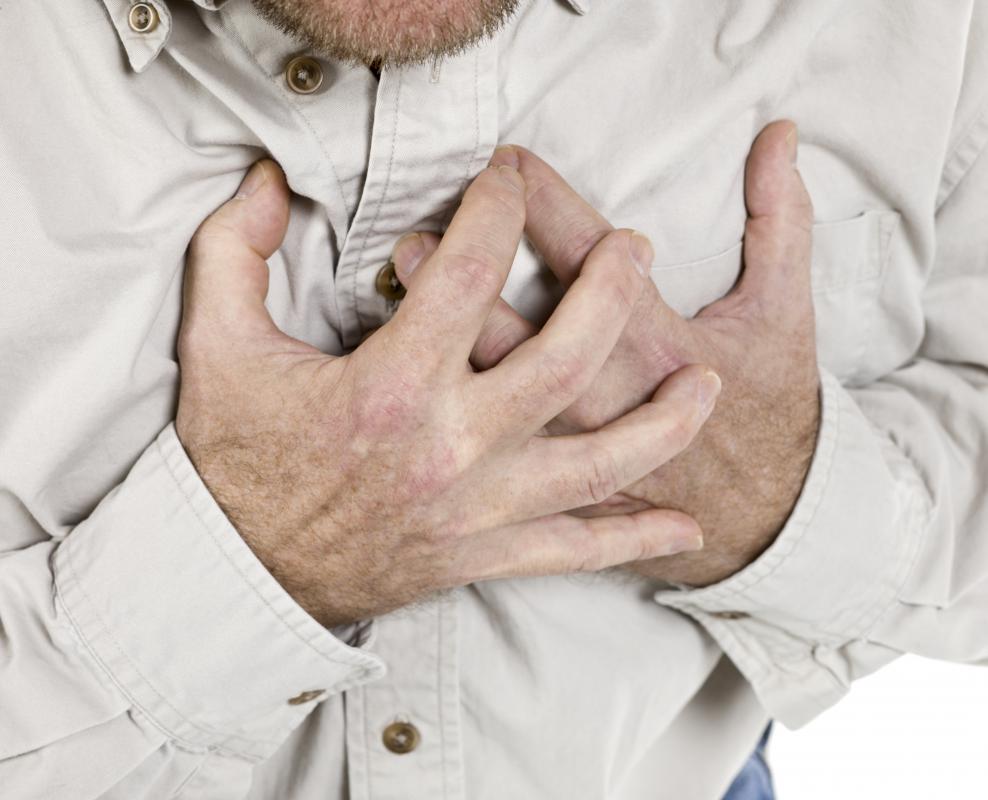
Symptoms of high blood pressure include shortness of breath, headache, chest pain, dizziness, blurred vision, nausea, and vomiting. Untreated, high blood pressure can lead to heart attacks, strokes, heart or kidney failure, and aneurysms. Symptoms of an irregular heart rate, or arrythmia, include shortness of breath, in particular while under stress or when performing physical activity, irregular pulse, heart palpitations, weakness, chest pain, lightheadedness, dizziness, fatigue, confusion, chest pain, and fainting. Arrythmia can lead to heart failure or strokes.
AS FEATURED ON:
AS FEATURED ON:


-
![There is no way to link blood pressure and heart rate.]() By: Andrei TsalkoThere is no way to link blood pressure and heart rate.
By: Andrei TsalkoThere is no way to link blood pressure and heart rate. -
![Untreated high blood pressure can lead to heart attacks.]() By: Dan KosmayerUntreated high blood pressure can lead to heart attacks.
By: Dan KosmayerUntreated high blood pressure can lead to heart attacks. -
![Heart rate is measured by beats per minute.]() By: praisaengHeart rate is measured by beats per minute.
By: praisaengHeart rate is measured by beats per minute. -
![Blood pressure is a measurement of the pressure created as the heart pumps blood through the veins and arteries of the body.]() By: RidoBlood pressure is a measurement of the pressure created as the heart pumps blood through the veins and arteries of the body.
By: RidoBlood pressure is a measurement of the pressure created as the heart pumps blood through the veins and arteries of the body. -
![Symptoms of high blood pressure can include shortness of breath.]() By: DURIS GuillaumeSymptoms of high blood pressure can include shortness of breath.
By: DURIS GuillaumeSymptoms of high blood pressure can include shortness of breath. -
![An individual suffering from an eating disorder may experience low blood pressure and an irregular heartbeat.]() By: Sylvie BouchardAn individual suffering from an eating disorder may experience low blood pressure and an irregular heartbeat.
By: Sylvie BouchardAn individual suffering from an eating disorder may experience low blood pressure and an irregular heartbeat. -
![Taking blood pressure medications before bed may cause better blood pressure control overall.]() By: Gabriel BlajTaking blood pressure medications before bed may cause better blood pressure control overall.
By: Gabriel BlajTaking blood pressure medications before bed may cause better blood pressure control overall. -
![Individuals who are overweight have a greater risk of developing high blood pressure.]() By: konami11Individuals who are overweight have a greater risk of developing high blood pressure.
By: konami11Individuals who are overweight have a greater risk of developing high blood pressure. -
![Generally, doctors recommend resting blood pressure levels to be below 120/80.]() By: dambusterGenerally, doctors recommend resting blood pressure levels to be below 120/80.
By: dambusterGenerally, doctors recommend resting blood pressure levels to be below 120/80.


Discussion Comments
Blood pressure and heart rate may not be directly connected as this article says, but it is important to remember that high blood pressure and heart disease can be related. And heart disease can be a factor in a change in your heart rate.
For a period we seemed to be putting a lot of stock in determining the perfect or normal blood pressures for men and women. This has led to a great profit for the companies that deal in blood pressure medicine, but I'm not sure it has done much for many of the people taking the drugs other than give them some unwanted side effects and taking money out of their pockets.
I went to the doctor once and my blood pressure readings were a little above the suggested levels and he wrote be a prescription for a blood pressure medication. I think he was just doing his job. After all, he was following the guidelines as they were presented to him. I took the medication for a year before a friend recommended I see his doctor, or least get a second opinion from some other doctor.
The doctor I was seeing at the time told me I would need to take the medication for the rest of my life. My friend's doctor, who is now my doctor, put me on a different diet and told me to get back into shape. He slowly reduced the blood pressure medication until I was totally off of it. My blood pressure is slightly higher than the "norm", but I do not have any other issues like increased heart rate, so I am doing great.
Post your comments